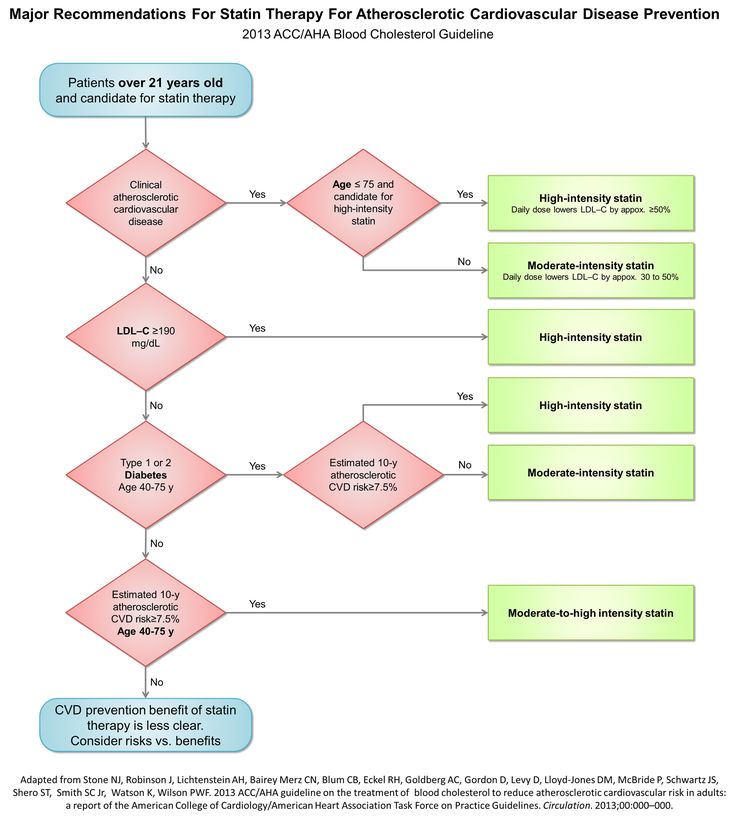
New Cholesterol Guidelines Highlight Importance of Earlier Screening and Treatment
Leading medical organizations, including the American College of Cardiology (ACC) and the American Heart Association (AHA), have released updated guidelines on managing dyslipidemia, a condition characterized by abnormal levels of cholesterol and other fats in the blood. These new recommendations aim to improve heart health by encouraging earlier cholesterol screening and more proactive treatment strategies.
Dyslipidemia is a major risk factor for cardiovascular diseases such as heart attacks and strokes. It involves imbalances in lipids like low-density lipoprotein (LDL) cholesterol, often referred to as “bad” cholesterol, and triglycerides. The updated guidelines, which supersede the 2018 AHA/ACC cholesterol management recommendations, provide clinicians with enhanced tools to assess and lower patients’ cardiovascular risks.
A significant change in the new guidelines is the adoption of the AHA PREVENT-ASCVD risk equations. These updated risk calculators help doctors more accurately estimate a patient’s likelihood of developing atherosclerotic cardiovascular disease (ASCVD) over the next 10 years. This improved risk assessment supports earlier identification of individuals who would benefit from lifestyle changes or cholesterol-lowering medications such as statins.
The guidelines also emphasize screening for cholesterol abnormalities at younger ages, particularly for those with additional risk factors including family history of heart disease, diabetes, or high blood pressure. Early detection allows for timely intervention, which may involve dietary modifications, increased physical activity, and, when necessary, pharmacological treatments to reduce harmful lipid levels and prevent the progression of cardiovascular disease.
Additionally, the updated recommendations underscore a personalized approach to care. They encourage healthcare providers to consider a patient’s overall risk profile, preferences, and potential benefits versus risks of therapy. This individualized strategy aims to optimize treatment outcomes and enhance patient engagement in managing their heart health.
The new cholesterol management guidelines mark a critical step forward in preventing cardiovascular disease by promoting earlier and more precise screening and treatment. For Ohio residents and the Arab-American community, who may face unique health challenges, these guidelines provide valuable direction for reducing the burden of heart disease through proactive cholesterol control. Adopting these evidence-based practices can help save lives and improve long-term health outcomes across diverse populations.