Most Frequently Asked Questions About Affiliate Marketing
Affiliate marketing has become one of the most popular ways for individuals and businesses to generate income online. Whether you’re a beginner exploring side hustles or a seasoned digital entrepreneur, understanding the fundamentals of affiliate marketing can help you capitalize on this growing industry. Here, we address some of the most frequently asked questions to guide you through the basics and help you get started on the right foot.
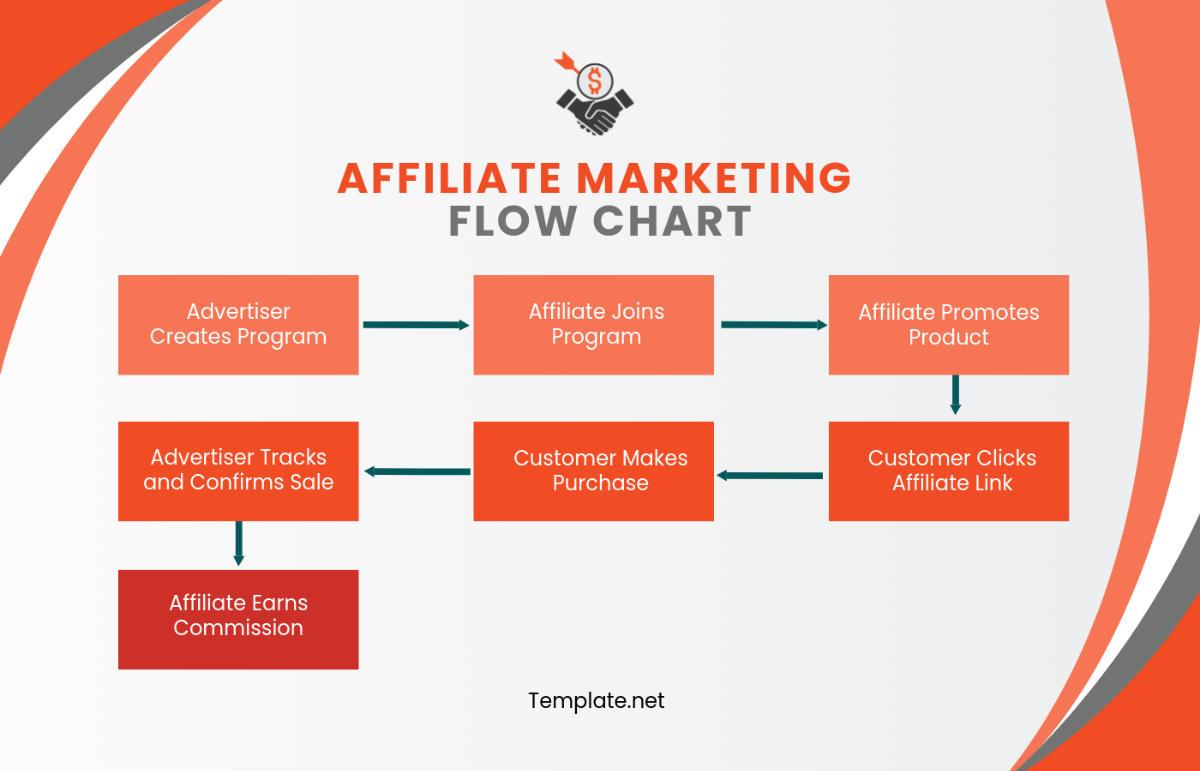
At its core, affiliate marketing involves promoting products or services offered by another company and earning a commission for every sale or lead generated through your referral. This performance-based model benefits both the merchant, who gains increased exposure and sales, and the affiliate, who earns passive income. Common affiliate platforms like Amazon Associates, ShareASale, and Commission Junction connect affiliates with numerous brands across various industries, making it easier to find products that match your niche or audience.
One of the top questions beginners ask is how to start affiliate marketing. The process typically begins with choosing a niche that aligns with your interests or expertise. This focus allows you to create targeted content that appeals to a specific audience. Next, you sign up for affiliate programs related to your niche and obtain unique tracking links. When you share these links through blogs, social media, email newsletters, or YouTube channels, you can earn commissions each time someone makes a purchase through your link.
Another common query revolves around the amount of money one can make through affiliate marketing. Earnings vary widely depending on factors such as the affiliate’s reach, content quality, and the commission rates offered by merchants. Some affiliates earn a modest supplemental income, while others build full-time careers generating six- or even seven-figure revenues annually. Success typically requires consistent effort, strategic marketing, and building trust with your audience over time.
New affiliates also often wonder about the legal and ethical considerations involved. Transparency is key—disclosing affiliate relationships is not only ethical but also required by regulatory bodies like the Federal Trade Commission (FTC). Proper disclosure ensures your audience knows when you might earn a commission from recommended products. Additionally, choosing reputable affiliate programs and promoting only products you genuinely believe in can help maintain credibility and foster long-term relationships with your followers.
In summary, affiliate marketing offers a flexible and accessible opportunity to monetize your online presence. By understanding the essentials—from how it works and how to get started, to potential earnings and ethical practices—you can make informed decisions and build a sustainable affiliate business. Whether you’re in Ohio, the Arab-American community, or anywhere else, tapping into affiliate marketing can be a smart way to leverage your digital skills and interests into meaningful income.