Slovenians Face Critical Choice in Tight Election Between Liberals and Right-Wing Populists
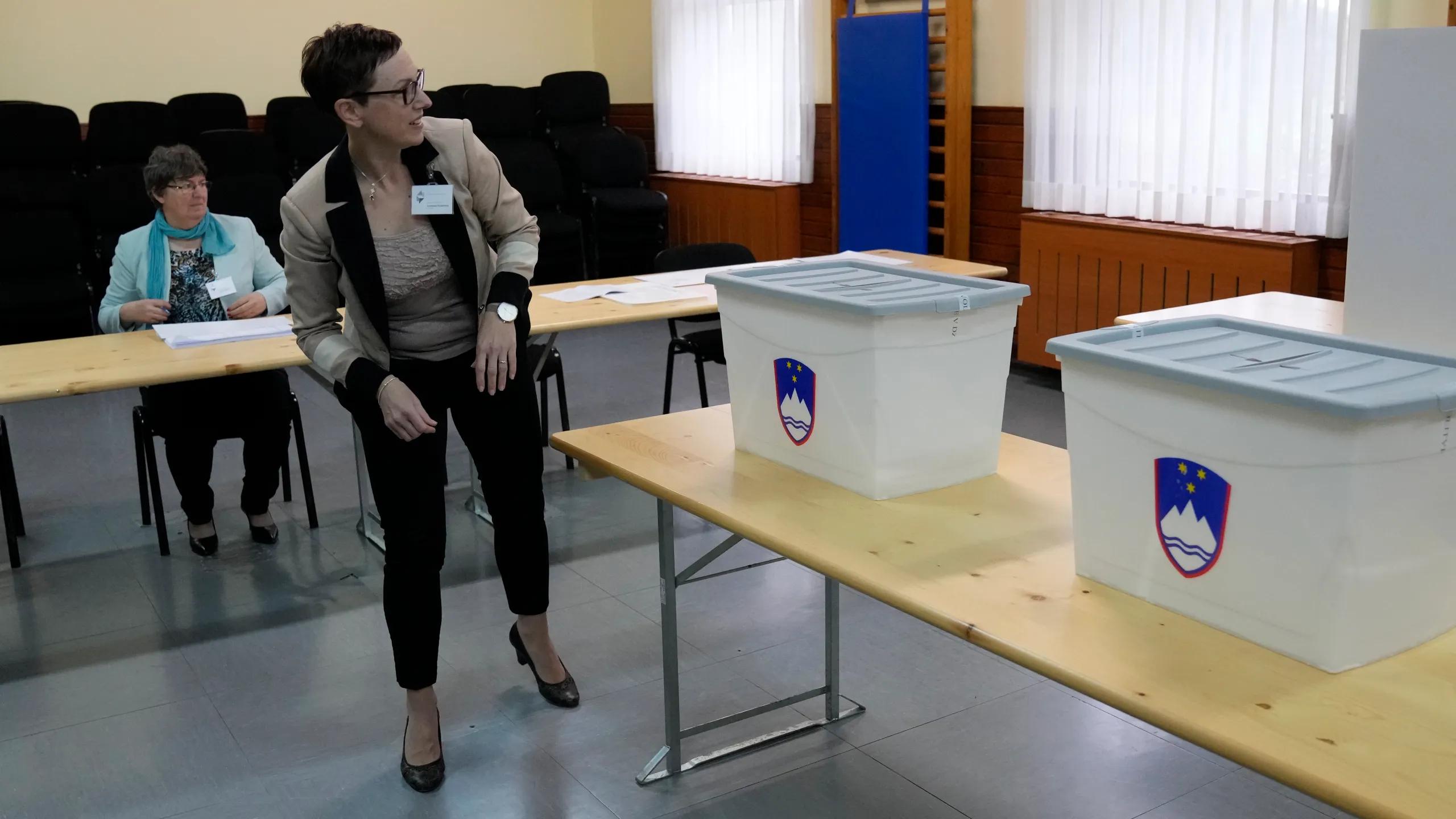
As Slovenia prepares for a pivotal parliamentary election, voters are faced with a competitive choice between the incumbent liberal Prime Minister Robert Golob and the right-wing populist leader Janez Janša. Scheduled for Sunday, the election is anticipated to be closely contested, with neither candidate expected to secure an outright majority.
Recent opinion polls suggest that both Golob’s Freedom Movement (GS) and Janša’s Slovenian Democratic Party (SDS) are neck-and-neck, setting the stage for a dramatic electoral showdown. The campaign has been notably charged, culminating in a series of allegations around foreign interference and corruption that have emerged in the final days leading up to the vote.
Prime Minister Golob, who assumed office less than a year ago, represents a progressive agenda, appealing to voters with promises of greater social equity, environmental sustainability, and transparency in government. His party has garnered support from those disillusioned with the previous administration’s handling of pressing issues, including the COVID-19 pandemic and economic recovery.
On the other hand, Janez Janša, a seasoned political figure and former Prime Minister, has rallied his base by embracing nationalist rhetoric and positioning himself as a defender of Slovenian sovereignty. His party has drawn parallels with populist movements seen globally, including those associated with former U.S. President Donald Trump, emphasizing a hardline stance on immigration and a focus on traditional values.
The election’s dynamics have shifted dramatically in recent weeks, largely due to controversies involving alleged foreign meddling in Slovenia’s domestic affairs. Both candidates have exchanged accusations, complicating the already narrow path to victory. Analysts suggest that this environment of distrust may lead to increased voter turnout as citizens express their concerns regarding national integrity and governance.
In the event of a fragmented parliamentary outcome, smaller parties could play a decisive role in determining the next government, potentially leading to coalition negotiations that could shape Slovenia’s political landscape for years to come. Voter engagement in this election reflects broader trends in Europe, where citizen sentiment towards established political parties is increasingly volatile.
As the election day approaches, both Golob and Janša are mobilizing their supporters to ensure a strong turnout. The stakes are high, not only for the candidates but for the future direction of Slovenia, as voters weigh their options amid a backdrop of economic recovery efforts, social issues, and international relations. The outcome of this election could signal a significant shift in Slovenian politics, making it a critical moment for the nation and its citizens.