Trump Issues Stark Warning to Iran Over Strait of Hormuz Blockade
In a significant escalation of tensions, U.S. President Donald Trump has threatened to launch strikes on Iran’s power plants if the country does not fully reopen the critical Strait of Hormuz within 48 hours. This stern warning came just a day after Trump indicated a desire to de-escalate military involvement in the region, raising eyebrows among international observers and analysts.
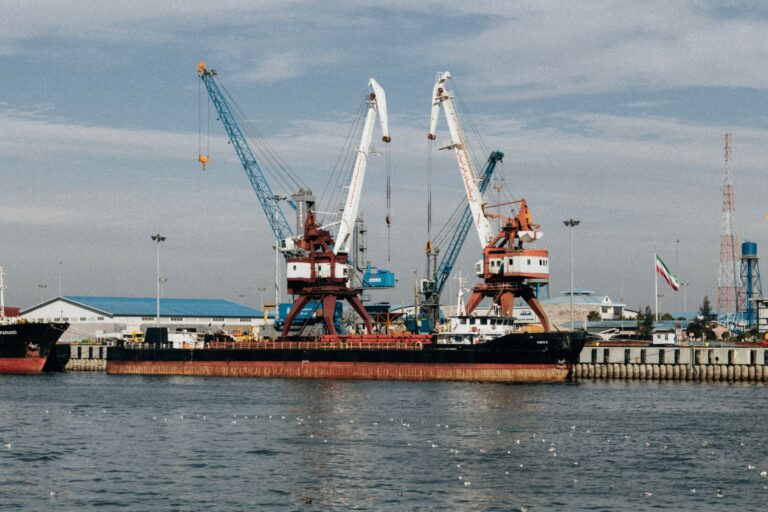
The Strait of Hormuz serves as a vital corridor for global oil shipments, with a substantial portion of the world’s oil passing through its waters. Iran has exerted control over this strategic passage, leading to heightened concerns about maritime security and the potential for conflict. Trump’s remarks signal a shift in U.S. policy, moving from diplomatic engagement to a more aggressive posture.
While delivering his ultimatum, Trump underscored the importance of free navigation in international waters and reiterated that any disruption to this flow would be met with severe consequences. Analysts suggest that this rhetoric is aimed at reinforcing U.S. commitments to its allies in the Gulf region, particularly amid fears that Iranian actions could destabilize economies reliant on oil exports.
The timing of Trump’s threat is particularly notable, as it follows recent discussions regarding the potential withdrawal of U.S. troops from the Middle East. Observers are questioning whether this aggressive stance is an effort to project strength or if it reflects internal divisions within the U.S. administration regarding foreign policy direction.
Iran has yet to respond formally to Trump’s ultimatum, but officials in Tehran have historically expressed a willingness to retaliate against perceived threats to their sovereignty. The Iranian government has previously stated that any military action could lead to a broader regional conflict, emphasizing the delicate balance of power in the Middle East.
This latest development comes amid ongoing tensions between the U.S. and Iran, which have escalated since the U.S. withdrawal from the nuclear agreement in 2018. Sanctions imposed by the U.S. have severely impacted Iran’s economy, leading to increased hostility and military posturing from both sides.
As the situation evolves, the international community is closely monitoring the developments in the Strait of Hormuz. The potential for military action raises concerns about the implications for global oil markets and regional stability. Diplomats and analysts are advocating for renewed dialogue to address the underlying issues and prevent further escalation.
The coming days will be critical in determining whether diplomatic efforts can prevail over military threats, as both sides navigate the complex landscape of Middle Eastern geopolitics.