Middle East War: Global Economic Fallout
The ongoing conflict in the Middle East is beginning to send ripples through the global economy, with experts warning that a prolonged war could have far-reaching consequences. Patrick Pouyanne, the CEO of TotalEnergies, a major French oil company, expressed concerns during a recent interview with Chinese state broadcaster CGTN. He stated that if the conflict continues for more than six months, it could pose severe risks to economies around the world.
Pouyanne indicated that the immediate impact of a shorter conflict, lasting around three to four months, could be managed due to existing oil inventories. However, the scenario changes dramatically if the war extends beyond this period. The CEO underscored the interconnectedness of global markets, emphasizing that prolonged instability in the Middle East would lead to widespread economic damage. This sentiment reflects a broader anxiety among economists and industry leaders who are closely monitoring developments in the region.
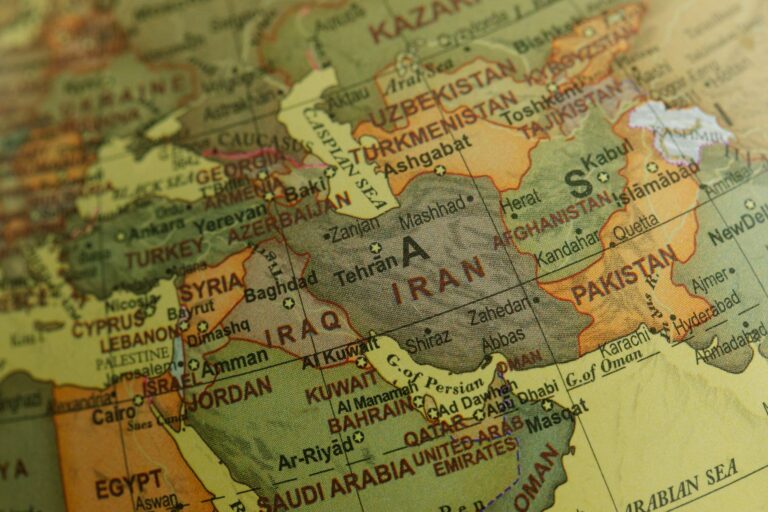
The Middle East is a critical hub for oil production, and any disruption in supply can lead to significant price fluctuations. Recent geopolitical tensions have already caused a spike in oil prices, which could further escalate if the conflict drags on. This situation has prompted discussions among policymakers and businesses regarding potential strategies to mitigate the economic fallout.
Analysts are particularly concerned about the impact of rising energy costs on inflation rates worldwide. As consumers feel the pinch at the gas pump, the ripple effect could extend to various sectors, including transportation and manufacturing, which rely heavily on stable energy prices. The potential for inflationary pressures to rise has led many to speculate about the future of economic growth in affected regions.
In addition to oil markets, the conflict may also influence trade relationships and supply chains, particularly in commodities that are critical to the global economy. Countries that depend on imports from the Middle East may find themselves seeking alternative sources, which could lead to increased costs and logistical challenges.
As the situation evolves, businesses and consumers alike are advised to stay informed about the developments in the region. While the hope remains that a swift resolution can be achieved, the potential for a drawn-out conflict necessitates careful consideration of the economic implications. The global community is watching closely, as the outcomes of this conflict could shape economic landscapes for years to come, impacting not just the Middle East but economies worldwide.
In this delicate climate, the need for diplomatic efforts and conflict resolution has never been more critical, as the stakes continue to rise for nations and individuals alike.