Iranian Hardliners Intensify Demands for Nuclear Development Amid Rising Tensions
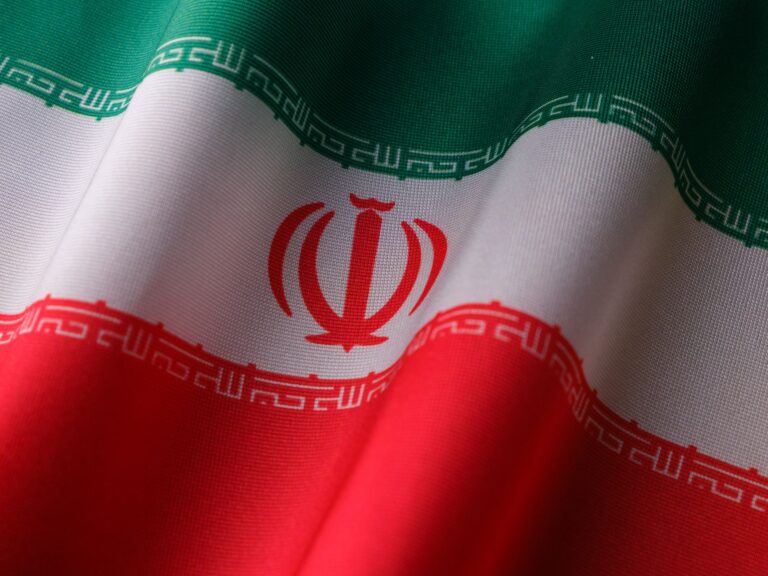
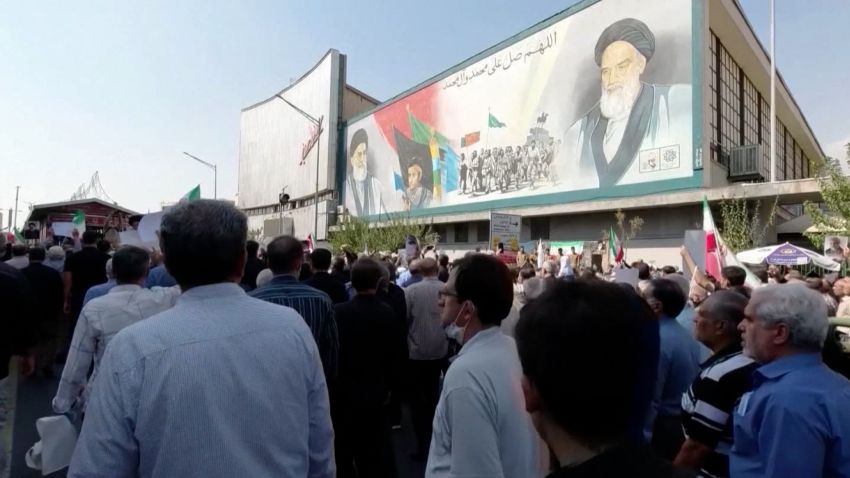
Recent reports indicate a significant shift among Iranian hardliners, who are increasingly vocal about the need for Iran to pursue nuclear weapons amidst heightened tensions with the United States and Israel. This shift has become more pronounced following the death of longtime Supreme Leader Ayatollah Ali Khamenei on February 28, which has left a power vacuum that the Islamic Revolutionary Guard Corps (IRGC) is now filling.
Sources within Iran suggest that the calls for a nuclear arsenal have become more pronounced and public, marking a crucial moment in the nation’s ongoing debate about its nuclear ambitions. The hardliners argue that acquiring a nuclear bomb would serve as a deterrent against perceived threats from adversaries, particularly in light of what they describe as escalating military assaults by the U.S. and Israel.
The IRGC, which has historically played a pivotal role in Iranian politics and military strategy, is leveraging its influence to promote this hardline stance. As the dominant force in Iran’s political landscape following Khamenei’s death, the IRGC is advocating for a more aggressive approach to Iran’s nuclear program. This shift reflects a broader sentiment among Iranian hardliners who believe that developing nuclear capabilities is essential for the country’s sovereignty and security.
Analysts suggest that the hardliners’ push for nuclear weapons is not merely a reaction to external threats but also a strategic maneuver to consolidate power internally. By promoting the idea of a nuclear capability, they aim to unite various factions within the government and bolster their position against moderate elements that may favor diplomatic engagement with the West.
The renewed emphasis on nuclear development coincides with an environment of increasing isolation for Iran on the international stage. The country has faced a series of sanctions that have strained its economy, and hardliners are framing nuclear weapons as a necessary solution to counteract foreign pressures. They argue that possessing a nuclear arsenal would not only deter military action from adversaries but also enhance Iran’s bargaining power in any future negotiations.
Despite the hardliners’ growing influence, there remains a faction within Iran that advocates for a more diplomatic approach to international relations. These moderates argue that pursuing nuclear weapons could lead to further isolation and conflict, potentially destabilizing the region even more.
As Iran grapples with these internal divisions, the international community is closely monitoring the situation. The potential for a nuclear-armed Iran raises significant concerns for regional security and global diplomatic efforts aimed at preventing nuclear proliferation. The outcome of this intensified debate among Iranian factions will likely have far-reaching implications for both Iran and its neighbors in the Middle East.