Lebanon Reports Israeli Strikes Result in Five Casualties as Hezbollah Launches New Attacks
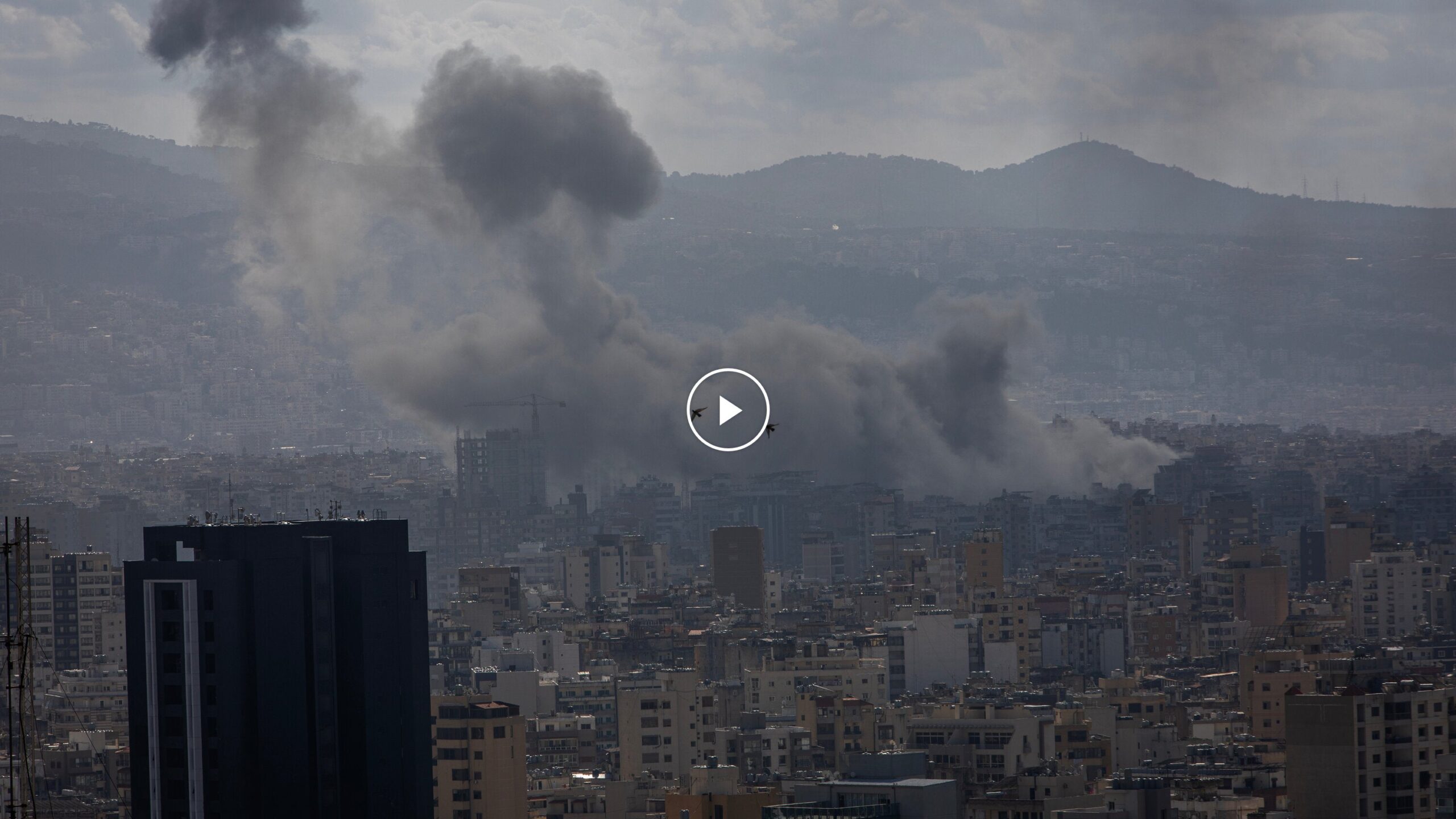
Tensions escalated in the ongoing conflict between Israel and Hezbollah on Thursday, with Lebanon reporting that Israeli airstrikes resulted in the deaths of five individuals. This latest surge in violence has prompted the Lebanese government to announce its intention to approach the United Nations Security Council to address the issue of Israeli military actions within its borders.
The situation, already fraught with complexity, has been further complicated by internal divisions within the Lebanese government. Ministers from Hezbollah, along with their political ally Amal, chose to boycott a recent cabinet meeting. Their absence was a direct response to the government’s controversial decision to declare the Iranian ambassador to Lebanon persona non grata. This diplomatic move has drawn criticism from Hezbollah supporters, who view it as an affront to their alliance with Iran.
The backdrop to these developments is marked by a series of skirmishes and military confrontations along the Israel-Lebanon border. Hezbollah has claimed responsibility for launching new attacks against Israeli positions, heightening concerns about a broader escalation that could involve more significant military engagement. The group, which has received substantial backing from Iran, has vowed to retaliate against Israeli actions, framing its response as a defense of Lebanese sovereignty.
Beyond the immediate military confrontations, the political landscape in Lebanon is increasingly polarized. Demonstrators gathered outside the Iranian embassy in Beirut to express their support for Iran, signaling the deep-rooted alliances that shape Lebanon’s political dynamics. The protests reflect a segment of the population that views Iran as a crucial ally in the face of perceived Israeli aggression.
As Lebanon prepares to escalate its diplomatic efforts at the international level, the potential for a drawn-out conflict remains a pressing concern. The Lebanese government’s complaints to the UN Security Council could lead to an international response, but there are uncertainties about how effective such measures will be in curbing hostilities.
The situation is further complicated by the humanitarian implications of the conflict, as civilians in both Lebanon and Israel face the consequences of ongoing military actions. As the conflict unfolds, the need for a diplomatic resolution becomes increasingly urgent, with many observers calling for dialogue amidst the rising tensions.
As both sides brace for potential further escalations, the ramifications of this conflict extend beyond the immediate region, raising questions about the stability of Lebanon and the broader Middle East. The coming days will likely prove crucial in determining the trajectory of this volatile situation.