U.S. Military Fires Over 850 Tomahawk Missiles in Ongoing Conflict with Iran
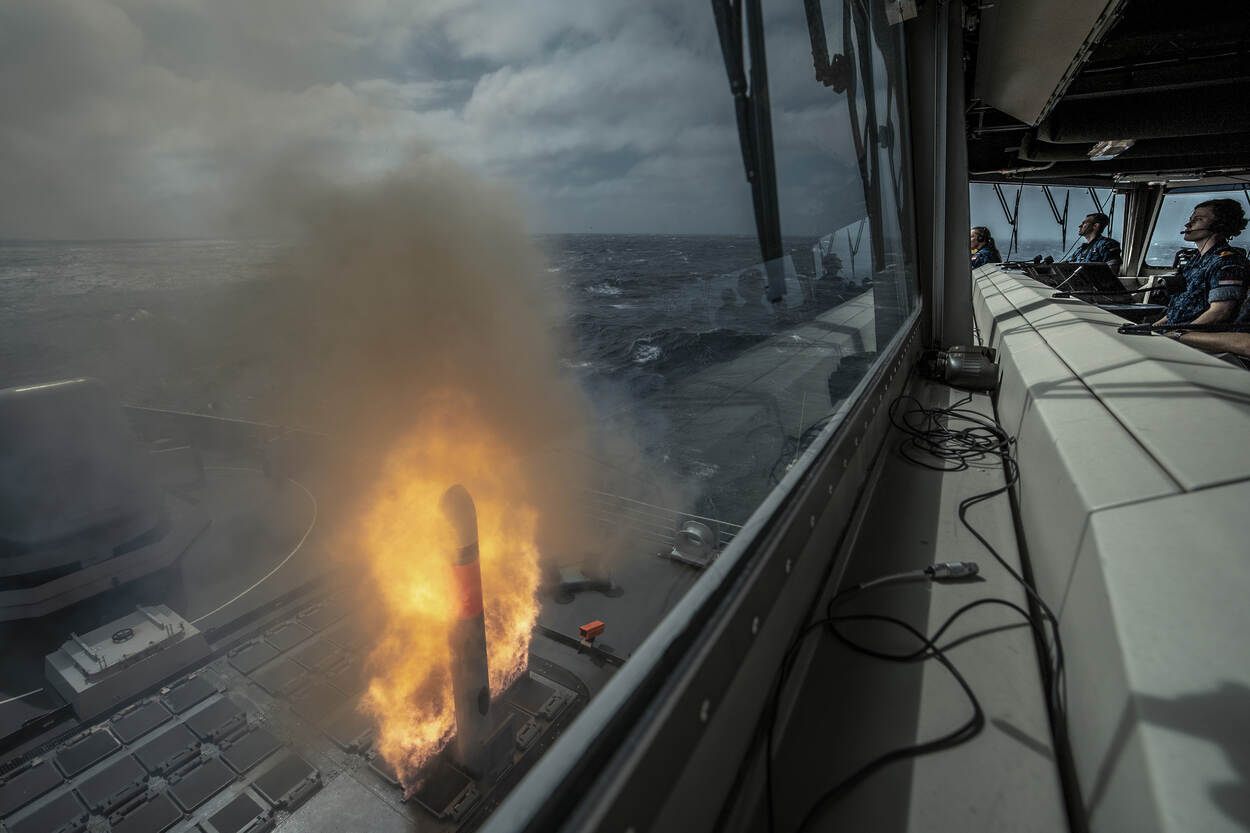
In a significant escalation of military engagement, the United States has reportedly launched more than 850 Tomahawk cruise missiles against Iranian targets in a month-long conflict, raising concerns among Pentagon officials regarding the rapid depletion of these strategic weapons. This alarming rate of missile use has initiated discussions within the Department of Defense about the necessity of increasing production to replenish stocks.
Sources familiar with the situation revealed to the Washington Post that the U.S. military’s reliance on these precision-guided missiles has sparked internal debates about logistics and munitions supply. The Tomahawk, known for its accuracy and long-range capabilities, has been a key component of U.S. military strategy in various conflicts. However, the current operational tempo has led to worries that the extensive use of these missiles could impact future military readiness and response capabilities.
The conflict, which has drawn international attention and concern, continues to develop with ongoing engagements that have prompted the U.S. to utilize its advanced military technology extensively. While the exact targets and operational objectives remain classified, the high volume of missile strikes indicates a concerted effort to achieve specific strategic goals in the region.
As discussions unfold within the Pentagon regarding the potential need for increased production, some officials express apprehension about the sustainability of such military operations. The rapid expenditure of Tomahawks in a short timeframe may not only strain resources but also highlight the complexities of long-term military engagements.
The U.S. Department of Defense and the White House have not yet provided official comments or clarifications regarding the report. As the situation evolves, it is anticipated that further details will emerge, shedding light on the broader implications of this military action and its impact on U.S. foreign policy in the Middle East.
The ongoing conflict raises significant questions about the future of U.S.-Iran relations, particularly in the context of previous diplomatic efforts and negotiations centered around Iran’s nuclear program. The deployment of such a substantial number of missiles signifies a stark departure from diplomatic dialogue and underscores the potential for prolonged military confrontation.
As the conflict continues, the implications for regional stability remain a critical concern for policymakers, analysts, and communities both in the U.S. and abroad. The situation warrants close monitoring, as stakeholders grapple with the ramifications of military actions on international relations and security dynamics in the region.