G7 Ministers Call for Cessation of Civilian Attacks in Middle East Conflict
In a significant diplomatic move, foreign ministers from the Group of Seven (G7) nations have expressed their deep concern regarding the ongoing violence in the Middle East. During a meeting on Friday, they issued a joint statement urging an immediate halt to attacks on civilians and civilian infrastructure amidst the escalating conflict.
The G7, which includes Canada, France, Germany, Italy, Japan, the United Kingdom, and the United States, highlighted the urgent need for all parties involved in the conflict to prioritize the protection of civilian lives. The statement emphasized that indiscriminate attacks not only exacerbate the humanitarian crisis but also undermine efforts towards achieving lasting peace in the region.
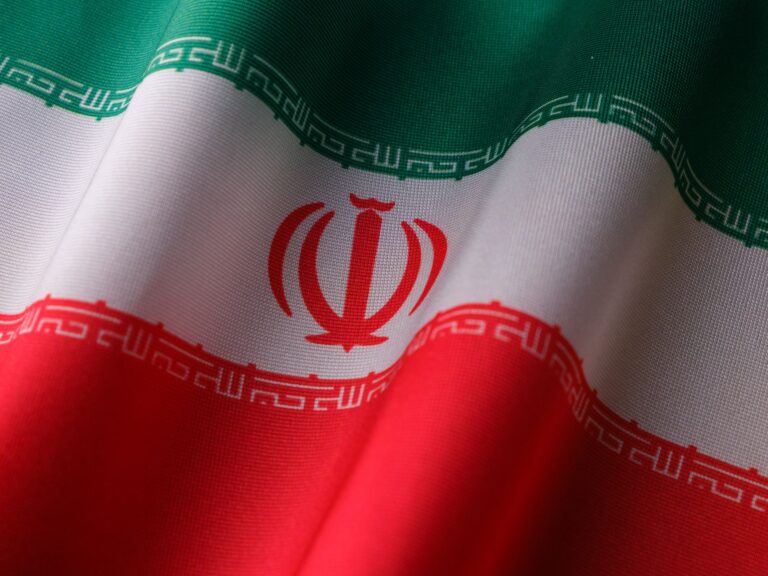
In addition to addressing the violence, the G7 ministers called upon Iran to restore freedom of navigation in the strategically vital Strait of Hormuz. This waterway is crucial for global oil shipments, and the ministers underscored the importance of ensuring safe passage for commercial vessels. The call reflects broader concerns about regional stability and the potential impact of Iranian actions on international shipping routes.
The humanitarian situation in the Middle East has reached alarming levels, with reports of significant civilian casualties and widespread destruction of infrastructure. The G7 ministers reaffirmed their commitment to supporting humanitarian efforts and urged all nations to facilitate access for aid organizations striving to assist those affected by the conflict.
The joint statement from the G7 serves as a reminder of the international community’s role in addressing conflicts that have far-reaching consequences. The ministers emphasized that a collaborative approach is essential to mitigate the ongoing violence and to restore peace and security in the region. They called for renewed dialogue among all parties involved, emphasizing that diplomatic solutions are crucial for a sustainable resolution.
As the situation continues to evolve, the G7 nations expressed their readiness to work with regional partners and other stakeholders to promote stability and peace. The collective voice of these influential countries aims to foster a climate of cooperation and understanding in a region beset by decades of conflict.
The call for an end to violence against civilians resonates particularly with Arab-American communities, who are often affected by the ramifications of these conflicts. The G7’s emphasis on civilian protection underscores a shared commitment to human rights and the importance of safeguarding vulnerable populations during times of war.
As the world watches the developments in the Middle East, the G7’s statement serves as a hopeful reminder that diplomatic efforts can pave the way for a more peaceful future.