Questions Over Israel’s Interceptor Stockpiles as Mideast War Drags On
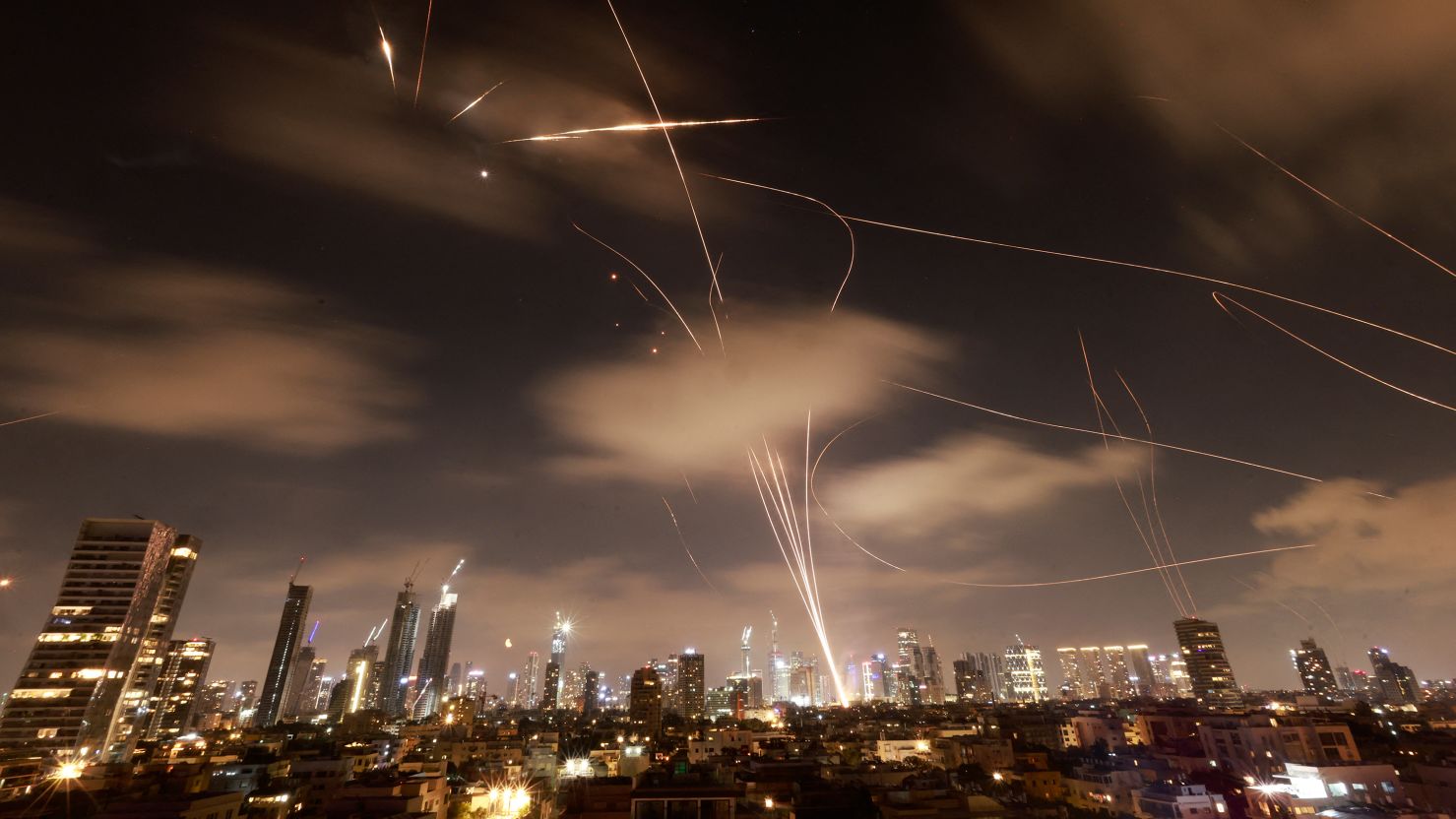
As the conflict in the Middle East extends into its second month, concerns are rising regarding the sustainability of Israel’s advanced air defense systems, particularly in their ongoing confrontation with Iranian forces. The situation has prompted scrutiny of the nation’s stockpiles of interceptors, which are crucial for neutralizing threats from missiles and rockets launched by Iran and Hezbollah.
Israeli military officials have publicly dismissed allegations that the country is experiencing a shortage of interceptors, asserting that they possess sufficient resources to defend against the barrage of projectiles targeting its territory. However, this assurance has not quelled the apprehensions voiced by defense analysts and military experts who are closely monitoring the situation.
The conflict, marked by a continuous exchange of fire, has raised questions about the resilience of Israel’s military capabilities. Analysts suggest that the prolonged nature of the war has led to a significant depletion of allied resources, particularly long-range interceptors, which play a critical role in shielding the nation from aerial threats. The effectiveness of Israel’s air defense systems, renowned for their technological sophistication, is now under examination as the demands of the war escalate.
The Israeli air defense network, which includes the Iron Dome and David’s Sling systems, was initially designed to intercept a variety of aerial threats. Nonetheless, the intense operational tempo of the current conflict is testing these systems to their limits. The need for constant readiness against an array of missiles and rockets has raised concerns about whether the stockpiles can be sustained over an extended period.
Furthermore, the ongoing engagement has implications not just for Israel, but for its allies who have historically supported its defense capabilities. As the conflict continues, the capacity of partner nations to provide additional interceptors or support is being scrutinized, with some analysts indicating that allied resources may also be stretched thin.
In this context, Israel’s military strategy may need to evolve to adapt to the realities of prolonged warfare. Discussions around alternative defense strategies, including the potential development of new technologies or procurement of additional interceptors, are likely to gain traction as the conflict drags on.
While the Israeli government remains confident in its defense capabilities, the situation underscores the complexities and challenges faced by nations engaged in extended military operations. As the conflict unfolds, the need for transparency and strategic foresight in managing defense resources will be critical for maintaining security in the region. The implications of these developments extend beyond military logistics, affecting diplomatic relations and regional stability in the Middle East.