Philippines and China Reinitiate Discussions on South China Sea and Energy Cooperation
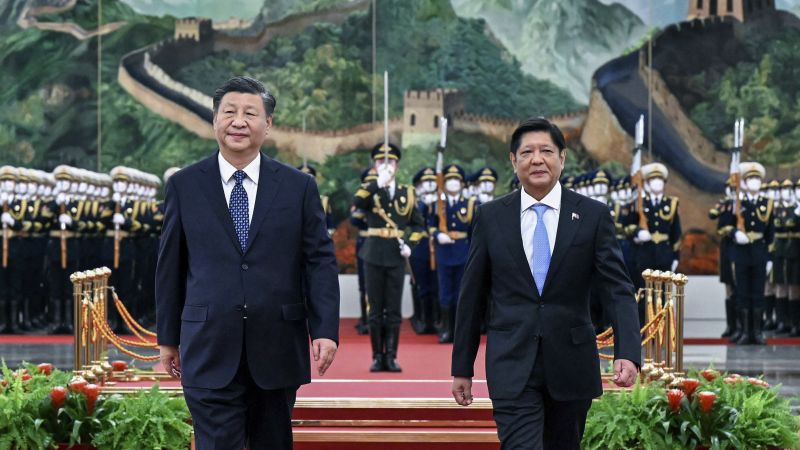
High-level discussions between the Philippines and China have recommenced, focusing on the contentious South China Sea and potential energy partnerships. These talks, which are part of a bilateral consultation mechanism established in 2017, mark the 11th round of negotiations and are the first since January 2025.
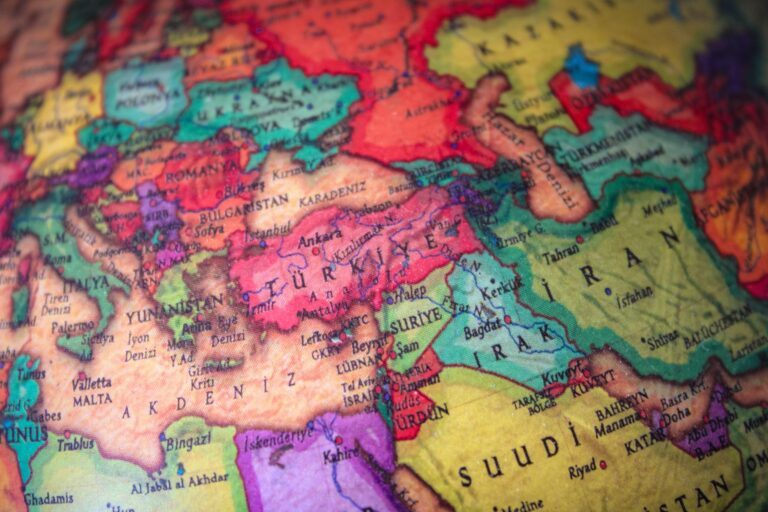
The Philippine Department of Foreign Affairs announced that this round of discussions is particularly timely, given the current global challenges in energy supply and fertilizer availability, which have been exacerbated by ongoing conflicts in the Middle East. The focus on energy security comes as countries worldwide grapple with fluctuating markets and the need for stable resource management.
Both nations aim to explore avenues for collaboration in oil and gas, particularly within the South China Sea—a region that has long been a source of tension due to overlapping territorial claims. The Filipino government has expressed a desire to leverage natural resources in these disputed waters while ensuring that any agreements are beneficial to national interests and regional stability.
The discussions also highlight broader implications for energy security in Southeast Asia. As countries in the region face growing energy demands and supply chain disruptions, partnerships among neighboring nations become increasingly critical. The Philippines, in particular, is looking to diversify its energy sources and strengthen its domestic supply chains.
In addition to energy issues, the talks are expected to address matters related to fertilizer supplies, which are crucial for agricultural productivity. The ongoing geopolitical tensions and conflicts have led to significant disruptions in fertilizer markets, prompting both nations to consider collaborative approaches to ensure food security.
The resumption of these talks reflects a willingness from both sides to engage in dialogue amid complex geopolitical landscapes. It is also indicative of a broader trend among nations in the region to pursue cooperative strategies that can lead to mutual benefits, especially in sectors vital to their economic stability.
As the discussions progress, stakeholders from various sectors, including energy, agriculture, and trade, will be closely monitoring the outcomes. The hope is that through diplomatic engagement, the Philippines and China can find common ground that not only addresses immediate challenges but also lays the groundwork for a more stable and cooperative regional environment in the future.