Pakistan Prepares for Peace Talks Amid Rising Tensions Between Iran and the U.S.
ISLAMABAD/TEL AVIV – In a significant diplomatic move, Pakistan is set to facilitate negotiations aimed at resolving the ongoing tensions surrounding Iran. This announcement comes as Tehran has voiced concerns about potential military actions from the United States, suggesting that Washington may be preparing for a ground assault in the region.
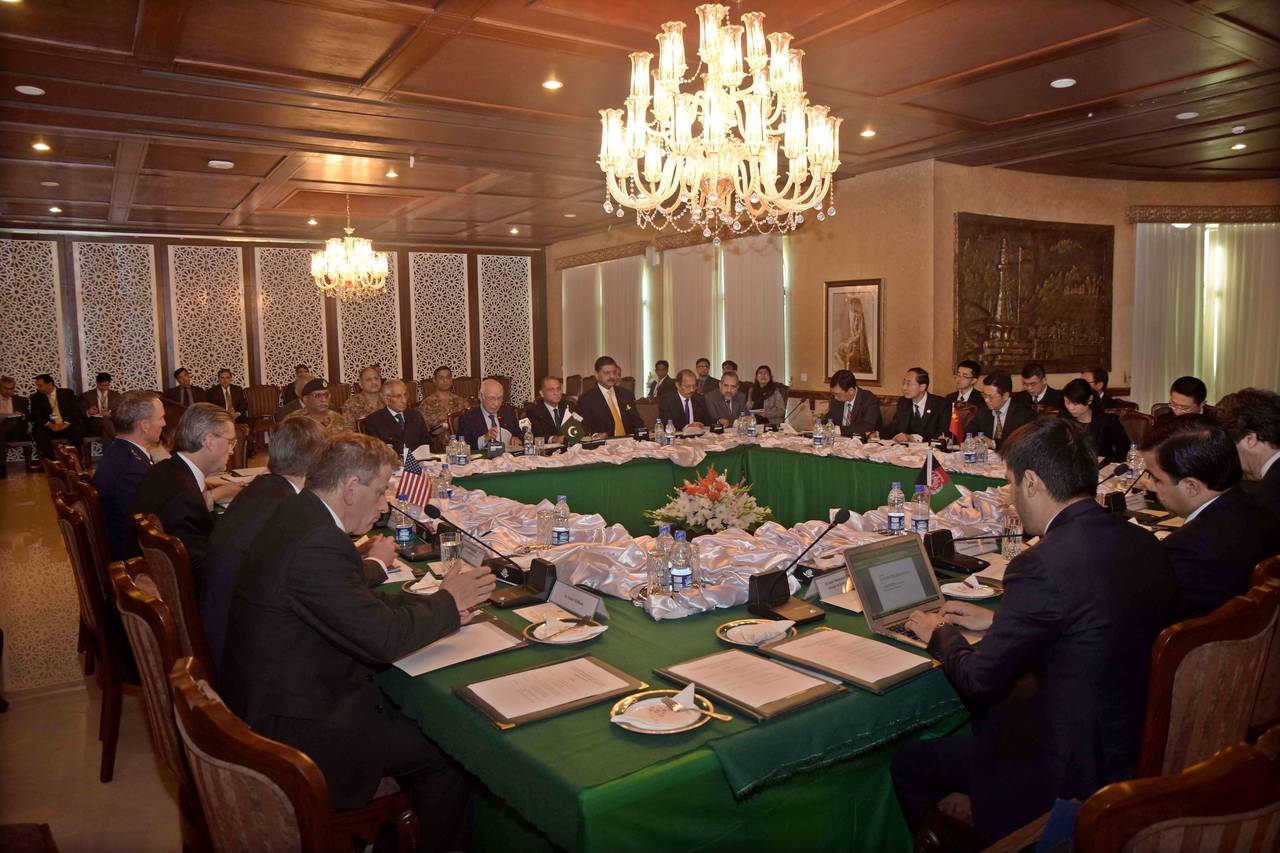
During a recent meeting involving foreign ministers from various countries in the region, Pakistan’s Foreign Minister Ishaq Dar emphasized the urgency of establishing a framework for “meaningful talks” that could lead to a sustainable resolution of the conflict. He indicated that discussions focused on identifying pathways to achieve a swift and lasting peace, as well as the possibility of initiating U.S.-Iran dialogues in Islamabad.
The backdrop to these discussions is a complex geopolitical landscape characterized by heightened animosities between Iran and the U.S. Following a series of confrontations, Tehran has accused Washington of escalating tensions, asserting that the U.S. is preparing for military action rather than engaging in constructive negotiations. Iran’s government has been vocal about its apprehensions regarding foreign interventions, which they believe could exacerbate the already fragile situation in the region.
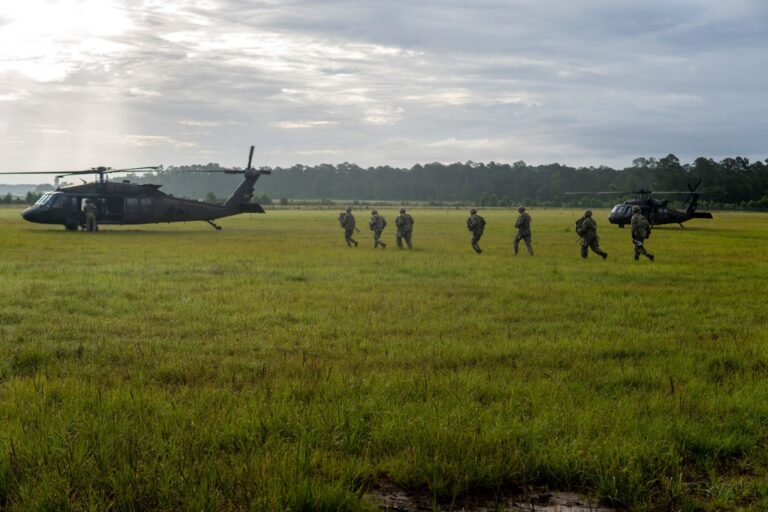
In response to these allegations, the United States has maintained that its military presence in the area is primarily focused on ensuring stability and security. U.S. officials have expressed a willingness to engage diplomatically, but tensions remain high, complicating the path to peace. The potential for a ground assault, as suggested by Iranian officials, raises fears of a direct confrontation that could have widespread ramifications across the Middle East.
Pakistan, which has historically played a mediating role in regional conflicts, is now positioning itself as a key player in these peace efforts. The nation is keen on fostering dialogue and cooperation among neighboring countries, particularly as it relates to the stability of the broader South Asian region. Dar’s comments reflect Pakistan’s commitment to not only facilitating discussions but also advocating for a peaceful resolution that respects the sovereignty of all involved parties.
The upcoming peace talks in Islamabad hold the promise of addressing the underlying issues contributing to the unrest and may pave the way for a more collaborative approach to regional security. As the situation continues to unfold, the international community is closely monitoring developments, recognizing the potential impact on both regional and global stability.
As negotiations approach, the hope remains that constructive dialogue can overcome the current tensions, leading to a de-escalation of hostilities and a renewed focus on lasting peace. The stakes are high, and the outcome of these discussions could significantly influence the future dynamics of the Middle East and its relations with the rest of the world.