Trump Calls for Action in the Strait of Hormuz Amid Rising Tensions
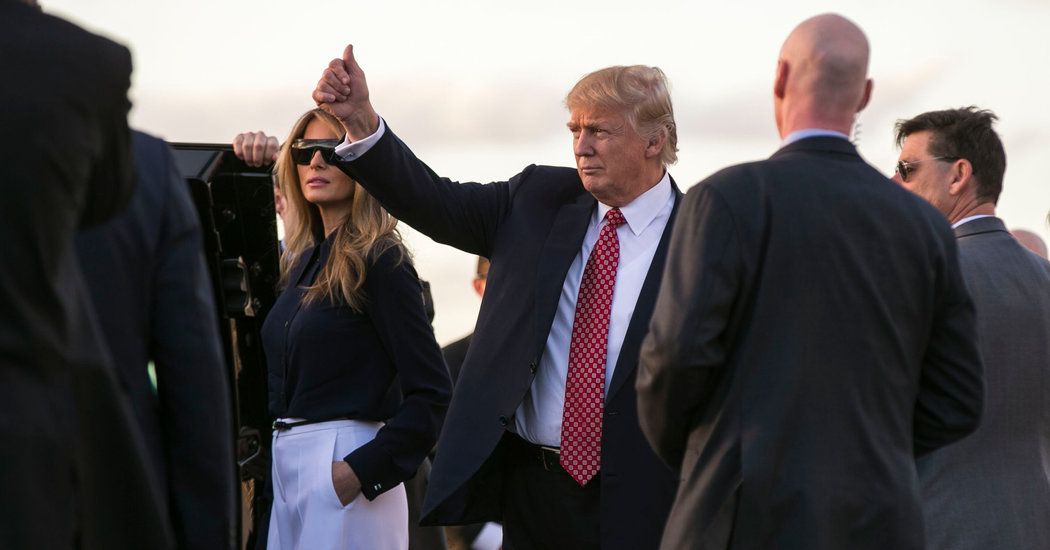
In a recent statement, U.S. President Donald Trump made headlines by encouraging nations that have not supported the United States in its military actions against Iran to take a more assertive stance in the Strait of Hormuz. During a press conference, Trump suggested that these countries should consider purchasing American oil and “just take” their fuel supplies from the strategically vital waterway, which serves as a crucial conduit for global oil shipments.
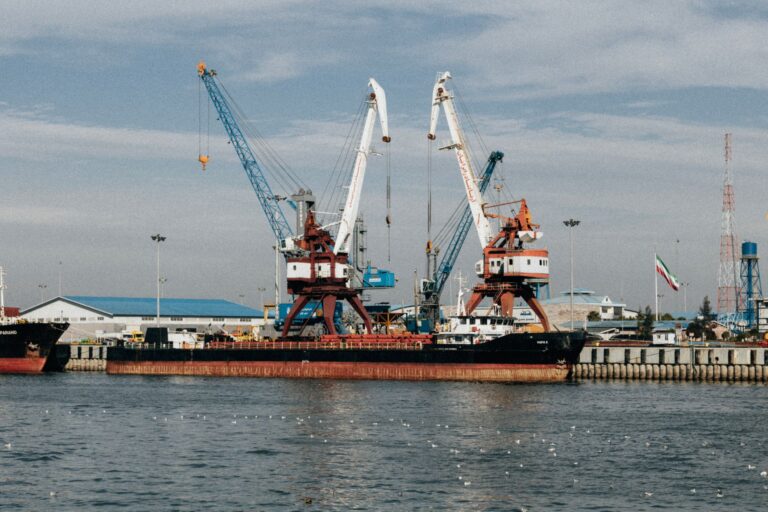
The remarks come at a time of heightened tensions in the region, particularly following a series of U.S.-led military strikes aimed at Iran. These actions have raised concerns about the stability of oil markets and the security of maritime routes, which are essential for the transportation of oil and gas. The Strait of Hormuz, located between Oman and Iran, is a narrow passage that sees a significant portion of the world’s oil trade flow through it.
Trump’s comments appear to be directed at nations that have refrained from backing U.S. military efforts, particularly those facing challenges in securing jet fuel and other resources. By advocating for a more aggressive approach, the President is signaling a shift in U.S. foreign policy that could have far-reaching implications for international relations and energy markets.
Critics of Trump’s statements argue that such rhetoric may exacerbate tensions in an already volatile region. Many countries rely heavily on oil imports from the Gulf states, and any military escalation could disrupt supply chains, leading to significant economic repercussions worldwide. The Strait of Hormuz has historically been a flashpoint for geopolitical conflicts, and calls to take control of resources could lead to confrontations between military forces.
Supporters of Trump’s stance, however, contend that a firmer approach may be necessary to deter Iranian aggression and protect U.S. interests in the region. They argue that increasing U.S. oil exports could enhance energy security for both allies and the United States itself, reducing reliance on Middle Eastern oil.
As nations grapple with the implications of these developments, discussions regarding energy policy, military strategy, and international cooperation are likely to intensify. The situation remains fluid, and further statements from both U.S. and Iranian officials will be closely monitored by global analysts and policymakers.
Overall, Trump’s provocative suggestions have ignited debate about the future of U.S. foreign policy in the Middle East and the broader implications for global energy security. With the potential for increased military engagement in a critical area, the international community watches closely as events unfold in the Strait of Hormuz.