Surge in Medical Needs in Iran Amid Ongoing Conflict, Red Cross Reports
Emergency medical requirements in Iran are escalating at an alarming rate, with the International Federation of Red Cross and Red Crescent Societies (IFRC) warning that the availability of essential medical supplies is at risk if the current conflict continues. The head of the IFRC delegation in Iran expressed grave concerns regarding the humanitarian situation, indicating that the ongoing violence is placing immense pressure on medical services and resources.
Since the initiation of U.S.-Israeli airstrikes on February 28, the situation has deteriorated significantly. Official reports indicate that more than 1,900 individuals have lost their lives, while upwards of 21,000 have sustained injuries. These numbers reflect a humanitarian crisis that is unprecedented in the region, and many observers believe that the actual figures could be even higher. The IFRC stands as the sole humanitarian organization operating throughout Iran, providing critical support amid the chaos.
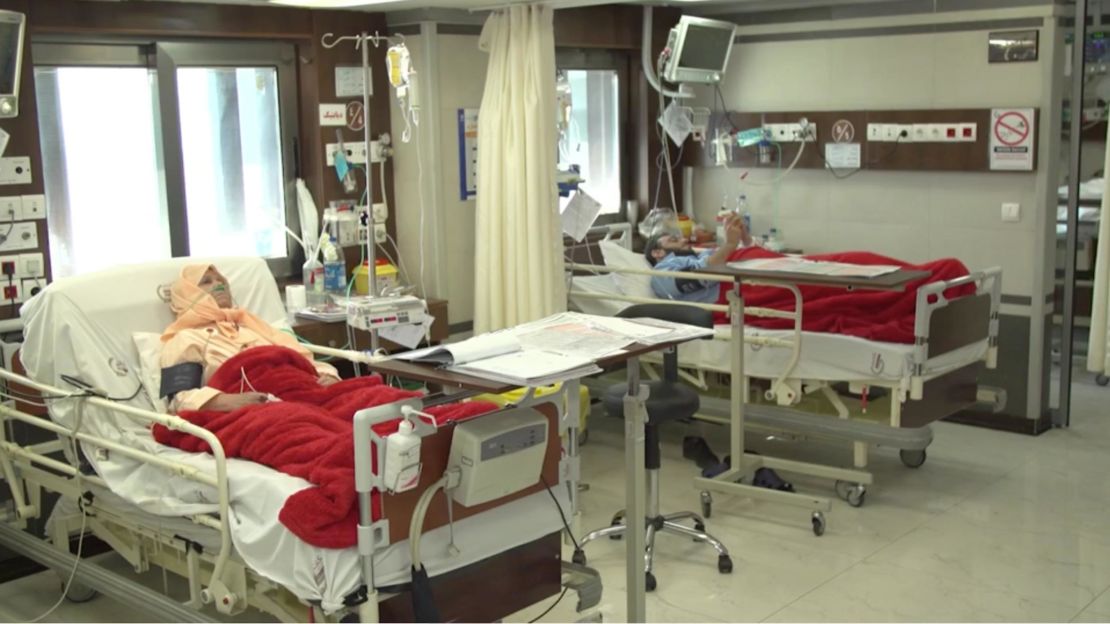
Healthcare facilities are struggling to cope with the surge of casualties resulting from the conflict. The IFRC has highlighted that trauma kits, surgical supplies, and other vital medical equipment are in short supply. With the ongoing hostilities, these resources are becoming increasingly difficult to replenish, raising fears of a complete breakdown in medical services if the conflict persists.
Local health systems, already strained by years of economic sanctions and previous conflicts, are now facing a new wave of challenges. Medical professionals are working tirelessly to attend to the influx of wounded individuals, but the lack of adequate supplies hampers their efforts. Hospitals are reported to be overwhelmed, and medical staff are calling for international assistance to help address the burgeoning humanitarian crisis.
The IFRC has also called on the international community to take swift action to support humanitarian efforts in Iran. They emphasize the urgent need for aid, including medical supplies and protective equipment for healthcare workers, who are risking their lives on the frontlines. The organization is coordinating with local partners to ensure that assistance reaches those in need, but logistical challenges remain a significant hurdle.
As the conflict continues and the humanitarian situation worsens, the need for a concerted international response becomes increasingly critical. The IFRC urges all parties involved to prioritize the protection of civilians and ensure that humanitarian aid can be delivered without obstruction. The escalating crisis in Iran serves as a stark reminder of the dire consequences of prolonged conflict on innocent lives and the essential role of humanitarian organizations in providing relief.