Vessels from Japan, France, and Oman Navigate the Strait of Hormuz Amidst Tensions
Recent maritime traffic data indicates that three tankers operated by Oman, along with a French container ship and a gas carrier from Japan, successfully traversed the strategically important Strait of Hormuz. This movement of vessels comes in the wake of shifting geopolitical dynamics in the region, particularly following escalating tensions between Iran and Western nations.
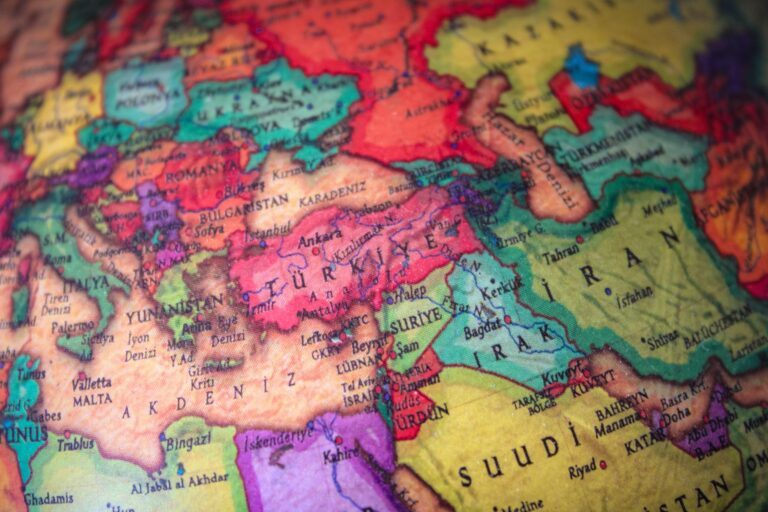
The Strait of Hormuz is a crucial maritime corridor, facilitating the transit of approximately 20% of the world’s oil and liquefied natural gas (LNG). The recent crossings occurred after Iran’s initial decision to restrict access to the strait following airstrikes attributed to the U.S. and Israel at the end of February. The Iranian government had expressed concerns over its territorial waters, prompting these restrictions in a bid to safeguard its national interests.
However, in a notable change of stance, Iran has since announced that it would allow vessels that do not have ties to the U.S. or Israel to pass through the strait. This move appears to be part of Iran’s broader strategy to manage its trade relationships while navigating the complexities of international relations amid ongoing conflicts.
The decision to permit the passage of these vessels suggests a calculated approach by Iran to foster connections with nations it perceives as friendly. Observers note that Iran’s actions may reflect its intent to maintain a semblance of stability in its maritime operations, particularly at a time when tensions in the region remain high.
The three Omani tankers, along with the French and Japanese vessels, represent not just individual commercial interests but also broader economic ties that transcend political friction. Countries like Oman have historically played a mediating role in the region, often acting as intermediaries between Iran and Western powers.
As the situation continues to evolve, the international community is closely monitoring developments in the Strait of Hormuz, which remains a vital artery for global energy supplies. Analysts suggest that the ability to navigate these waters may have implications for global oil prices and energy security.
In conclusion, the successful transit of these vessels highlights the complexities of maritime navigation in a geopolitically charged environment. It underscores Iran’s nuanced approach to international relations, balancing its security concerns with the need to engage in trade with nations it considers aligned with its interests. As tensions persist, the situation in the Strait of Hormuz will likely remain a focal point of global attention in the coming months.