French and Japanese Ships Navigate Strait of Hormuz Amid Ongoing Tensions
In a notable development, maritime tracking data has confirmed that a French-owned ship and a Japanese-owned vessel successfully crossed the strategically important Strait of Hormuz. This event marks the first time since the onset of recent conflicts in the region that commercial vessels have made this crucial passage, which is vital for the transport of oil and liquefied natural gas.
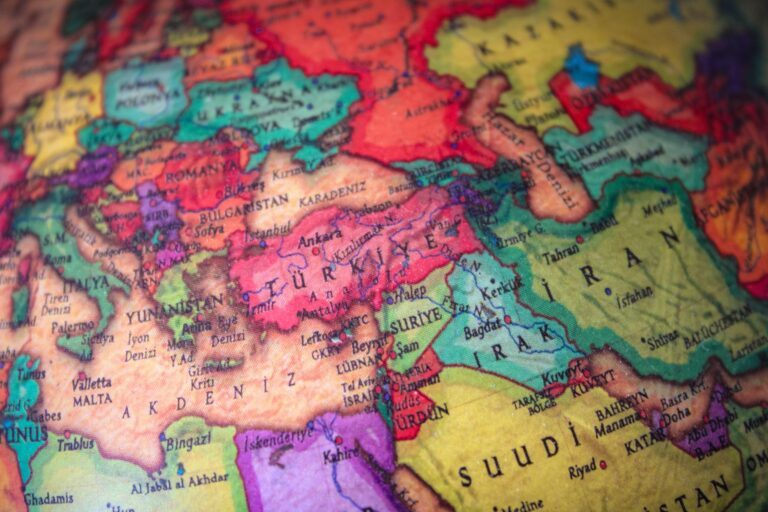
The Strait of Hormuz, a narrow waterway connecting the Persian Gulf to the Arabian Sea, is one of the busiest maritime routes in the world. Approximately 20% of the global oil trade passes through this strait, making it a focal point for international shipping. However, since the escalation of tensions in the region, particularly following recent military actions, the strait has seen heightened security measures and threats, leading to significant disruptions in maritime traffic.
According to data from Marine Traffic, a company that specializes in ship tracking, both the French and Japanese vessels made their crossings on Thursday. This development comes amid ongoing concerns regarding the safety of shipping routes in the region, as Iran has been accused of increasing its military presence and exerting control over maritime navigation in the strait.
The recent crossings may indicate a cautious return to normalcy for commercial shipping activities in this vital corridor. However, the situation remains precarious, with geopolitical tensions still high. The international community continues to monitor developments closely, as any further escalation could pose significant risks to maritime trade and regional stability.
Shipping experts suggest that while the passage of these two vessels is a positive sign, it may not necessarily signal a broader trend of increased shipping traffic through the Strait of Hormuz. Many shipping companies remain wary and may choose to reroute their vessels to avoid potential conflicts or disruptions. Insurance costs for vessels operating in the region have also surged, reflecting the heightened risks associated with navigating these waters.
As the situation evolves, the international maritime community is advocating for diplomatic solutions to ensure the safety and security of maritime routes. The Strait of Hormuz remains a critical artery for global energy supplies, and any disruption could have far-reaching implications for economies worldwide.
In summary, while the successful crossings of the French and Japanese ships represent a sign of resilience in the face of ongoing challenges, the broader implications for shipping and regional security continue to be a cause for concern among stakeholders in the global maritime industry.