Trump Issues Ultimatum to Iran Over Strait of Hormuz Access
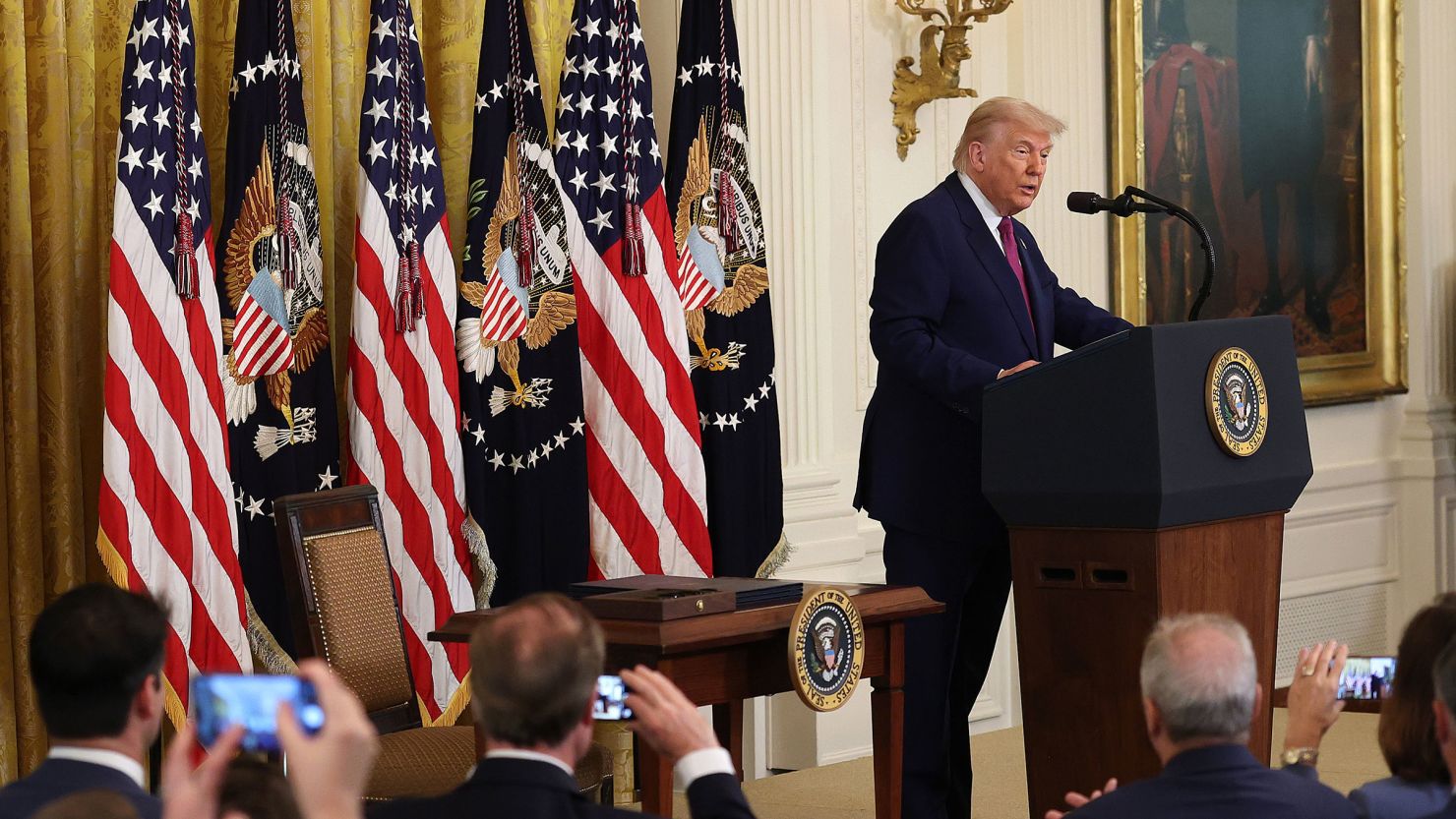
In a recent interview with the Wall Street Journal, U.S. President Donald Trump announced a firm deadline for Iran to allow free passage through the strategically vital Strait of Hormuz. According to Trump, if Iran does not comply by Tuesday evening, it could face severe consequences, including military strikes on essential infrastructure.
The Strait of Hormuz, a narrow waterway between Oman and Iran, serves as a critical conduit for global oil shipments, with approximately 20% of the world’s oil passing through its waters. Any disruption in this area could significantly impact global oil prices and energy security.
During the interview, Trump emphasized the seriousness of the situation, asserting, “If they don’t do something by Tuesday evening, they won’t have any power plants and they won’t have any bridges standing.” The President’s comments reflect heightened tensions between the U.S. and Iran, which have been escalating over the past year due to various geopolitical conflicts and economic sanctions.
The ultimatum comes amid ongoing concerns regarding Iran’s military activities in the region, particularly its naval maneuvers and threats to block the Strait. The U.S. has long accused Iran of using its military capabilities to intimidate shipping traffic in the area, which has drawn international concern.
In response to Trump’s remarks, Iranian officials have expressed defiance, reiterating their commitment to protect their territorial waters. Iran has previously warned that it will not hesitate to respond to any threats against its sovereignty.
The international community is closely monitoring the situation, as any military engagement in the region could have far-reaching implications. Analysts suggest that a conflict could disrupt not only oil supplies but also broader stability in the Middle East.
This development also raises questions about the response from U.S. allies in the region, many of whom rely heavily on the Strait for their energy imports. Countries such as Saudi Arabia and the United Arab Emirates have expressed concerns over Iran’s influence and actions, further complicating the geopolitical landscape.
As the Tuesday deadline approaches, it is unclear what specific actions the U.S. might undertake should Iran fail to meet the ultimatum. The potential for military intervention remains a contentious issue within U.S. foreign policy discussions, with some advocating for diplomatic solutions instead.
The situation remains fluid, and both the U.S. and Iran are at a critical juncture that could pivot toward either confrontation or negotiation. The outcome of this standoff could significantly affect not only regional dynamics but also the broader geopolitical climate involving major world powers.