Trump’s Controversial Easter Message on Iran Sparks Backlash
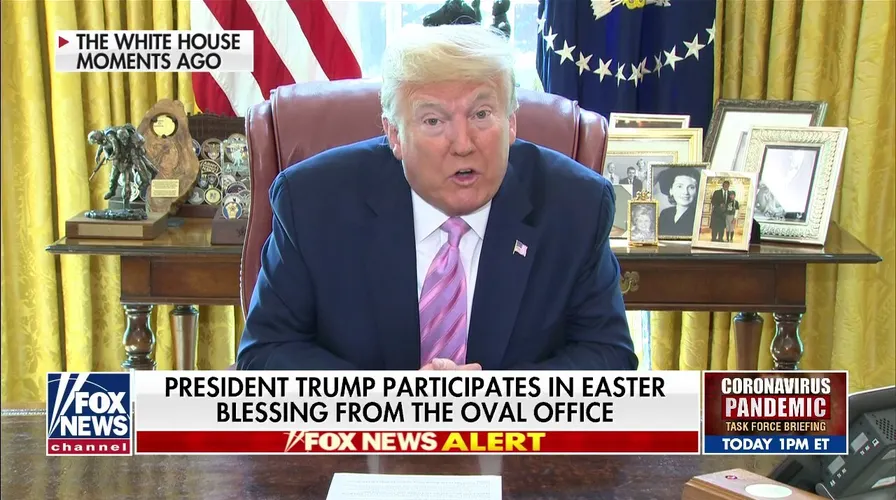
In a surprising move, President Donald Trump took to social media on Easter Sunday to express a fiery message directed at Iran, igniting a wave of criticism from various political circles and the public. The president’s post, which included strong language, called on Iran to allow access through the critical Strait of Hormuz, emphasizing his willingness to take aggressive military action if they did not comply.
In his early morning tweet, Trump stated, “Open the Strait, you crazy bastards, or you’ll be living in Hell – JUST WATCH!” This statement was accompanied by a reiteration of his previous threats to carry out extensive bombings on Iranian infrastructure, including power plants and bridges, should Iran continue to block the strait, a vital waterway for global oil shipments.
The Strait of Hormuz is a crucial passage for international trade, with a significant percentage of the world’s oil supply passing through it. Trump’s comments come amid heightened tensions between the U.S. and Iran, exacerbated by recent confrontations and military posturing in the region. Critics argue that such incendiary rhetoric, especially on a day traditionally associated with peace and reflection, is irresponsible and could escalate an already volatile situation.
Members of both parties in Congress expressed concern over the president’s choice of words. Some lawmakers argued that this type of communication undermines diplomatic efforts and could provoke unnecessary conflict. “We need to be careful with our language and actions, especially when it comes to international relations,” stated one Democrat, who preferred to remain anonymous. “This kind of rhetoric does not help and can lead to misunderstandings that might escalate tensions.”
In response to the outcry, White House officials defended the president’s remarks, claiming that strong messages are necessary to deter Iran from aggressive actions. They highlighted that Trump has consistently taken a tough stance against Iran’s activities in the region, which the administration views as a direct threat to U.S. interests and allies.
The reaction from the public has also been mixed, with some supporters praising Trump for his directness and commitment to protecting American interests, while others decried the use of profanity and the potential implications of such statements on international diplomacy.
As the situation unfolds, many are closely monitoring the responses from Iran and the broader implications for U.S.-Iran relations. With ongoing negotiations and potential conflicts on the horizon, the need for careful dialogue and diplomacy remains critical in addressing the complex issues surrounding this longstanding geopolitical tension.