Can Iran Charge Fees for Ships to Transit the Strait of Hormuz?
Iran is reportedly seeking to impose fees on vessels transiting the strategic Strait of Hormuz, a move perceived as part of its broader strategy to negotiate an end to ongoing tensions with Israel and the United States. This proposal comes in the wake of Iran’s recent actions, which included the obstruction of maritime traffic through this vital waterway for several weeks.
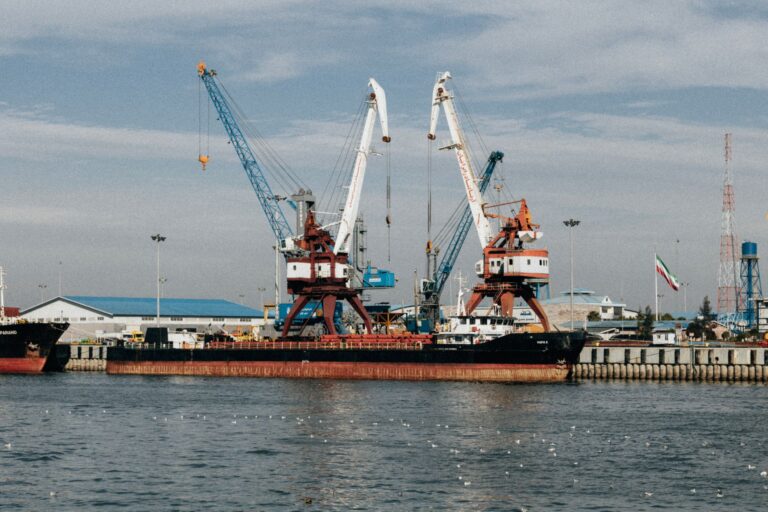
The Strait of Hormuz, a narrow channel separating Iran from Oman, is only 34 kilometers (21 miles) wide and serves as the primary passage for approximately 20% of the world’s oil supplies. This waterway is not only critical for oil transport but also facilitates the movement of other essential goods, such as fertilizers. Given its importance to global trade and energy security, any disruption in the Strait can have far-reaching consequences.
Iran’s suggestion to implement fees for ships navigating this channel raises several questions regarding international maritime law and the implications for global shipping routes. Under the United Nations Convention on the Law of the Sea, coastal states have limited rights to impose fees on vessels in international waters, particularly in straits used for international navigation.
Analysts suggest that Iran’s proposal may be aimed at asserting its control over the Strait, particularly as regional tensions have escalated in recent years. The country has historically leveraged its strategic location to influence maritime traffic and exert pressure on its adversaries. By introducing transit fees, Iran could potentially increase its revenue while simultaneously reinforcing its geopolitical stance in the region.
However, the international community remains skeptical about the feasibility and legality of such a charge. Shipping companies and nations that rely on the Strait for trade may view this proposal as a threat to free navigation. Furthermore, any attempt by Iran to enforce such fees could lead to increased military presence from the United States and its allies in the region, raising the stakes for all parties involved.
As discussions surrounding this proposal unfold, the impact on global oil prices and shipping logistics could be significant. Stakeholders in the energy sector are closely monitoring developments, as any instability in the Strait of Hormuz could trigger fluctuations in oil markets worldwide.
In summary, Iran’s intention to charge fees for ships transiting the Strait of Hormuz is a complex issue that intertwines regional politics, international law, and global trade dynamics. The response from the international community and the practical implications of such a move will be crucial in determining the future of this essential maritime route.