U.S.-Iran Ceasefire Developments: What We Know So Far
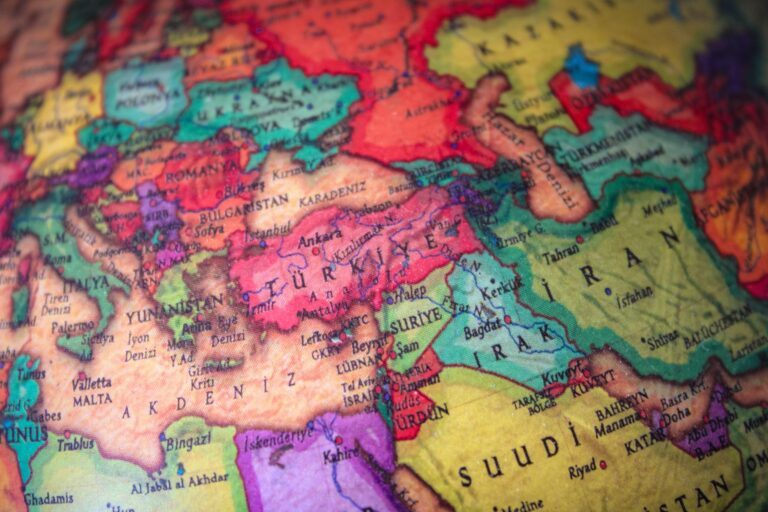
Tensions between the United States and Iran have reached a critical juncture following a surprising announcement from President Donald Trump regarding military actions in the region. On Tuesday, the President reversed his earlier stance on targeting Iran’s civilian infrastructure, leading to the establishment of a two-week ceasefire. However, the situation remains fluid, with ongoing concerns about the effectiveness of this truce.
The ceasefire, which was facilitated by Pakistan, was intended to halt hostilities between the two nations, but reports indicate that fighting continued shortly after the announcement. The uncertainty surrounding the ceasefire raises questions about its actual implementation and the willingness of both sides to adhere to it.
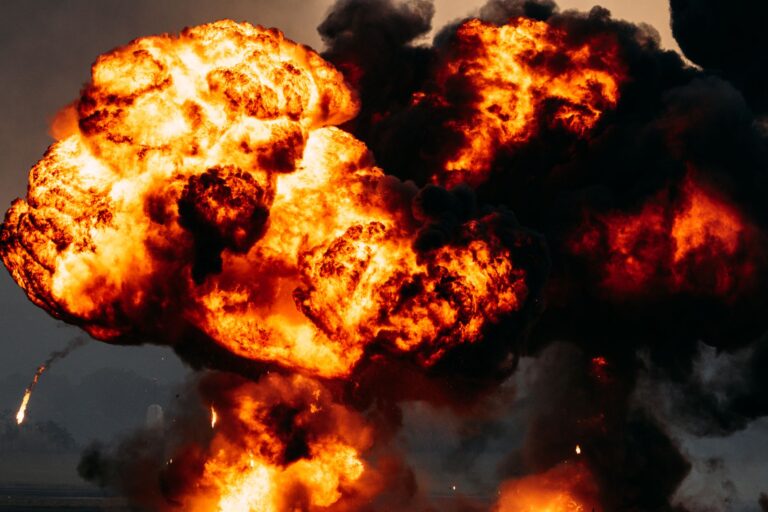
As the ceasefire was being discussed, Israeli forces intensified their military operations in Lebanon, reportedly launching their most significant attacks to date against Hezbollah, an Iran-backed militia. These attacks resulted in substantial destruction of infrastructure and a tragic loss of life, with local authorities reporting dozens of casualties. This escalation highlights the complex web of regional tensions that can affect any ceasefire agreement between the U.S. and Iran.
The situation remains volatile, with analysts expressing skepticism about the prospects of a lasting peace. Iran has been vocal about its intentions to defend its interests in the region, and the U.S. continues to navigate a complicated geopolitical landscape, balancing military readiness with diplomatic efforts. As both countries grapple with their internal and external pressures, the path forward remains fraught with challenges.
Moreover, the humanitarian implications of ongoing conflicts are increasingly concerning. Civilians in affected areas are facing dire conditions, exacerbated by military actions and the instability that comes with such conflicts. The international community is urged to monitor the situation closely and to advocate for measures that prioritize civilian safety and promote a lasting resolution to hostilities.
As the two-week ceasefire period unfolds, it is critical for observers to remain vigilant regarding developments from both the U.S. and Iran, as well as the broader regional dynamics involving allies and adversaries. The outcomes of these negotiations and military actions could have significant implications not only for U.S.-Iran relations but also for the stability of the Middle East as a whole.
In summary, while a ceasefire has been announced, the reality on the ground suggests that peace remains elusive. The involvement of external powers, the actions of militant groups, and the reactions of local populations will all play a crucial role in shaping the future of this ongoing conflict.