Airlines Face Uncertainty Amid Middle East Ceasefire
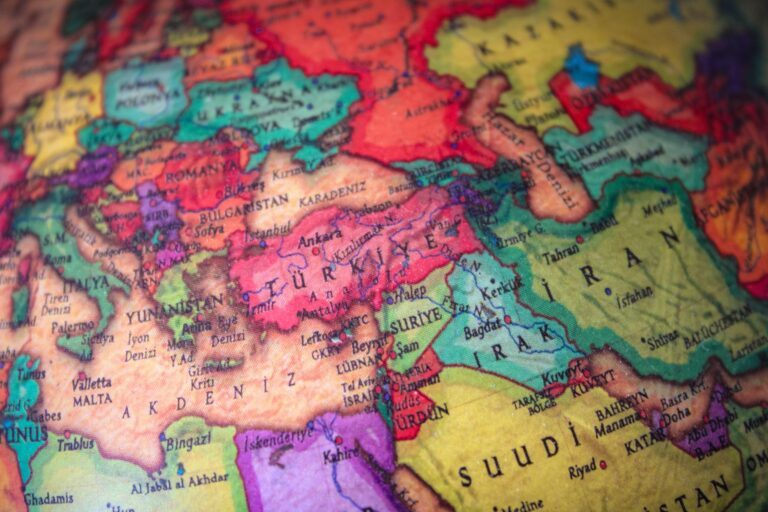
As a tenuous ceasefire holds in the Middle East following six weeks of intense conflict, the aviation industry remains on edge. Airlines are grappling with rising fuel costs and a significant drop in passenger demand, leading to route adjustments and prolonged suspensions of flights in the affected regions.
The ongoing conflict has forced many carriers to rethink their operations, with several airlines temporarily halting services to and from the Gulf region. Air France, for instance, has announced an extension of its flight suspension until May 3, a decision that was made prior to the recent ceasefire agreement between the United States and Iran. The airline’s move highlights the cautious approach many companies are taking as they navigate the complexities of the geopolitical landscape.
Travelers, particularly those from Arab-American communities, have expressed concerns over safety and stability in the region, which has resulted in a hesitance to book flights. Reports indicate that advance bookings have declined sharply, with many potential travelers opting to postpone their plans until there is more clarity regarding the situation in the Middle East.
In response to these challenges, airlines have been forced to implement cost-cutting measures. This includes reducing flight schedules, laying off staff, and re-evaluating their routes to ensure financial sustainability. Fuel prices have surged, exacerbating the financial strain on airlines already reeling from the pandemic’s impacts. Experts suggest that even if the ceasefire holds, the economic repercussions of the conflict could linger, affecting air travel for the foreseeable future.
Industry analysts are closely monitoring the situation, noting that while a ceasefire may provide temporary relief, the underlying tensions in the region continue to pose a threat to air travel. The potential for renewed hostilities could further deter travelers and lead to additional flight cancellations.
Airlines are also looking for ways to reassure travelers of their safety. Enhanced communication regarding safety measures, flexible booking options, and transparent refund policies are among the strategies being employed to regain consumer confidence. However, many in the industry acknowledge that rebuilding trust will take time, particularly in light of the recent events.
As the situation unfolds, the aviation sector remains vigilant, assessing both the immediate and long-term implications of the conflict on travel. For Arab-American travelers and communities, staying informed about developments and understanding the evolving landscape will be essential in making travel decisions in the coming months.