US-Iran Ceasefire Should Include Lebanon, According to EU Diplomat
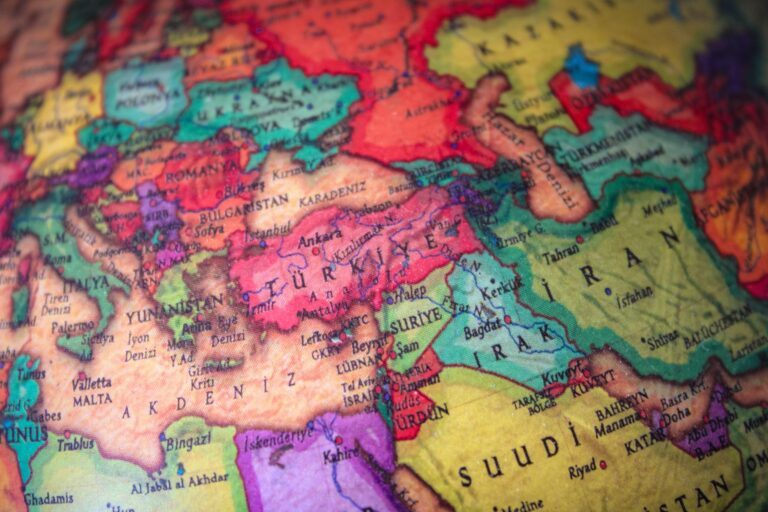
The European Union’s top diplomat has called for the recent ceasefire agreement between the United States and Iran to be expanded to include Lebanon. Kaja Kallas, the EU’s foreign affairs chief, made her remarks during a recent statement, emphasizing the importance of addressing the regional implications of the U.S.-Iran truce.
Kallas highlighted that the ongoing conflict in the region, particularly the actions of Israel, threatens to undermine the fragile ceasefire between the U.S. and Iran. She pointed to recent Israeli military operations that resulted in significant casualties, arguing that these actions complicate the situation further and challenge the narrative of self-defense.
In her post on social media platform X, Kallas stated, “Israeli actions are putting the U.S.-Iran ceasefire under severe strain. The Iran truce should extend to Lebanon.” This statement underscores the EU’s concern about the potential spillover effects of the conflict on neighboring countries, particularly Lebanon, where the Iran-backed group Hezbollah operates.
Hezbollah has been a central player in the regional dynamics, and Kallas reiterated the need for the group to disarm as part of any broader peace initiative. The diplomat’s comments reflect ongoing tensions in the Middle East, where various factions, including Hezbollah, have been seen as both a stabilizing force and a source of conflict, depending on the perspective.
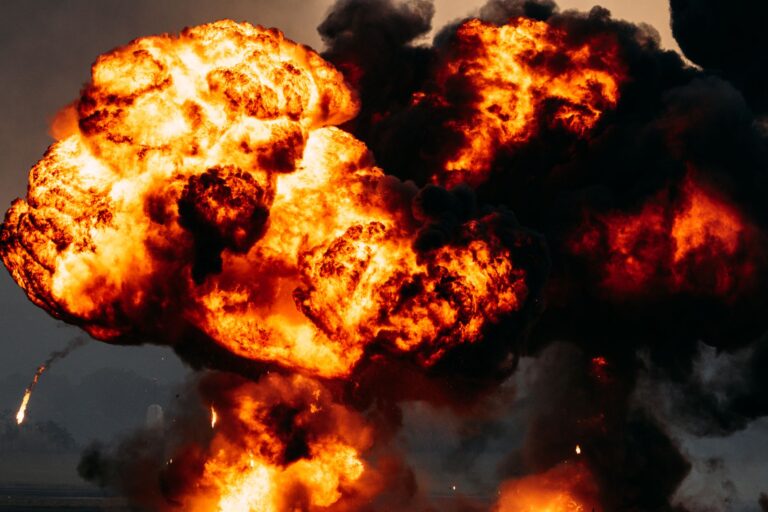
The recent uptick in violence, especially Israeli airstrikes that reportedly killed hundreds, has drawn international condemnation and raised questions about the proportionality of such military responses. Kallas criticized these actions, stating, “It is hard to argue that such heavy-handed actions fall within self-defense.” This sentiment resonates with many observers who fear that the cycle of violence could escalate even further without a comprehensive approach to peace in the region.
The call for a broader ceasefire that includes Lebanon and addresses the role of Hezbollah may pave the way for renewed diplomatic efforts. The EU has been actively engaged in seeking stability in the region, and Kallas’s comments suggest a push for a more unified international response to the ongoing conflict.
As discussions around the ceasefire continue, the international community is watching closely to see how these dynamics unfold and whether efforts to stabilize Lebanon and its surrounding areas can gain traction. The potential for a peaceful resolution will depend not only on the parties directly involved but also on the commitment of global powers to address the underlying issues fueling the ongoing conflict.