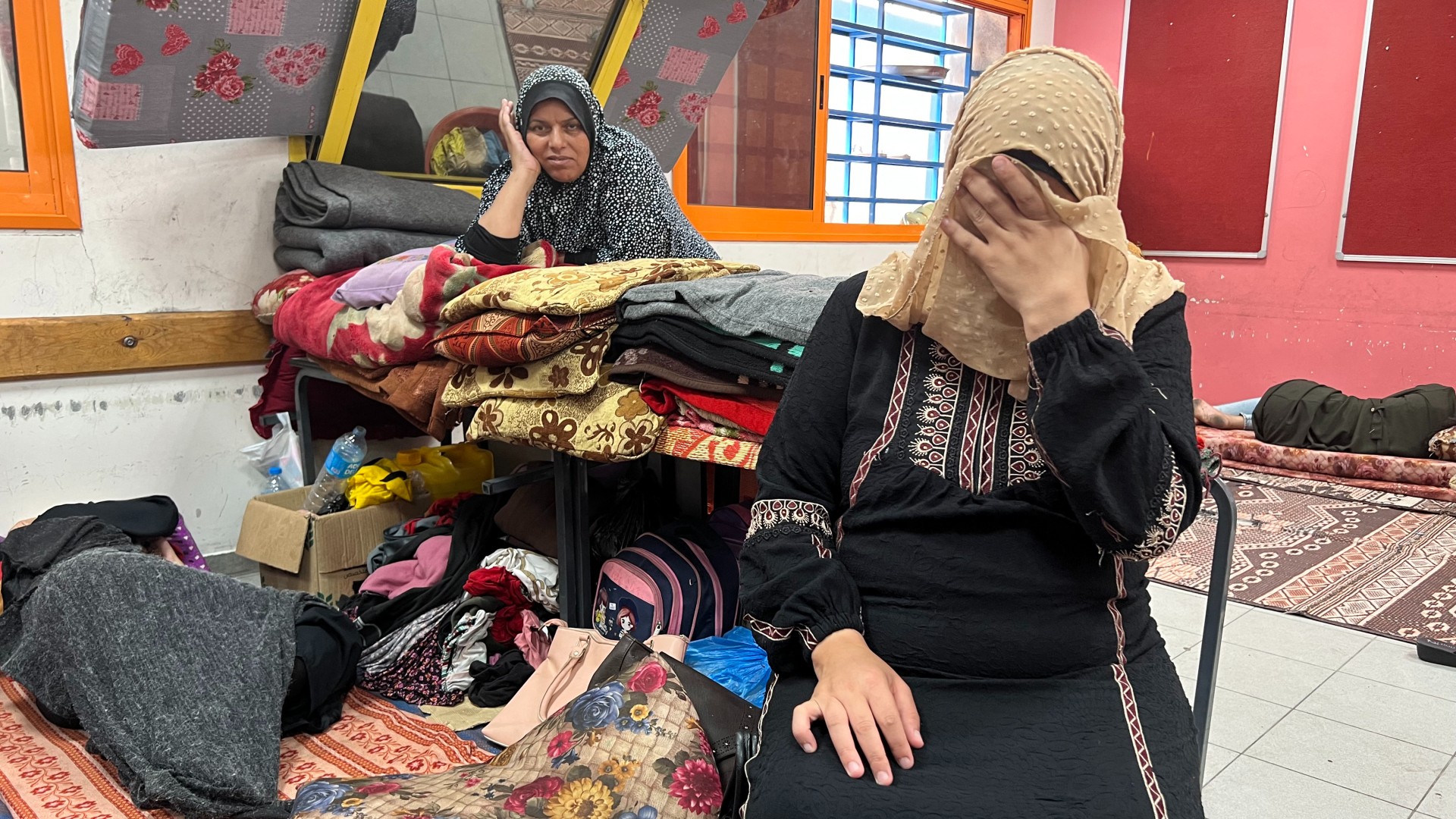
Giving Birth in a Shelter in Israel
In a poignant reminder of the challenges faced by families living in conflict zones, Sarah Bird welcomed her third child in an underground shelter at a hospital in Haifa, Israel. The surreal juxtaposition of joy and tension was palpable as doctors and midwives worked diligently to bring new life into the world amidst the backdrop of uncertainty.
As Bird, 38, held her newborn for the first time, the joy in the room was unmistakable. “She’s beautiful,” a midwife exclaimed, placing the baby in Bird’s arms. The moment was filled with emotion as Bird’s face lit up with a broad smile, celebrating the arrival of her daughter despite the surrounding turmoil.
Bird’s husband, Yitzhak, who had been visibly anxious throughout the delivery, finally allowed himself to breathe a sigh of relief. The couple, like many in the region, are navigating the complexities of family life under the shadow of ongoing conflict. They have decided to wait a week before selecting a name for their new daughter, a choice that reflects both tradition and the emotional weight of their circumstances.
The scene in the shelter was emblematic of the resilience of families in Israel, particularly amidst heightened tensions and security concerns. Hospitals like the one in Haifa have prepared for such emergencies, ensuring that they can provide care in unconventional settings when necessary. The underground shelter is equipped to protect both patients and staff from threats, allowing medical professionals to focus on their primary mission—caring for those in need.
The experience of giving birth in a shelter highlights the stark realities many families face in the region. It illustrates the intersection of hope and fear, where the birth of a child is a moment of profound joy set against a backdrop of uncertainty. It serves as a reminder of the strength and resilience that families must embody in times of crisis.
As Bird and Yitzhak embark on this new chapter of their lives, they join countless families who have experienced similar joys and challenges in a region marked by conflict. Their story resonates with many Arab-American readers who understand the complexities of life in areas affected by instability. The birth of their daughter is not just a personal milestone; it is a testament to the enduring spirit of families striving for normalcy in difficult circumstances.
As they look forward to naming their child and welcoming her into their family, Bird and Yitzhak embody the hope that persists even in the most trying of times. Their experience serves as a poignant reminder of the resilience of the human spirit and the profound love that exists within families, even amidst uncertainty.