Trump Claims Iran Holds No Leverage in Negotiations Except for Strait of Hormuz
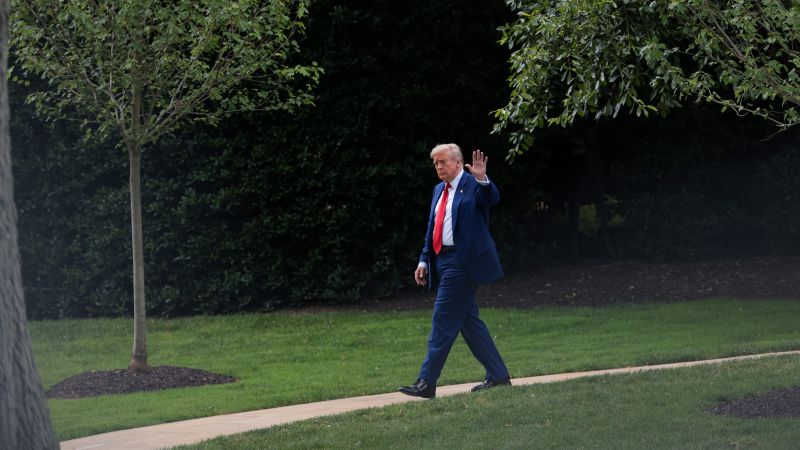
In recent remarks, former President Donald Trump asserted that Iran lacks negotiating power in future discussions with the United States, suggesting that their only significant leverage lies in their control over the strategic Strait of Hormuz. This statement, made public via his Truth Social platform, reflects Trump’s ongoing critique of Iranian influence in the region.
Trump emphasized that Iran’s capabilities are limited, stating, “The Iranians don’t seem to realize they have no cards, other than a short-term extortion of the world by using international waterways.” His comments come amid heightened tensions between the U.S. and Iran, particularly concerning maritime security and the flow of oil through the vital shipping channel.
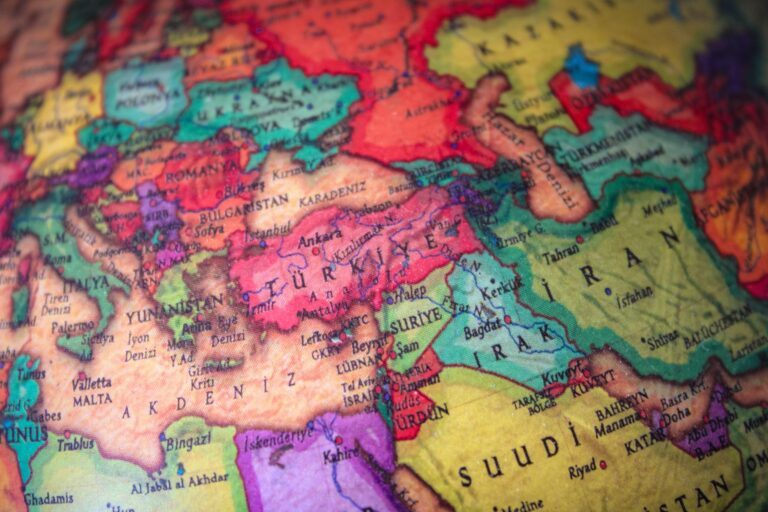
The Strait of Hormuz, which connects the Persian Gulf with the Gulf of Oman, is a critical passage for global oil shipments, with a significant portion of the world’s petroleum passing through this narrow waterway. Iran’s ability to exert pressure on international shipping routes has long been a point of contention and a source of concern for the United States and its allies.
Trump’s remarks also included a provocative assertion regarding Iran’s survival, suggesting that the country’s current existence is largely contingent upon its willingness to engage in negotiations. “The only reason they are alive today is to negotiate!” he remarked, indicating a belief that diplomatic discussions are essential for Iran amidst international scrutiny and sanctions.
These comments come as the Biden administration continues to navigate its own approach towards Iran, especially in light of the 2015 nuclear agreement, formally known as the Joint Comprehensive Plan of Action (JCPOA). The U.S. withdrew from the agreement in 2018 under Trump’s presidency and has since reinstated sanctions against Iran, leading to escalating tensions over nuclear development and regional activities.
Iran has previously maintained that its actions in the Strait of Hormuz are defensive, asserting its right to protect its national interests. In response to U.S. sanctions and perceived threats, Iranian officials have often warned that they could disrupt maritime traffic in the region if provoked.
As negotiations between Iran and the U.S. remain complex and fraught with challenges, Trump’s comments highlight a broader debate around Iran’s role in global security and the dynamics of international diplomacy. Observers note that the situation in the Strait of Hormuz is likely to remain a focal point for discussions about regional stability and the future of U.S.-Iran relations.
With each side holding firm to its positions, the path forward appears uncertain, underscoring the importance of continued dialogue and strategic engagement in addressing the multifaceted issues at play.