Israeli Airstrike in Southern Lebanon Claims Lives of 13 Security Personnel
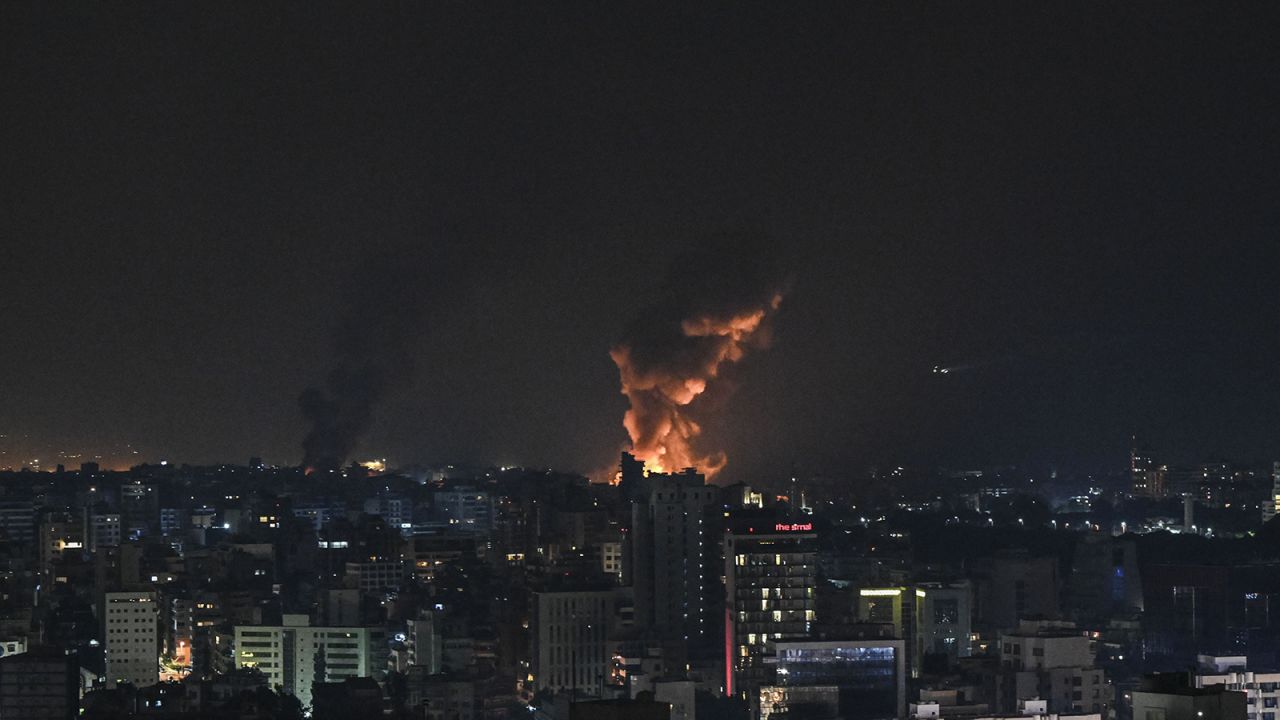
An Israeli airstrike in the southern Lebanese city of Nabatiyeh has resulted in the deaths of 13 personnel from the State Security forces, according to reports from the agency. This strike is part of a series of recent attacks that have escalated tensions in the region, coinciding with Lebanon’s efforts to initiate ceasefire negotiations with Israel.
The incident has prompted strong reactions from Lebanese officials. Prime Minister Nawaf Salam expressed his deep sorrow over the loss of life, stating that this tragedy only reinforces Lebanon’s commitment to achieving a ceasefire that would safeguard its citizens and the southern regions of the country. In his statement, he emphasized the urgent need for a resolution to the ongoing conflict, underscoring the importance of protecting Lebanese lives during these troubled times.
In addition to the Prime Minister’s remarks, President Joseph Aoun called upon the international community to take action against what he described as repeated aggressions from Israel. He urged global powers to fulfill their responsibilities in addressing and resolving the escalating violence in Lebanon. His appeal highlights the broader concern among Lebanese leaders regarding the impact of foreign intervention and the need for a diplomatic solution to restore peace.
The airstrike in Nabatiyeh comes amidst a backdrop of heightened military activity along the Israel-Lebanon border. This region has seen a surge in confrontations, with both sides exchanging fire and escalating their military postures. The situation remains precarious, as families in southern Lebanon face the immediate threat of violence and instability.
As the Lebanese government prepares for potential ceasefire discussions, the recent loss of life has intensified the urgency for dialogue and reconciliation. Observers note that the establishment of a ceasefire is critical not only for the safety of Lebanese citizens but also for regional stability, which has been increasingly compromised by ongoing hostilities.
International responses to the conflict have varied, with some countries urging restraint and calling for negotiations while others have expressed support for Israel’s military actions. The contrasting perspectives highlight the complexities of the situation, as regional and global powers navigate their interests and alliances in the Middle East.
The loss of 13 security personnel adds to the growing toll of casualties resulting from the violence, further complicating the humanitarian landscape. As Lebanon grapples with the aftermath of this attack, the hope for a diplomatic resolution remains a priority for many, as they seek to end the cycle of violence that has plagued the region for decades.