Netanyahu Seeks Delay in Corruption Trial Testimony Amid Ongoing Security Concerns
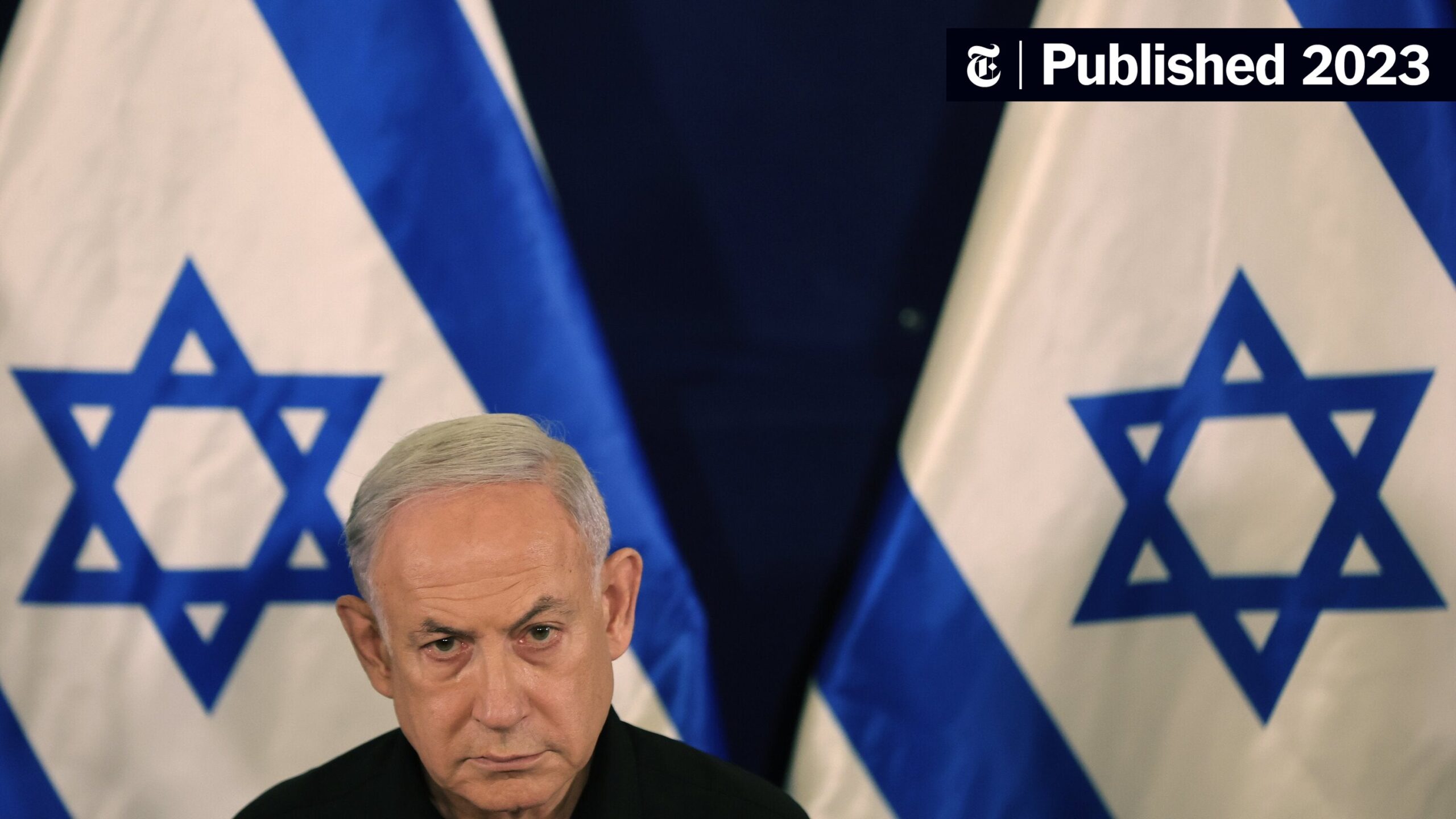
Israeli Prime Minister Benjamin Netanyahu has formally requested a postponement of his testimony in a high-profile corruption trial, originally scheduled to resume this Sunday. His legal team cited ongoing security issues in the region as the reason for the request, according to a court filing made public on Friday.
The trial, which has garnered significant attention, involves allegations of bribery, fraud, and breach of trust against Netanyahu. After a lengthy hiatus, the proceedings were set to continue following Israel’s recent lifting of a state of emergency that had been in place due to escalating tensions with Iran. A ceasefire was declared earlier this week, yet Netanyahu’s defense team argues that the current security climate still warrants a delay in the trial.
In the court documents, Netanyahu’s lawyer emphasized that the situation remains volatile and that it would not be prudent for the prime minister to testify under such circumstances. The defense expressed readiness to proceed with hearing the testimony of a prosecution witness, indicating that while they are prepared for some aspects of the trial, they believe the timing is not conducive for Netanyahu to take the stand.
This request for a delay adds another chapter to a trial that has already seen numerous interruptions and delays, reflective of both the legal complexities involved and the political backdrop in Israel. Netanyahu has consistently denied all charges against him, claiming that he is the victim of a politically motivated witch hunt. His supporters echo this sentiment, arguing that the legal proceedings are an extension of political rivalry.
The trial has implications not only for Netanyahu but also for the broader political landscape in Israel, where he has served as prime minister for an extended period. As tensions in the region fluctuate, the outcome of this trial could influence public opinion and future elections.
Observers note that the trial has sparked significant debate within Israeli society, with opinions divided along political lines. Some see it as a necessary step towards accountability for public officials, while others perceive it as a threat to the stability of the current government.
As the situation develops, it remains to be seen how the court will respond to Netanyahu’s request and whether the trial will proceed as planned or face further delays. The prime minister’s next steps will be closely monitored, both in terms of the legal ramifications and the potential impact on his political future.