Trump Announces U.S. Military Action in the Strait of Hormuz
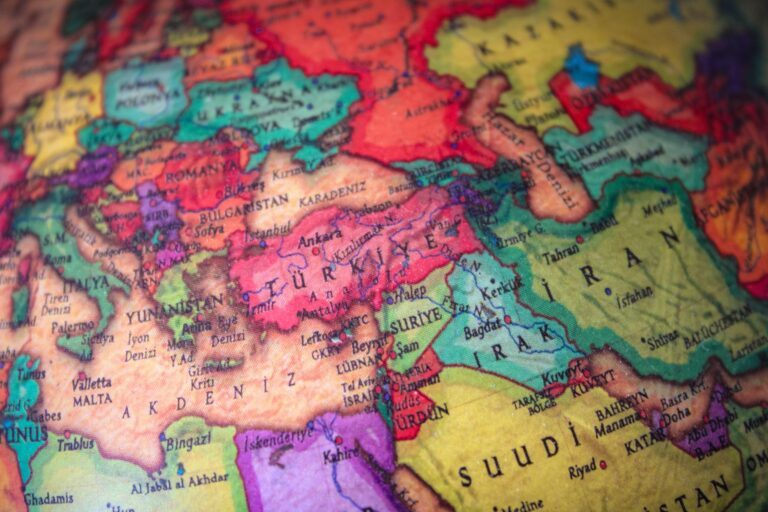
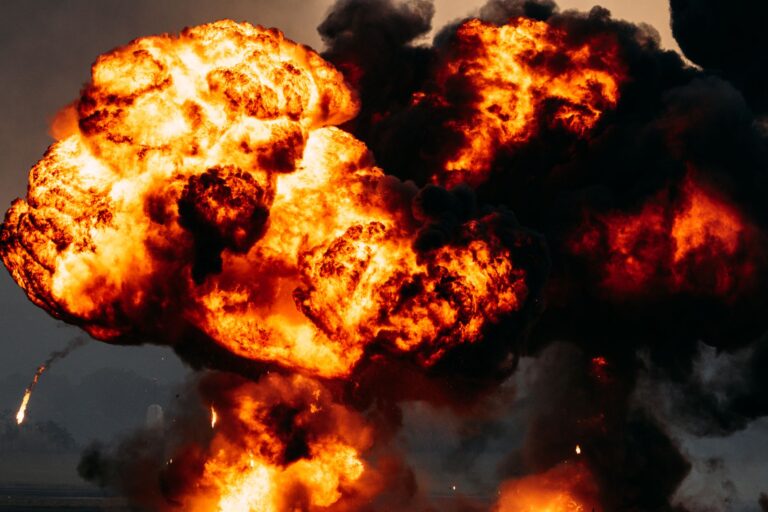
In a recent social media update, President Donald Trump declared that the United States military has commenced operations to clear the Strait of Hormuz, a crucial waterway for global oil transportation. This announcement follows escalating tensions in the region, particularly involving Iran’s maritime activities.
Trump’s post emphasized that U.S. forces have successfully destroyed all of Iran’s minelaying vessels, stating that “all 28” of these boats are now “lying at the bottom of the sea.” The Strait of Hormuz is a strategic chokepoint through which approximately one-fifth of the world’s oil passes, making its security a significant concern for both the United States and its allies.
The president’s comments come amid heightened scrutiny of Iran’s actions in the Gulf, where it has been accused of deploying naval mines and engaging in aggressive maneuvers against commercial shipping. The U.S. military has consistently maintained a presence in the region to ensure the free flow of maritime traffic and to deter potential threats from hostile actors.
This latest assertion by Trump is part of a broader narrative surrounding U.S.-Iran relations, which have been fraught with tension since the U.S. withdrew from the 2015 nuclear agreement. The situation in the Strait of Hormuz has ramifications not only for regional stability but also for global energy markets, as any disruption in this vital shipping lane could lead to significant economic consequences.
In light of these developments, analysts are closely monitoring the situation, particularly the potential for retaliatory actions from Iran. The Iranian government has previously vowed to protect its interests in the Gulf and has warned that it would respond forcefully to any perceived aggression against its maritime operations.
The U.S. military’s operations in the Strait of Hormuz underscore the ongoing geopolitical rivalry between Washington and Tehran. While the U.S. aims to ensure maritime security, Iran views its naval capabilities as essential for national defense and regional influence. The situation remains fluid, with diplomatic efforts ongoing to de-escalate tensions between the two nations.
As the U.S. continues its military operations, it remains to be seen how Iran will respond and what impact these developments will have on the broader Middle East. The international community is watching closely, as any significant escalation could have far-reaching implications not only for U.S.-Iran relations but also for global stability and security in the energy sector.