Italy Suspends Defence Cooperation Agreement with Israel Amid Rising Tensions
In a significant shift in foreign policy, the Italian government announced the suspension of its automatic renewal of a defense cooperation agreement with Israel. Prime Minister Giorgia Meloni revealed this decision on Tuesday, attributing it to the escalating conflicts in the Middle East, particularly the recent military actions in Lebanon.
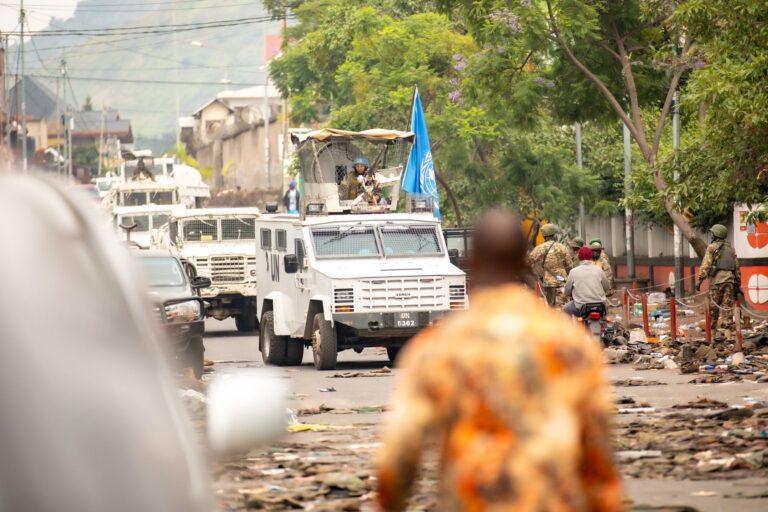
Traditionally, Italy has maintained a strong alliance with Israel, positioning itself as one of its closest supporters in Europe. However, the current administration, which is aligned with right-wing ideologies, has recently voiced concerns over Israel’s military operations that have impacted not only the region but also Italian personnel deployed in Lebanon under a United Nations mandate. This shift highlights a growing sensitivity to the implications of international military engagements on Italian troops and broader geopolitical stability.
The suspension of the defense deal reflects a nuanced approach by Meloni’s government, which has been navigating a complex landscape of international relations. The Prime Minister’s administration has faced increasing pressure from various sectors within Italy, advocating for a reassessment of its military and diplomatic ties with nations involved in ongoing conflicts. Critics argue that unconditional support for military actions can lead to humanitarian crises, prompting calls for a more balanced stance.
In recent weeks, Italian officials have expressed their apprehensions regarding the humanitarian impact of the conflict in Lebanon, where civilians have been caught in the crossfire. The situation has intensified debates within Italy about the ethical responsibilities of nations that engage in defense cooperation with countries involved in active military confrontations.
This decision to suspend the defense agreement is significant not only for Italy’s diplomatic posture but also for its domestic political landscape. It reveals the complexities of aligning national interests with international humanitarian concerns, a balancing act that many governments grapple with in times of conflict.
Reactions to the announcement have been mixed. Some political analysts commend the Italian government for taking a stand against actions that may further exacerbate regional instability, while others criticize it as a retreat from a historically strong alliance. As the situation in the Middle East continues to evolve, the implications of this decision for Italy’s future foreign policy and its relationship with Israel remain to be seen.
With this move, Italy joins a growing list of nations reconsidering their military partnerships in light of humanitarian considerations. The international community will be closely monitoring the developments that follow, as they may signal a broader shift in how countries engage with one another amidst ongoing conflicts.