Lebanese and Israeli Diplomats Set for Talks Amid Ongoing Conflict with Hezbollah
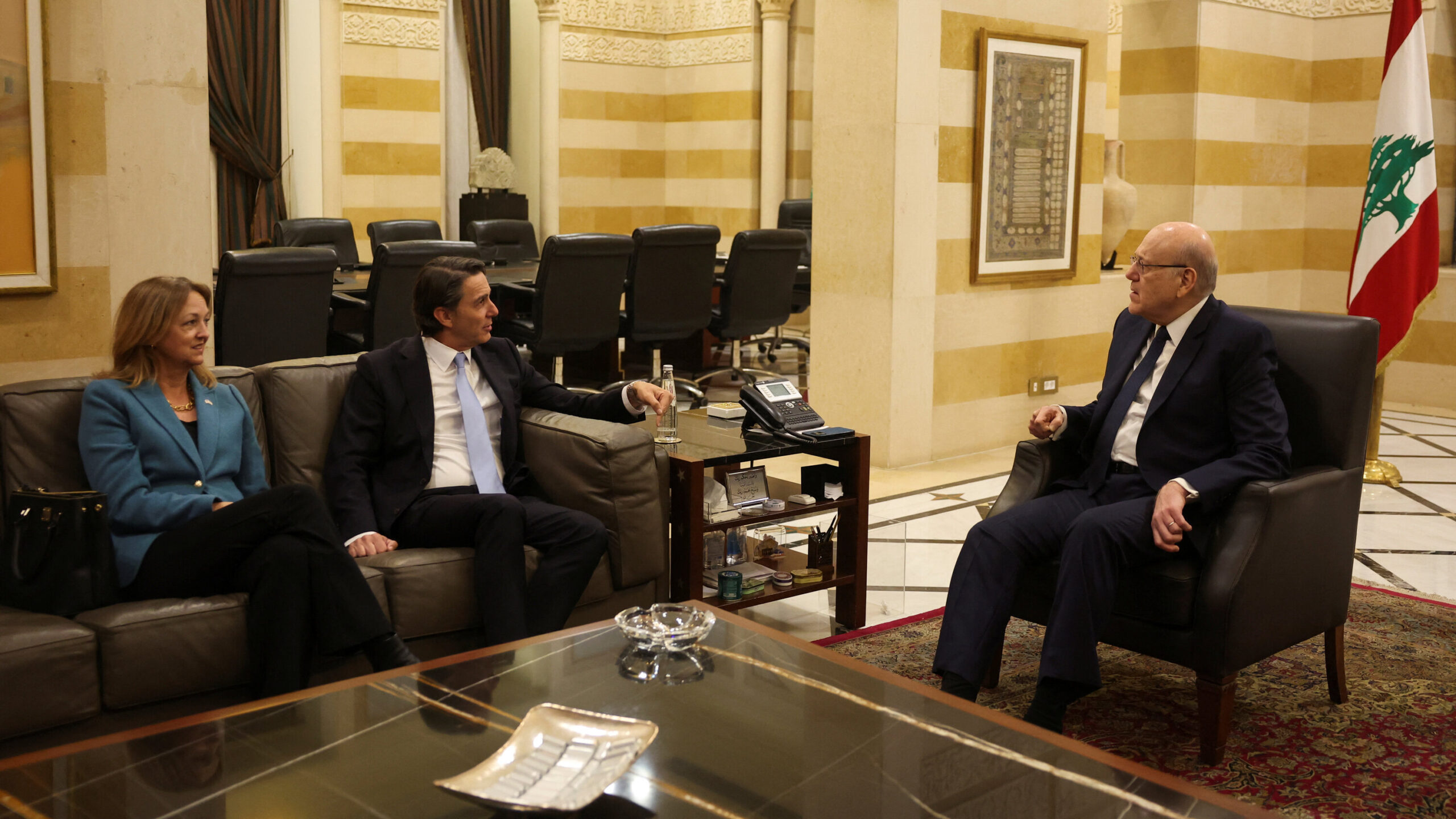
Israeli and Lebanese diplomats are scheduled to convene in Washington on Tuesday in what represents a significant diplomatic engagement between the two nations. This meeting comes at a time when Israel continues its military operations against Hezbollah, the Iran-backed group based in Lebanon. The discussions are expected to focus on pressing security concerns, yet they are complicated by differing priorities and Israel’s firm stance against a ceasefire.
The ongoing conflict has escalated tensions in the region, with Israel intensifying its military efforts against Hezbollah in response to perceived threats along its northern border. The Israeli government has made it clear that it sees disarming Hezbollah as a non-negotiable condition for any potential respite in hostilities. Israeli officials have articulated that they will not entertain a ceasefire while the group maintains its military capabilities.
Lebanese representatives, on the other hand, are likely to emphasize the need for dialogue and negotiation to address the root causes of the conflict. Lebanon has been grappling with its own set of challenges, including a severe economic crisis and internal political instability, which complicate its capacity to engage with Israel on military issues. The Lebanese government may also seek to highlight the humanitarian impact of the ongoing military operations and the urgent need for a resolution that prioritizes the safety of civilians.
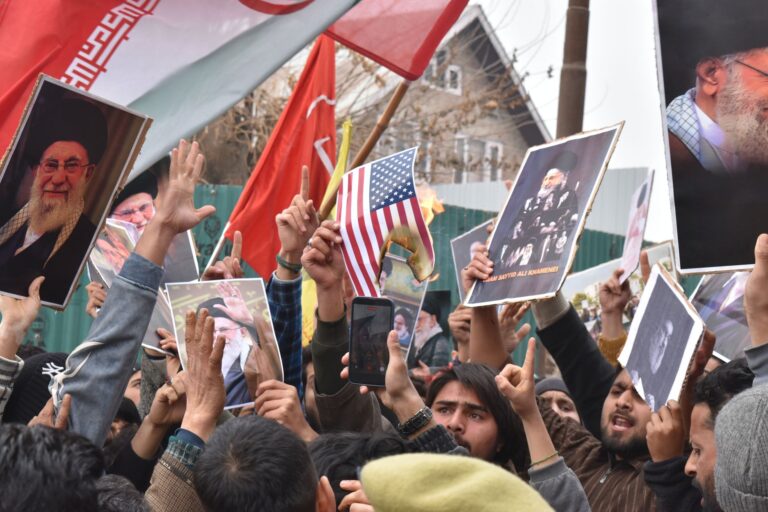
The backdrop to this meeting is a rapidly shifting geopolitical landscape, with Iran’s influence in the region a significant factor in the dynamics between Israel and Hezbollah. Iran has historically supported Hezbollah, providing it with funding and military resources, which Israel views as a direct threat to its national security. As such, the discussions in Washington may also touch upon broader regional issues, including Iran’s role and the potential for future conflict.
While both sides recognize the importance of this dialogue, the chasm between their positions remains wide. Israel’s insistence on disarmament as a precondition for any ceasefire contrasts sharply with Lebanon’s call for a ceasefire to facilitate humanitarian aid and a return to stability. Observers are keenly watching how this meeting will unfold, as it may set the tone for future interactions—not only between Israel and Lebanon but also within the broader context of Middle Eastern diplomacy.
As the situation continues to evolve, the outcome of the talks in Washington will be critical in shaping the future of Lebanese-Israeli relations and the ongoing conflict with Hezbollah. The international community remains hopeful that dialogue can pave the way for a more peaceful coexistence, but the path forward is fraught with challenges.