Lebanese Residents Return to Southern Homes Amidst Devastation
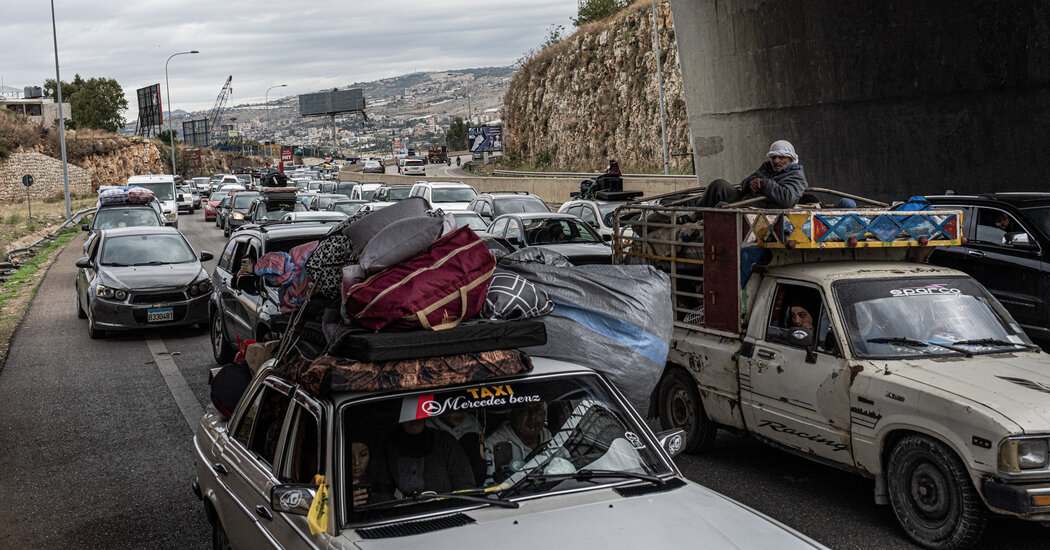
Residents of southern Lebanon are experiencing a complex mix of joy and despair as they return to their homes following a ceasefire with Israel. The recent truce, which has brought an end to weeks of intense conflict, has allowed many families to navigate makeshift routes back to their neighborhoods, although the devastation they encounter is profound.
On Friday, children could be seen leaning out of car windows, flashing peace signs as they crossed a temporary bridge that had been hastily erected over the Litani River. This moment of celebration, however, is overshadowed by the reality awaiting them. Many neighborhoods and villages have been reduced to rubble, with homes, schools, and local businesses destroyed or severely damaged.
The conflict has displaced nearly a quarter of Lebanon’s population, particularly affecting Shiite-majority areas in the south. Families were forced to evacuate as Israel conducted military operations aimed at dismantling Hezbollah’s presence and infrastructure. The exodus has left thousands homeless, grappling with the loss of their properties and the emotional scars of war.
As residents return, they are greeted with the stark reality of their surroundings. Many buildings are uninhabitable, and essential services have been severely disrupted. The landscape is dotted with debris, and the sounds of construction and cleanup efforts are prevalent as communities begin the arduous task of rebuilding their lives. Local officials and international aid organizations are mobilizing to provide assistance, but challenges remain significant.
Residents express a mixture of relief and sorrow. While the end of hostilities brings a sense of safety, the sight of their devastated neighborhoods weighs heavily on their hearts. Many families are attempting to salvage what they can, searching through the wreckage for personal belongings and memories. The emotional toll is evident as they confront the loss of their homes and the community ties that have been severed.
Aid has begun to trickle in, with organizations providing food, medical supplies, and support for those displaced by the violence. However, the scale of the destruction poses a formidable challenge to recovery efforts. Community leaders are calling for more substantial international support to help address the immediate needs of the affected population and to facilitate long-term reconstruction.
As Lebanon navigates this period of transition, the resilience of its people remains evident. Despite the immense challenges, many residents are committed to rebuilding their homes and communities, driven by a deep-rooted hope for a more peaceful future. The journey ahead will be long, but the spirit of cooperation and solidarity among the Lebanese people offers a glimmer of optimism amid the ruins.