Lebanon President Announces New Phase of Agreements Following Israel-Hezbollah Ceasefire
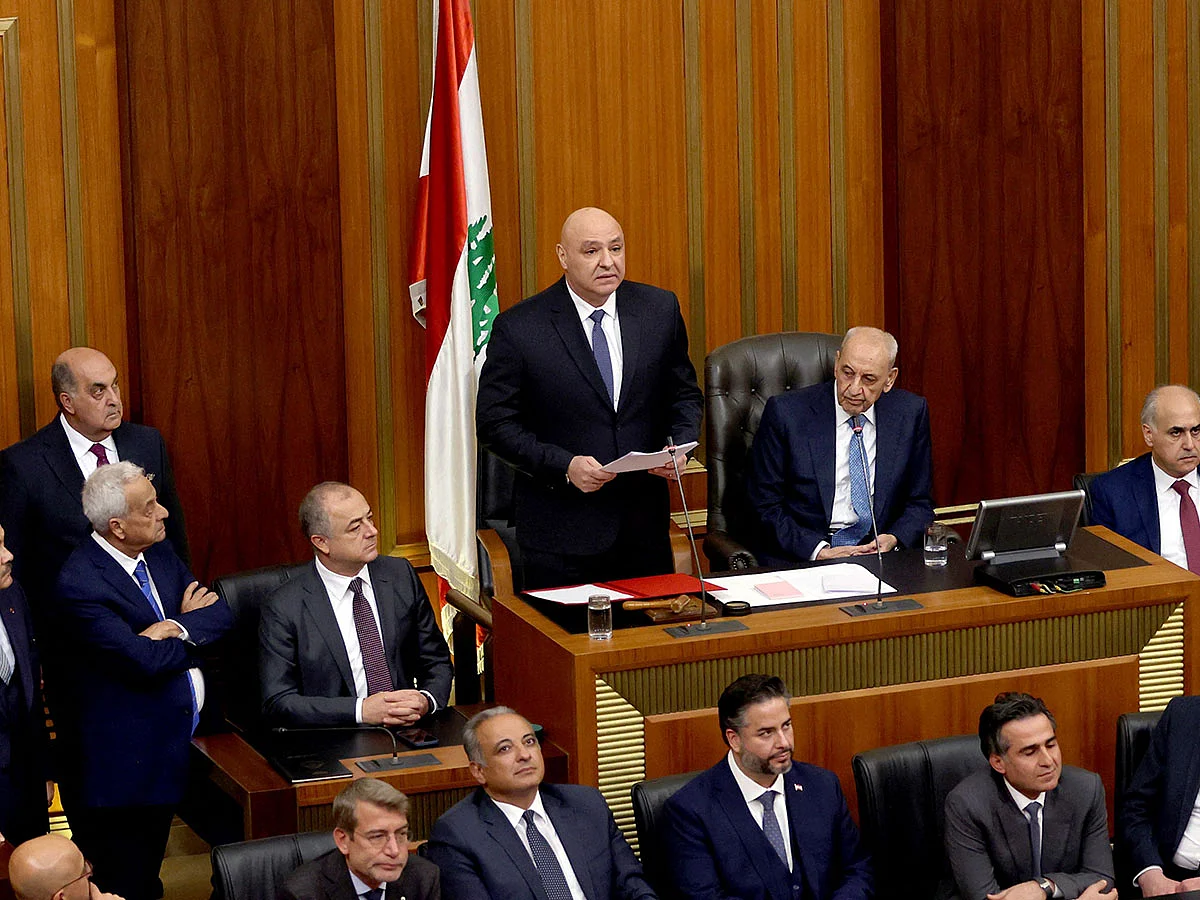
In a significant address to the Lebanese public, President Joseph Aoun declared that Lebanon is entering a pivotal “new phase” characterized by the pursuit of “permanent agreements” following a recent ceasefire between Israel and Hezbollah that lasted ten days. This declaration comes in the wake of a truce that has raised hopes for stability in a region long plagued by conflict.
During his speech, Aoun emphasized that Lebanon is determined to reclaim its sovereignty and is no longer willing to serve as a battleground for external powers or conflicts. He highlighted the importance of establishing a framework that prioritizes national interests and promotes peace within Lebanese borders. The president’s remarks were seen as a direct message to various factions, including Hezbollah, as he called for unity among Lebanese citizens.
The ceasefire, which was announced by U.S. President Donald Trump, has temporarily halted hostilities in the region, allowing for a moment of reflection and potential negotiation. Aoun’s comments suggest a shift in Lebanon’s approach to its relationships with neighboring countries and the various political entities operating within its borders. By advocating for permanent agreements, Aoun aims to foster a sense of stability and security that has been elusive for many years.
In his address, Aoun also acknowledged the challenges that lie ahead. He recognized that rebuilding trust and fostering cooperation among different political groups will require significant effort and commitment. The president’s call for a united front is seen as crucial for Lebanon to navigate the complexities of its geopolitical landscape, where external influences often complicate internal matters.
The response from various political factions within Lebanon has been mixed. Some leaders have expressed support for Aoun’s vision of a more independent and sovereign Lebanon, while others remain skeptical about the feasibility of achieving lasting agreements in the current climate of regional tensions. The role of Hezbollah, in particular, will be a focal point of discussion as the group has historically maintained significant influence in Lebanese politics and military affairs.
As Lebanon prepares to embark on this new phase, the international community will be watching closely. The success of Aoun’s initiatives may hinge on securing support from global powers and navigating the intricate dynamics of Middle Eastern politics. The recent ceasefire serves as a reminder of the potential for diplomacy and dialogue, but the path to lasting peace remains fraught with challenges.
In conclusion, President Aoun’s announcement marks a hopeful yet cautious step towards redefining Lebanon’s role in the region. The ongoing commitment to achieving permanent agreements could pave the way for a more stable and self-determined future for the Lebanese people.