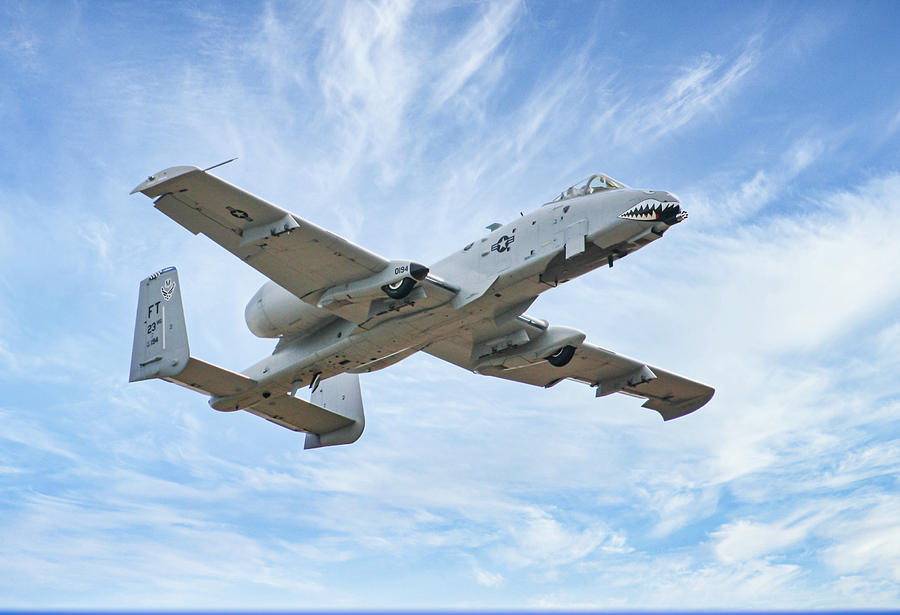
U.S. Air Force Extends A-10 Warthog’s Service Life to 2030
In a significant announcement, the U.S. Air Force has decided to extend the service life of the A-10 Thunderbolt II, commonly known as the “Warthog,” until 2030. This decision comes as a reprieve for the aircraft, which has been a vital component of close air support operations and was originally slated for retirement by 2026.
Air Force Secretary Troy Meink confirmed the extension through a social media post, emphasizing the importance of maintaining this aircraft in the fleet. He stated that the move is designed to “preserve combat power” at a time when the Defense Industrial Base is focused on enhancing production capabilities for combat aircraft.
The A-10 Warthog has earned a reputation for its durability and effectiveness in ground support roles, particularly in conflicts in the Middle East, including operations in Iraq and Afghanistan. Its unique design features, particularly its ability to operate in low-altitude environments and deliver precision firepower, have made it a favorite among ground troops.
The decision to keep the A-10 operational until 2030 aligns with ongoing discussions within the Pentagon regarding the future of military aircraft. While the Air Force looks to modernize its fleet, the Warthog’s proven capabilities in combat and its support of ground forces during critical missions have underscored its continued relevance.
The extension also reflects broader strategic considerations as the U.S. military faces evolving threats and challenges globally. The A-10’s continued presence in the Air Force’s inventory will provide flexibility and additional options for commanders engaged in ground support operations.
Advocates for the A-10 have long argued against its retirement, citing its unmatched performance in combat situations. The aircraft has been instrumental in close air support roles, providing critical assistance to ground forces and enhancing their operational effectiveness. Its distinctive GAU-8 Avenger cannon and ability to carry a variety of munitions make it an indispensable asset in the U.S. military’s arsenal.
As the Air Force moves forward with this extension, it also signals a commitment to maintaining a diverse and capable air fleet. The decision allows time for the integration of next-generation aircraft while ensuring that current capabilities remain robust in the face of potential threats.
In conclusion, the A-10 Warthog’s life extension until 2030 not only marks a victory for its supporters but also underlines the importance of balancing modernization efforts with the retention of proven, effective assets in the U.S. military’s operational framework. As the landscape of modern warfare continues to evolve, the A-10 will remain a crucial player in the U.S. Air Force’s strategy for the foreseeable future.