Panama Canal Sees Surge in Vessel Traffic Amid Middle Eastern Conflict
The Panama Canal Authority has reported a significant increase in vessel traffic as a result of ongoing conflicts in the Middle East, particularly the escalating tensions between the United States and Iran. According to the agency, this uptick in maritime activity is expected to persist until the geopolitical situation stabilizes.
Victor Vial, the finance chief of the Panama Canal Authority, addressed the media during a recent meeting, highlighting the impact of the conflict on shipping routes. Vial stated that since the onset of heightened tensions in October, the canal has experienced approximately 300 additional vessel crossings compared to the same timeframe last fiscal year. This notable rise in traffic underscores the canal’s critical role in global trade, especially during periods of instability in other regions.
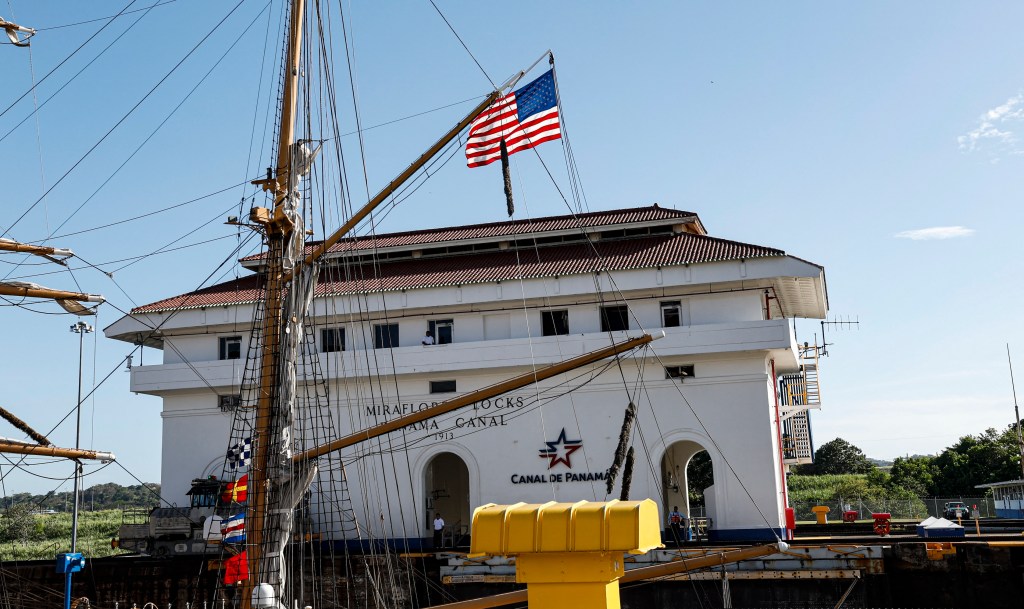
The Panama Canal serves as a vital conduit for international shipping, connecting the Atlantic and Pacific Oceans. It facilitates the passage of a diverse range of vessels, including cargo ships, tankers, and cruise liners. The current surge in traffic is attributed to shippers seeking alternative routes as the conflict in the Middle East disrupts traditional supply lines and raises concerns about security in the region.
Experts suggest that the increased use of the canal could be a strategic move by shipping companies to avoid potentially dangerous waters near the conflict zones. As tensions escalate, the Panama Canal offers a more secure passage for vessels transporting goods, including oil and other commodities essential for global markets.
The Panama Canal Authority has taken note of this trend and is preparing for continued growth in traffic. The agency is working to enhance its infrastructure and operational capacity to accommodate the rising number of vessels. Vial indicated that the authority is committed to ensuring smooth transit for all ships passing through the canal, despite the challenges posed by increased demand.
As the situation in the Middle East remains fluid, the Panama Canal is likely to play an even more significant role in global trade dynamics. The authority’s proactive measures aim to support the shipping industry during these uncertain times, reinforcing the canal’s position as a crucial link in international trade networks.
In light of these developments, shipping companies are closely monitoring the situation and adjusting their routes accordingly. The potential for continued instability in the Middle East could further influence shipping patterns, prompting ongoing reliance on the Panama Canal as a safe and efficient alternative.
As this conflict unfolds, the implications for global trade, particularly in regions heavily linked to the Middle East, will continue to evolve. The Panama Canal stands as a testament to the interconnectedness of international commerce and the adaptability of shipping industries in response to geopolitical challenges.