Pentagon Chief Spars with Democratic Lawmakers on Iran War
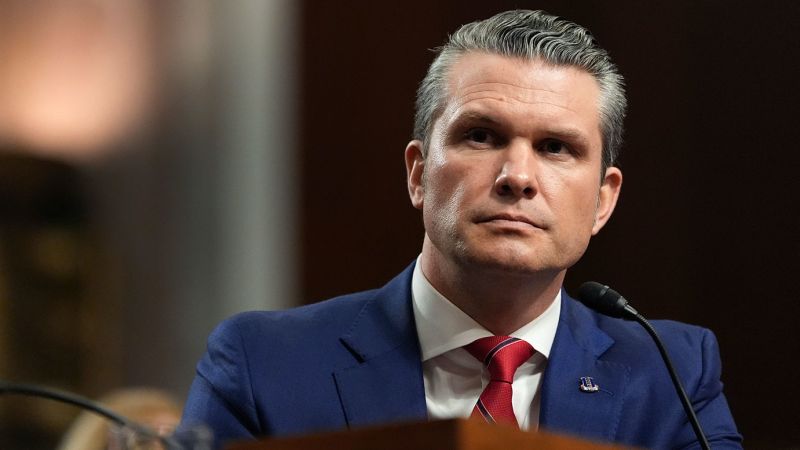
In a contentious appearance before the House Armed Services Committee, U.S. Defense Secretary Pete Hegseth engaged in a spirited exchange with Democratic lawmakers regarding the ongoing conflict with Iran. This marked Hegseth’s first testimony to Congress since the onset of hostilities initiated by President Donald Trump over two months ago.
Hegseth opened the session with a confrontational stance, asserting that the primary obstacle to success in the conflict is what he termed the “defeatist words of congressional Democrats and some Republicans.” His remarks set the tone for a heated discussion, as he defended the administration’s approach to the situation in Iran, which has been a focal point of political debate in recent weeks.
Democratic representatives challenged Hegseth on various aspects of the administration’s strategy, questioning the clarity and objectives of U.S. military action in the region. They expressed concerns about the potential for escalation and the implications for American troops and national security. Lawmakers sought assurances regarding the administration’s long-term goals and the measures in place to prevent further deterioration of the situation.
Throughout the hearing, Hegseth maintained that the U.S. military’s mission is crucial for national security and regional stability. He emphasized the need for a robust defense posture against Iranian aggression, highlighting ongoing threats posed by various Iranian-backed groups in the Middle East. Hegseth firmly rejected claims that the administration’s actions could lead to an unnecessary prolongation of conflict, insisting that the U.S. must remain resolute in its stance against Tehran.
Democratic lawmakers, however, expressed skepticism about the efficacy of the current approach, calling for a more diplomatic strategy to address the complexities of the situation. They emphasized the importance of engaging in dialogue with allies and regional partners to foster a more stable environment. The committee members voiced concerns that military escalation could exacerbate tensions and lead to unintended consequences.
As the hearing progressed, Hegseth reiterated the administration’s commitment to working with Congress, urging lawmakers to support military initiatives and funding that would enhance U.S. capabilities in the region. He called for unity among lawmakers to present a solid front against threats to American interests.
The exchange underscored the deep partisan divides on foreign policy issues, particularly regarding military engagement in the Middle East. As the situation in Iran continues to evolve, the testimony highlighted the critical need for transparent communication between the executive branch and Congress, especially in matters that could impact U.S. military strategy and international relations.
In conclusion, the hearing served as a pivotal moment in the ongoing dialogue about U.S. involvement in the Iran conflict, reflecting the complexities and challenges that lie ahead for policymakers navigating this sensitive geopolitical landscape.