Trump Suggests Possibility of Renewed Military Action Against Iran
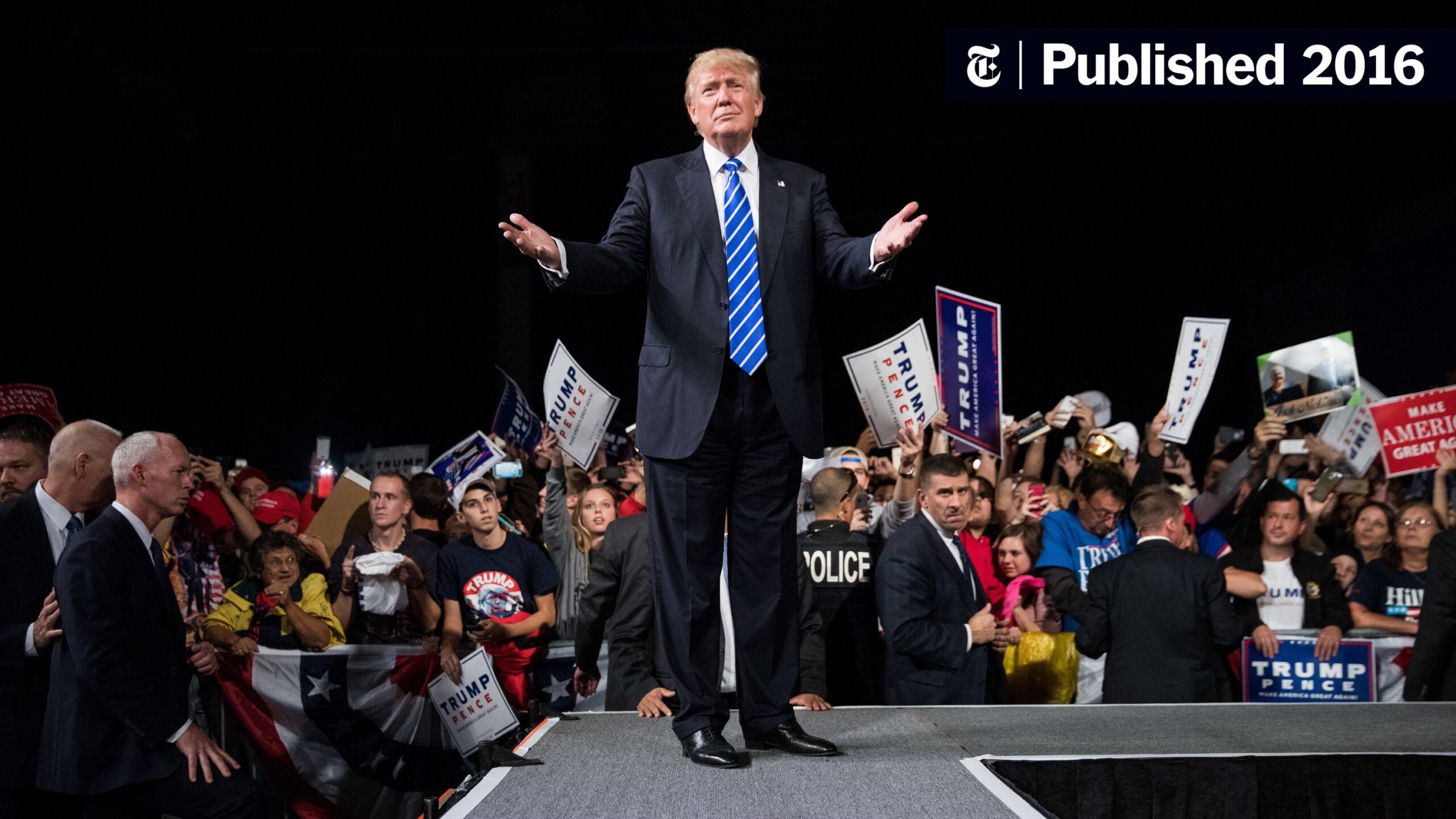
In a recent press interaction, former President Donald Trump indicated that the United States may consider resuming military strikes against Iran. Speaking to reporters in West Palm Beach, Florida, Trump addressed questions surrounding U.S. foreign policy and its stance toward the Middle Eastern nation.
While discussing the ongoing geopolitical tensions, Trump emphasized that the option of military action remains on the table. He refrained from providing specific details about any potential operations but acknowledged the seriousness of the situation. This statement comes amid heightened concerns regarding Iran’s nuclear program and its influence in the region.
Trump’s comments reflect a broader context of U.S.-Iran relations, which have been fraught with conflict since the U.S. withdrew from the Joint Comprehensive Plan of Action (JCPOA) in 2018. This agreement had aimed to limit Iran’s nuclear capabilities in exchange for sanctions relief. Following the U.S. exit, tensions escalated, resulting in a series of confrontations, including military engagements and retaliatory strikes.
Iran’s advancing nuclear program has drawn significant international scrutiny, with Western nations expressing alarm over the potential for a nuclear-armed Iran. The Biden administration has sought to revive negotiations to bring Iran back into compliance with the JCPOA, but progress has been slow, leading to frustrations on all sides.
The former president’s remarks may signal a shift in the political landscape as he continues to be a prominent figure in American politics. Trump’s administration was marked by a hardline approach toward Iran, characterized by sanctions and military posturing. His recent comments could resonate with his base, which has been critical of any perceived leniency toward Iran.
The prospect of renewed military action raises concerns among various stakeholders, including regional allies and international observers. Many fear that escalating military tensions could lead to a broader conflict in an already volatile region. Arab-American communities, in particular, are closely watching developments, as they may have significant implications for U.S. foreign policy in the Middle East and for the lives of people in Iran and its neighboring countries.
As the situation continues to evolve, the focus will likely remain on diplomatic efforts to mitigate tensions and prevent military confrontation. The international community awaits further developments, particularly in light of ongoing discussions regarding Iran’s nuclear ambitions and the potential for renewed negotiations.