Iran Proposes Shipping Deal in Strait of Hormuz Amid U.S. Discontent
In a significant development, Iran has put forward a proposal aimed at easing tensions in the strategically vital Strait of Hormuz. This initiative is designed to facilitate shipping operations in the region and to lift the U.S. blockade on Iran. However, this offer has not found favor with U.S. President Donald Trump, who expresses a preference for non-military solutions to the ongoing standoff.
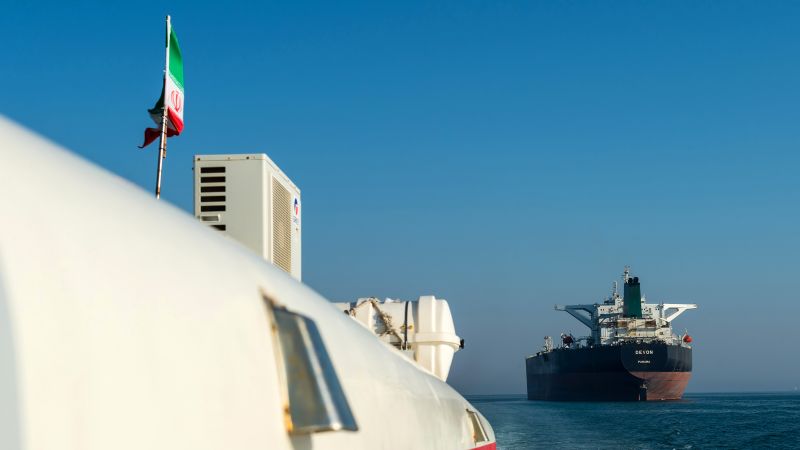
The Strait of Hormuz is a critical maritime corridor through which a substantial portion of the world’s oil supply is transported. Iran’s proposal includes a commitment to secure the shipping lanes while postponing discussions on its nuclear program to a later date. This move is seen as an attempt by Tehran to re-engage diplomatically and alleviate some of the economic pressures stemming from U.S. sanctions.
Despite the Iranian overture, President Trump has shown reluctance to accept the deal. In recent statements, he has emphasized the need for a comprehensive agreement that addresses not only Iran’s nuclear ambitions but also other concerns, including its regional influence and missile program. Trump’s administration has consistently maintained a hardline stance towards Iran, particularly following the U.S. withdrawal from the 2015 nuclear agreement.
Iran’s initiative comes at a time when tensions between the two nations have escalated, marked by a series of confrontations and military posturing in the region. The Iranian government has indicated that while it remains open to negotiations, it is also prepared to respond assertively to any threats against its sovereignty or security.
For the Iranian leadership, the proposal represents a dual strategy: seeking relief from crippling sanctions while signaling a willingness to engage in dialogue. Senior Iranian officials have suggested that the proposal could lead to a reduction in hostilities and an improved atmosphere for future negotiations, potentially paving the way for a broader agreement that addresses both nuclear and non-nuclear issues.
However, the path forward remains uncertain, as the U.S. administration continues to evaluate its options. While Trump has expressed a desire to avoid military conflict, the rejection of Iran’s offer signals the complexities involved in achieving a diplomatic solution. Analysts suggest that the lack of trust between the two nations poses significant challenges to any potential agreement.
As the situation evolves, both sides face mounting pressures from domestic and international stakeholders. Observers will be closely monitoring developments in the region, as the implications of Iran’s proposal could have far-reaching effects on global oil markets and geopolitical stability.