U.S. Military Takes Action Against Iranian Forces in the Strait of Hormuz
In a significant escalation of tensions in the Middle East, the U.S. military announced on Monday that it had successfully destroyed six Iranian small boats and intercepted multiple cruise missiles and drones launched by Iran. This military operation is part of a broader initiative, dubbed Project Freedom, aimed at ensuring safe passage for commercial shipping through the strategically vital Strait of Hormuz.
The Strait of Hormuz, a narrow passage that connects the Persian Gulf to the Arabian Sea, is a crucial route for global oil shipments, with a substantial percentage of the world’s oil trade passing through its waters. The heightened military activity comes in response to increased Iranian aggression in the region, which has included attempts to disrupt maritime traffic since February 28, when hostilities escalated following a conflict involving the U.S. and Israel.
U.S. President Donald Trump, who authorized the operation, emphasized the importance of maintaining open shipping lanes in the face of Iranian provocations. “We will not allow Iran to dictate terms in this critical waterway,” Trump stated during a press briefing. The operation aims to reinforce U.S. naval presence in the area and deter further Iranian actions that threaten international shipping.
The military engagement has sparked concerns of a broader conflict in the region, as both the U.S. and Iran continue to issue strong statements regarding their respective military capabilities. Iran’s leadership condemned the U.S. actions, vowing to retaliate against any perceived aggression. Iranian officials characterized the U.S. military presence as provocative and warned that such actions could lead to serious consequences.
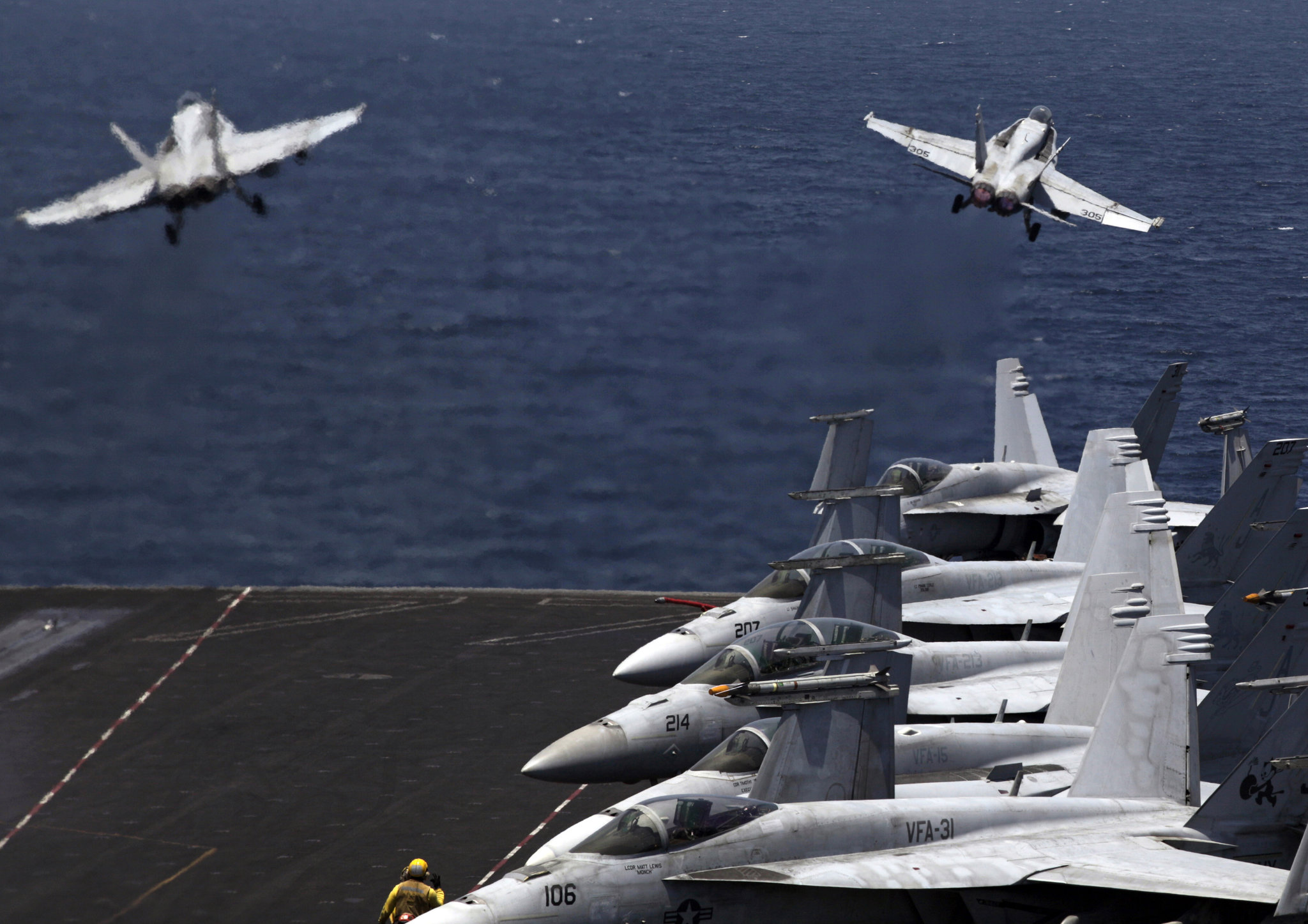
While the U.S. has positioned additional naval assets in the region, including aircraft carriers and support vessels, it remains committed to diplomatic solutions as well. American officials have reiterated that the goal of Project Freedom is to restore stability and security in the shipping lanes while also seeking dialogue with Iranian authorities to de-escalate tensions.
The international community is closely monitoring the situation, with various nations expressing concern about the potential for escalation. Analysts suggest that the ongoing military actions may further complicate efforts to negotiate a resolution to the long-standing issues between the U.S. and Iran, particularly regarding nuclear agreements and regional influence.
As the situation develops, it remains crucial for stakeholders in the region to consider the broader implications of military engagements and strive for solutions that prioritize peace and stability over conflict. The Strait of Hormuz remains a focal point for geopolitical dynamics, and any disruptions could have significant repercussions for global trade and security.