Trump Suspends Hormuz Military Operation in Effort for Iran Deal
In a surprising move, President Donald Trump announced on Tuesday that the United States military operation aimed at escorting commercial vessels through the Strait of Hormuz would be halted after just one day. This decision is part of a broader strategy to negotiate a deal with Iran to de-escalate tensions in the Middle East.
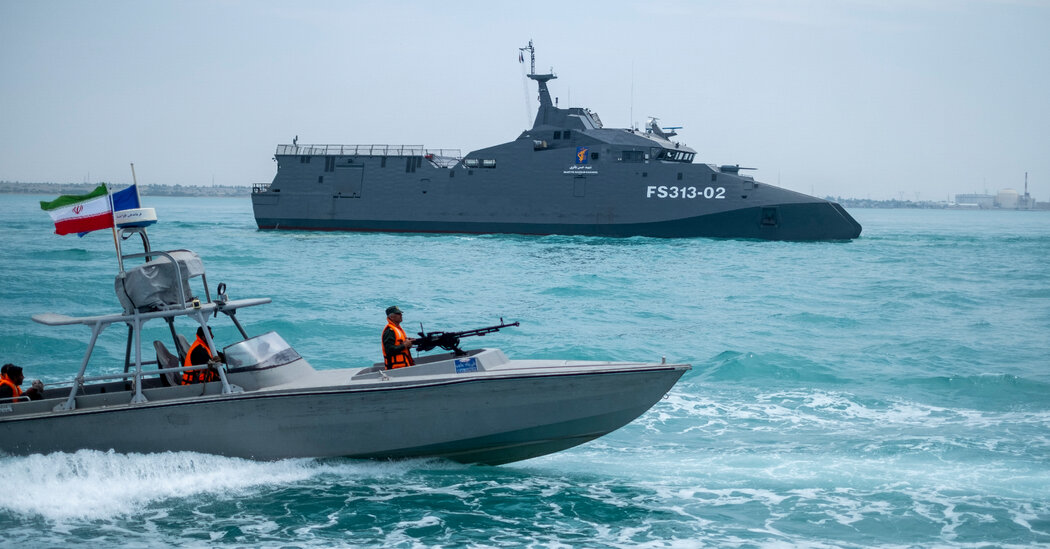
The operation, dubbed “Project Freedom,” commenced on Monday as a response to growing concerns about maritime security in the Strait of Hormuz, a critical waterway through which a significant portion of the world’s oil supply passes. This area has seen increased Iranian military activity, including the seizure of foreign vessels, which has raised alarms among various nations reliant on safe passage through the strait.
President Trump’s decision to pause the military initiative comes amid ongoing diplomatic efforts aimed at reducing hostilities in the region. The administration believes that engaging Iran through negotiations may lead to a more stable environment and ultimately help end the protracted conflicts that have plagued the Middle East for years.
The abrupt suspension of the military operation has garnered mixed reactions. Supporters of the pause argue that diplomacy is necessary to foster peace and prevent further escalation of military tensions. They emphasize that any military confrontation could have dire consequences not only for the U.S. but also for regional allies and global security.
Conversely, critics are concerned that halting the military presence might embolden Iran to continue aggressive actions against commercial shipping and other nations in the region. They argue that a strong military posture is essential to deter Iranian provocations and safeguard international trade routes.
In the lead-up to this decision, the U.S. has faced mounting pressure from lawmakers and international allies to adopt a more cautious approach in dealing with Iran. Some analysts suggest that the administration’s willingness to pivot towards negotiations indicates a recognition of the complexities of military engagement in the Middle East.
As the situation evolves, the administration is expected to clarify its diplomatic strategy and outline the next steps in its engagement with Iran. The outcome of these negotiations could have significant implications for U.S. foreign policy and regional stability moving forward.
The global community will be closely monitoring developments in the Strait of Hormuz, as the safety of maritime navigation remains a priority for nations reliant on this vital passage. As tensions continue to simmer, the effectiveness of diplomatic efforts will be crucial in determining the future of U.S.-Iran relations and the broader geopolitical landscape in the Middle East.