Hopes Rise for Iran Deal as U.S. Halts Maritime Guidance in Hormuz
In a significant shift in U.S. foreign policy concerning the Middle East, President Donald Trump announced the suspension of a controversial initiative aimed at guiding commercial vessels through the strategically vital Strait of Hormuz. This decision has been met with cautious optimism regarding the possibility of renewed negotiations with Iran, which have been stagnant for several weeks.
The move, dubbed “Project Freedom,” was intended to enhance maritime security in the region, particularly in light of escalating tensions between the U.S. and Iran. However, President Trump indicated that halting the project could pave the way for a more diplomatic approach. On his Truth Social platform, he expressed optimism, stating, “Great Progress has been made toward a Complete and Final Agreement” with Tehran, although he did not elaborate on the specifics of the negotiations.
The Strait of Hormuz is a crucial shipping lane, through which a significant portion of the world’s oil supply is transported. The area has witnessed increased military activity and confrontations in recent years, straining relations between Iran and Western nations. As such, any movement toward dialogue is noteworthy, particularly after a prolonged period where hostilities and mistrust dominated the interactions between the two sides.
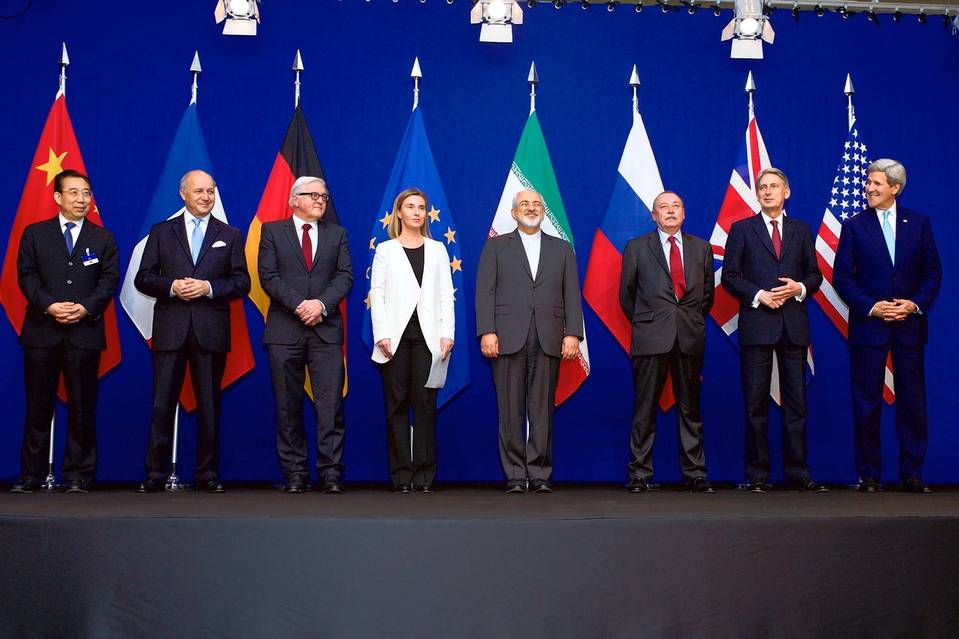
Key mediators in the Middle East have also noted the potential for constructive discussions to resume. Diplomatic channels that had previously been closed are now showing signs of reopening, leading to a renewed sense of hope for a comprehensive agreement that could address long-standing issues between the U.S. and Iran. Experts suggest that a peaceful resolution could have far-reaching implications for regional stability, impacting not only Iran but also neighboring countries.
While the announcement from the U.S. government has sparked optimism, it is essential to approach the situation with caution. The complexities of U.S.-Iran relations have historically been fraught with challenges, and previous attempts at negotiations have often ended in disappointment. Nonetheless, the current climate suggests that both sides may be more willing to explore diplomatic avenues than in the recent past.
As stakeholders monitor the situation closely, the international community is also watching for further developments. The potential for a breakthrough in talks could alter the geopolitical landscape in the Middle East, affecting not just the U.S. and Iran but also their respective allies and regional powers.
In conclusion, while the suspension of maritime guidance in the Strait of Hormuz offers a glimmer of hope for renewed dialogue, it remains to be seen whether this will lead to a sustainable and mutually beneficial agreement. The coming weeks will be crucial in determining the trajectory of U.S.-Iran relations and the broader implications for peace in the region.