Iran Responds to U.S. Peace Proposal Amid Regional Tensions
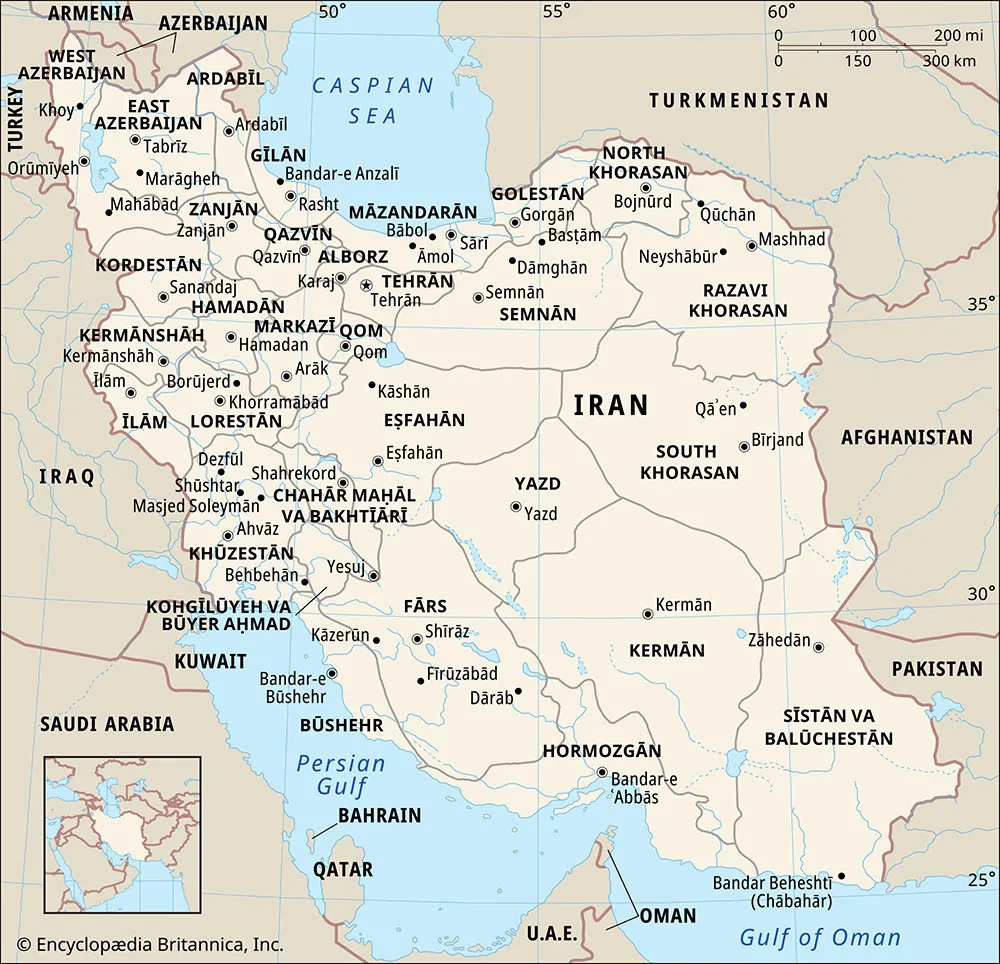
Iran has issued a response to the United States’ latest peace proposal, coinciding with escalating tensions in the Gulf region marked by recent drone attacks targeting multiple sites. This development underscores the fragile state of relations between Iran and the U.S., as well as the broader implications for regional stability.
The Iranian response arrived on Sunday, following a series of drone strikes that have raised alarms among Gulf nations. Tehran has asserted that it will not hesitate to retaliate against any new military actions by the U.S., illustrating its commitment to defending its sovereignty and interests. The backdrop of this situation includes a long-standing conflict that has seen the U.S. and Israeli forces working in tandem against Iranian targets for several months.
Israeli Prime Minister Benjamin Netanyahu has voiced strong opposition to Iran’s nuclear program, emphasizing that any peace agreement would be contingent upon the complete dismantling of Iran’s enriched uranium stockpile and its nuclear facilities. Netanyahu’s remarks reflect a broader concern shared by some Western nations regarding Iran’s potential to develop nuclear weapons capability. He has reiterated that the conflict with Iran will only be resolved when these nuclear threats are neutralized.
Despite the pressure from the U.S. and its allies, Iranian officials have maintained a defiant stance. They argue that their nuclear program is intended for peaceful purposes, and any military actions or sanctions imposed by the U.S. and its allies are viewed as acts of aggression. Iran’s leadership has called for diplomatic engagement but insists that it will not compromise on issues it sees as vital to its national interests.
Behind the scenes, diplomatic efforts continue, as both sides navigate a complex landscape of negotiations and potential agreements. The U.S. peace proposal aims to address longstanding grievances and establish a framework for future relations, yet the response from Tehran indicates significant hurdles remain. Analysts suggest that any viable agreement would require concessions from both sides, particularly in areas related to security and economic sanctions.
As tensions simmer in the Gulf, the situation remains dynamic and unpredictable. The potential for military escalation continues to loom, as both Iran and the U.S. weigh their options. Observers from the Arab-American community are closely monitoring these developments, given their implications for regional security and the broader geopolitical landscape. The hope for a peaceful resolution remains, but the path forward appears fraught with challenges.