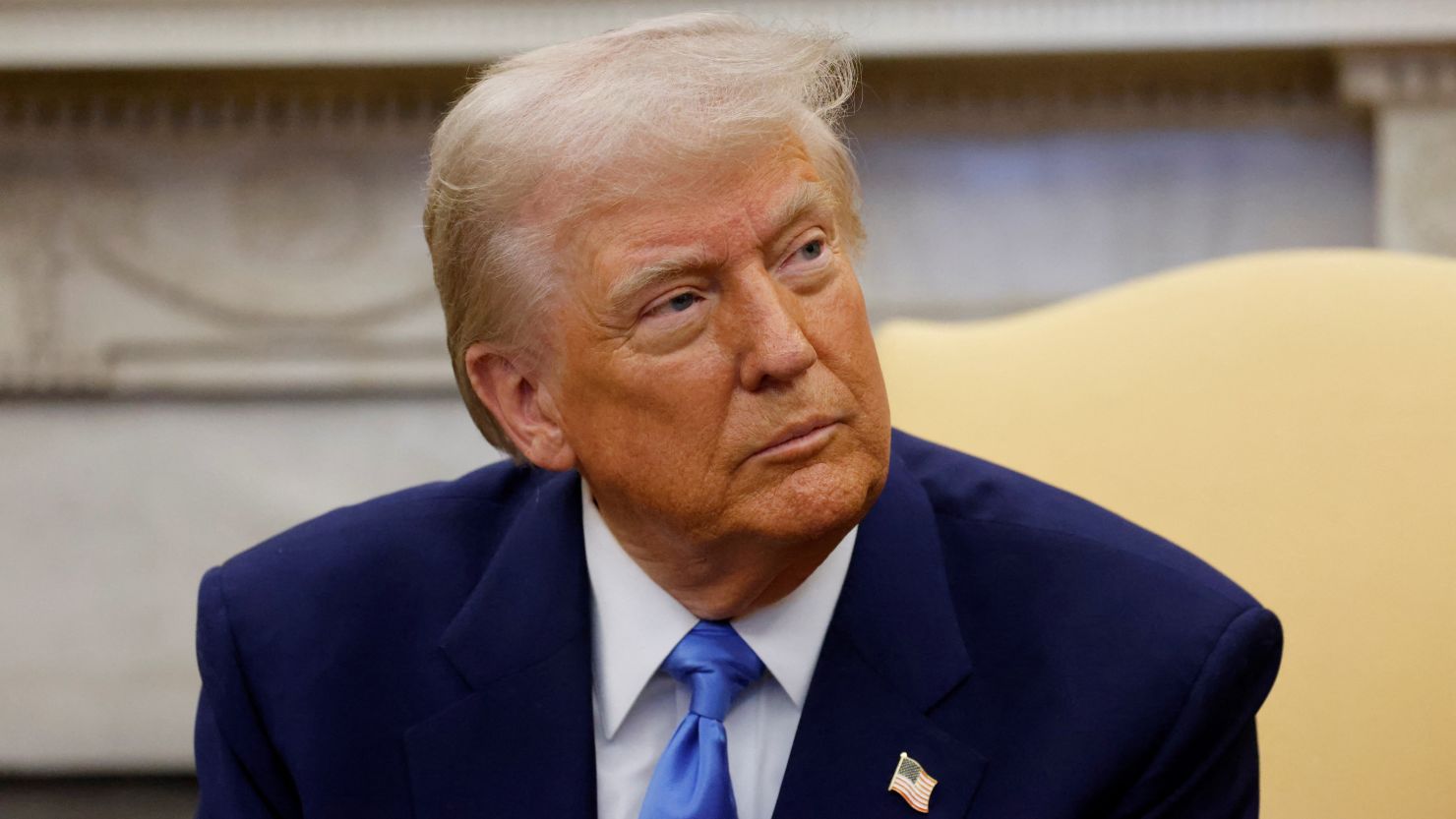
Trump and Xi to Engage in Crucial Talks Covering Multiple Global Issues
In a highly anticipated diplomatic engagement, U.S. President Donald Trump and Chinese President Xi Jinping are scheduled to meet to address a range of pressing global issues, including Iran, Taiwan, artificial intelligence, and nuclear weapons. This meeting signifies the first in-person dialogue between the leaders of the world’s two largest economies in over six months, offering a critical opportunity to address strained relations.
The discussions will occur against a backdrop of various geopolitical tensions. The ongoing conflict involving Iran, particularly concerning its nuclear program, has been a focal point of U.S. foreign policy, with implications for both security and trade. Furthermore, the situation in Taiwan remains a significant concern, with increasing military activity in the region raising alarms about stability and peace.
Additionally, the talks will cover advancements in artificial intelligence, a field that has become a central battleground for technological supremacy between the United States and China. Both nations are keen to assert their dominance in AI, which has far-reaching implications for economics, security, and societal change.
U.S. officials have indicated that the leaders may also discuss the extension of a key minerals agreement, critical for both nations’ industries and technological sectors. This deal involves the supply of essential materials necessary for the production of various high-tech and green energy products, underscoring the intertwined nature of their economies.
As the global landscape continues to evolve, the outcomes of these discussions could have far-reaching effects. The relationship between the U.S. and China has been characterized by both competition and cooperation, with trade disputes and diplomatic rifts often complicating matters. The leaders’ ability to navigate these complexities during this meeting will be closely monitored by international observers.
Analysts suggest that a productive dialogue could pave the way for improved relations, fostering collaboration in areas of mutual interest while managing contentious issues. However, the stakes are high, and the leaders must balance competing national interests with the need for stability in international relations.
As the world watches, the meeting between Trump and Xi represents not just a bilateral discussion but a pivotal moment that could influence global dynamics in the coming years. The outcomes may impact not only the U.S. and China but also the broader international community, especially in regions directly affected by the issues on the agenda.