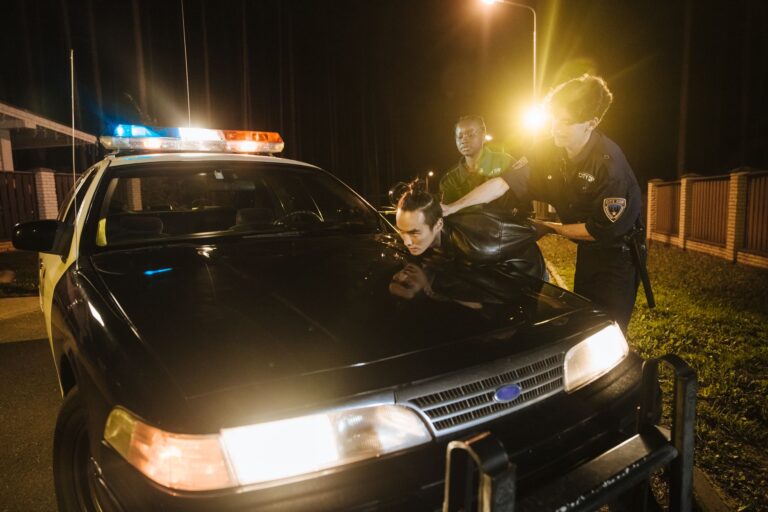
Little Italy Neighborhood Debates Funding for Additional Police Patrols
In the heart of Cleveland, the Little Italy neighborhood is engaged in a contentious discussion regarding the establishment of a new taxing district aimed at funding additional police patrols and cleanup crews. While some residents see this initiative as a necessary step to enhance safety and community upkeep, others are expressing concerns about the implications of taxation without adequate representation.
The push for a dedicated taxing district comes as a response to rising crime rates and a perceived need for increased security measures. Proponents argue that hiring private police forces will help deter criminal activity and foster a sense of safety among residents and visitors alike. Additionally, they believe that improved cleanliness and maintenance will benefit local businesses and enhance the overall quality of life in the neighborhood.
Supporters of the plan have been vocal about their desire for a more visible police presence. They argue that with the added funding, the community can invest in private patrols that would complement the efforts of the Cleveland Police Department. This would not only provide immediate support but also help build a stronger relationship between law enforcement and the community.
However, the proposal has not been without its critics. Some residents are concerned about the fairness of imposing new taxes, particularly when they feel that the decision-making process lacks transparency. Many have voiced their belief that the community should have a stronger say in how funds are allocated and that the current proposal could lead to a situation where a minority of voices dictate financial burdens for the entire neighborhood.
Opponents have also raised questions about the effectiveness of private policing compared to public law enforcement. They worry that relying on private entities may lead to inconsistencies in how safety and security are enforced, and could potentially create divisions within the community. Additionally, there are concerns that funding private patrols might divert resources away from essential city services that benefit all residents, regardless of the established taxing district.
As the debate unfolds, community meetings are being held to gather input from residents. Local leaders are encouraging participation, hoping to find common ground that addresses the need for safety while also respecting the wishes of all community members. The discussion is expected to continue in the coming weeks as residents weigh the benefits of enhanced security against the implications of new taxes.
Ultimately, the Little Italy neighborhood stands at a crossroads, facing the challenge of balancing safety, representation, and community involvement in decision-making processes. As the dialogue progresses, the outcomes of these discussions could shape the future of not only Little Italy but also set a precedent for other neighborhoods in Cleveland considering similar measures.