Understanding the Situation of Israeli Bases in Iraq
Recent statements from Iraqi officials indicate that the country has successfully cleared its territory of hostile forces, raising questions about the implications for regional security and the presence of foreign military bases. Among the key discussions has been the existence of secret Israeli bases within Iraq, a topic that has garnered significant attention and speculation.
Iraqi authorities have publicly declared that there are no remaining hostile factions operating within their borders, suggesting a stabilization of security within the nation. This announcement comes in the wake of ongoing concerns regarding the activities of various militant groups in the region, some of which have been linked to external influences.
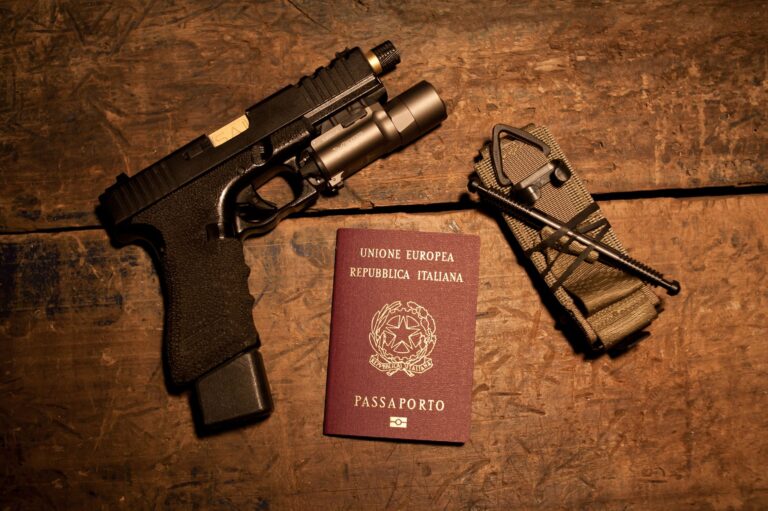
Reports have surfaced in recent months alleging that Israel has established covert military bases in Iraq, purportedly aimed at monitoring Iranian activities and countering threats from Iranian-backed militias. These bases are said to be strategically located to provide Israel with a tactical advantage in a region often fraught with tension. However, the Israeli government has not confirmed the existence of such facilities and typically maintains a policy of ambiguity regarding its military operations in the region.
The prospect of Israeli bases in Iraq raises critical questions about the political landscape and the balance of power in the Middle East. Iraqi officials emphasize their sovereignty and the need to manage their own security without external interference. This sentiment resonates with many Iraqi citizens who have historically viewed foreign military presence with skepticism, given the country’s tumultuous past involving various invasions and occupations.
The Iraqi government has been working to strengthen its military capabilities and enhance its defense infrastructure. This includes collaboration with international partners to ensure that its borders are secure and that any remaining threats are effectively neutralized. As Iraq continues to rebuild and stabilize, the potential for foreign military bases could become a contentious issue, particularly if they are perceived as infringing upon national sovereignty.
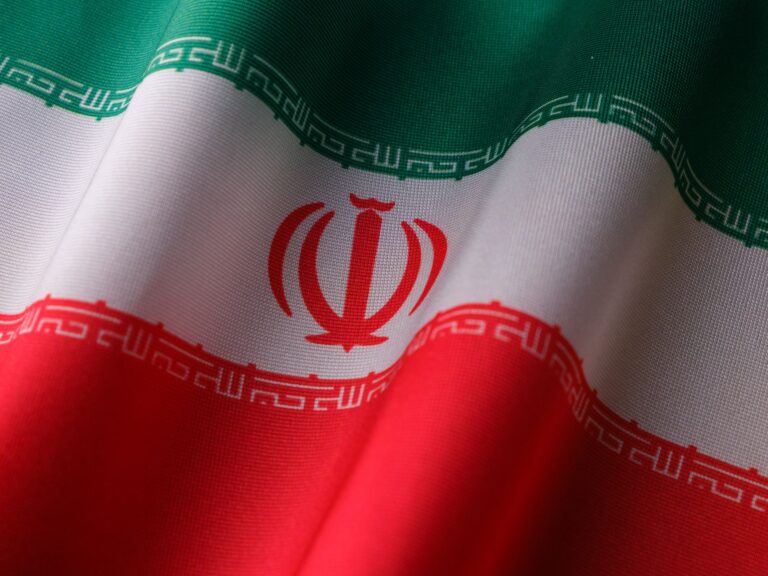
Moreover, the geopolitical dynamics in the region are complex, with Iran’s influence in Iraq being a significant factor in discussions about security and military presence. The relationship between Iraq and Iran is multifaceted, involving historical ties as well as current political and economic interactions. As Iraqi leaders navigate these relationships, the presence of any foreign military, including Israeli forces, could complicate their diplomatic efforts.
In conclusion, while Iraqi authorities assert that there are no hostile forces remaining in their territory, the question of Israeli military bases remains a sensitive and significant topic. The implications of such bases, if they exist, on Iraq’s sovereignty and regional security will continue to be closely monitored by both local and international observers as the situation evolves.