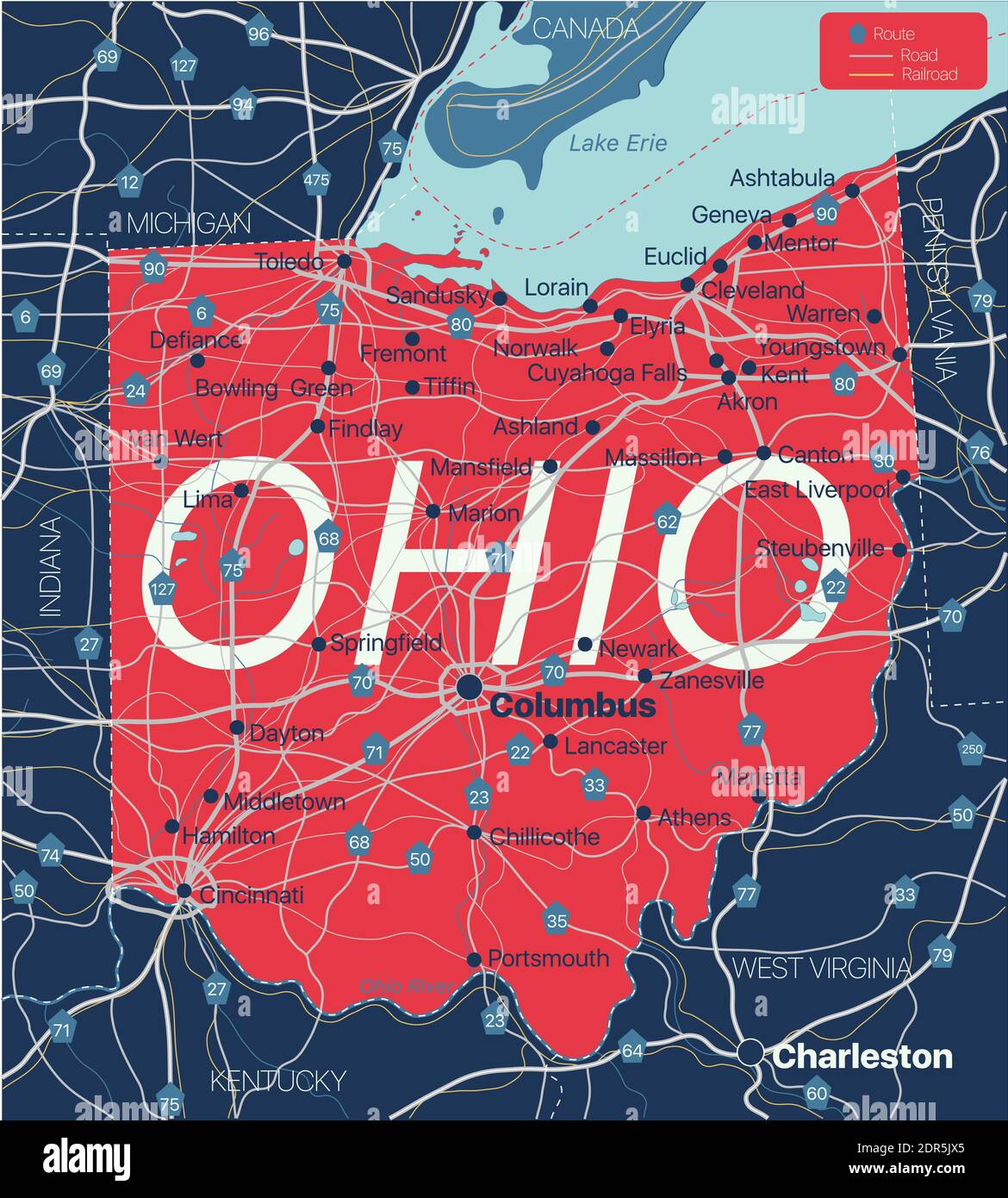
Gas Stations and Truck Stops Celebrate Legislative Win Against Utility Competition in EV Charging
In a significant move for gas stations and truck stops across Ohio, the state House voted to advance a bill that aims to restrict electric utilities from entering the electric vehicle (EV) charging market. This decision, made on Wednesday, has garnered attention amidst growing discussions on the future of transportation and energy sources.
The legislation, which passed with bipartisan support, is seen as a protective measure for traditional fuel providers. Proponents argue that allowing utility companies to operate EV charging stations could stifle competition and create an uneven playing field. They assert that existing gas stations are well-positioned to expand into EV charging, ensuring that consumers have a variety of options for fueling their vehicles.
Supporters of the bill emphasize the importance of maintaining a competitive market. They argue that gas stations and truck stops, which have long been providers of fuel to motorists, should have the opportunity to adapt to the changing landscape of transportation. By limiting utility involvement, the bill aims to empower these businesses to invest in and develop EV charging infrastructure.
However, the legislation has not been without its critics. Some lawmakers have raised concerns about the potential drawbacks of restricting utility companies from participating in the EV charging sector. They argue that utilities could bring valuable resources and expertise to the table, potentially accelerating the expansion of charging networks across the state. There are fears that limiting competition could slow down the transition to electric vehicles, especially as more Ohioans consider making the switch to cleaner transportation options.
The bill’s passage represents a significant moment in Ohio’s evolving energy and transportation policy. With electric vehicles gaining popularity, the demand for accessible charging stations is likely to increase. The outcome of this legislative decision will play a critical role in shaping how Ohio addresses the growing need for EV infrastructure.
As the state moves forward, the focus will likely shift to how existing gas stations and truck stops can adapt to incorporate EV charging stations into their offerings. The future of transportation in Ohio may increasingly hinge on the balance between traditional fuel providers and the emerging electric vehicle market.
In the coming weeks, attention will turn to the Senate, where the bill will be reviewed. The outcome will determine whether Ohio will maintain its current stance on utility participation in EV charging or reconsider the role of utilities in this rapidly changing landscape. As discussions continue, both supporters and opponents are poised to make their voices heard, ensuring that the implications of this legislation resonate throughout the state’s energy and transportation sectors.