Trump Describes Iran Negotiations as ‘On the Borderline’
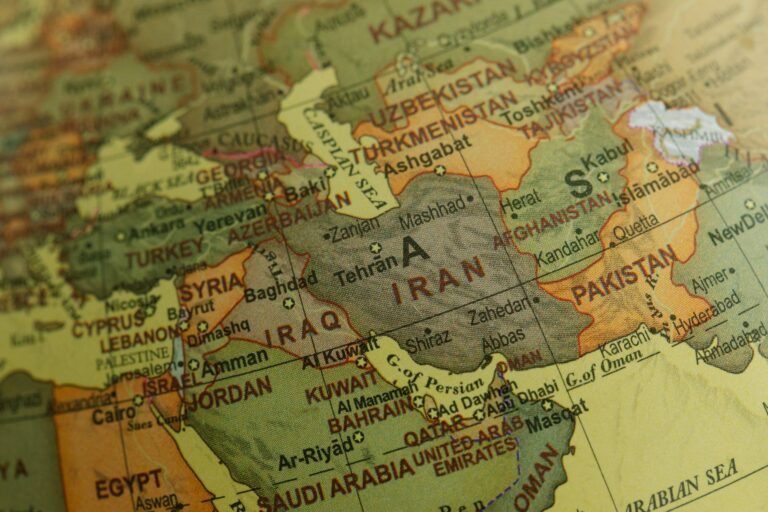
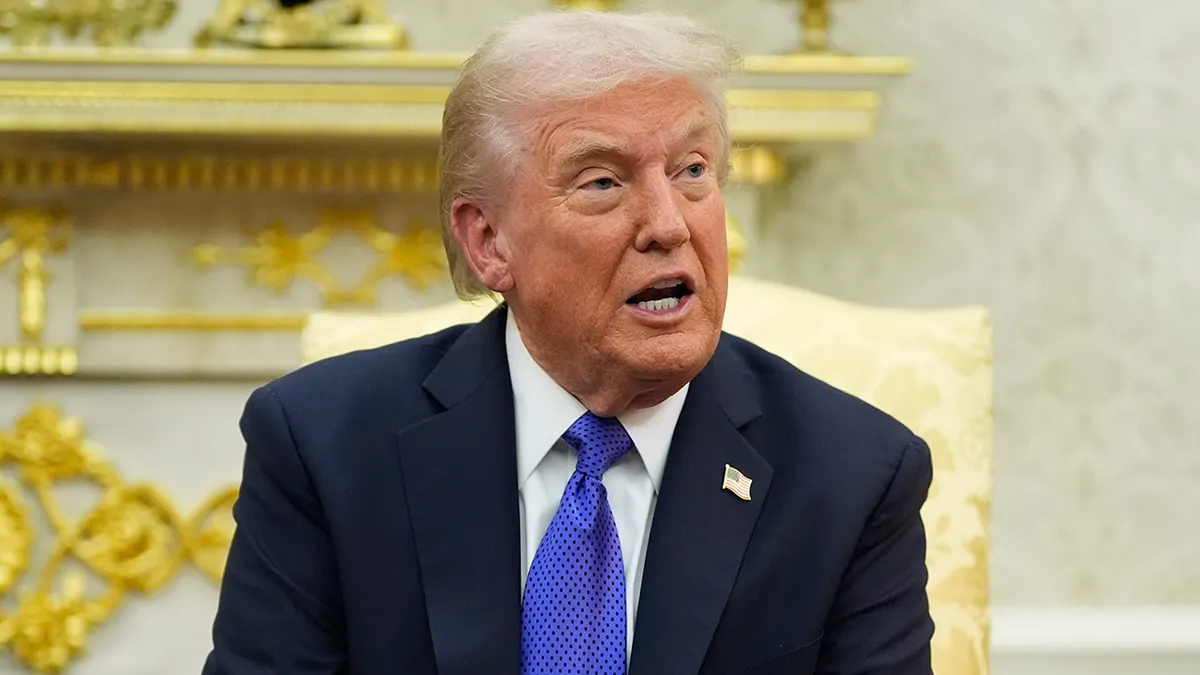
In recent statements, President Donald Trump characterized ongoing discussions with Iran as “on the borderline,” reflecting a tense situation that could either lead to a peace agreement or escalate into renewed military action. His comments, made at Joint Base Andrews, highlight the precarious nature of U.S.-Iran relations, particularly amid ongoing conflicts in the Middle East.
This revelation follows Trump’s announcement earlier in the week, where he indicated a temporary halt to military strikes against Iran. This decision was made in an effort to provide space for diplomatic negotiations, a move that has drawn a mixed response from various political factions and analysts alike.
Trump’s remarks signal the complexity of the current diplomatic climate, where optimism and threats coexist. While the President expressed hope for a potential agreement, he has also reiterated his readiness to take military action if negotiations do not yield favorable results. “It’s right on the borderline, believe me,” he emphasized when pressed by reporters about the state of the talks.
The backdrop of these discussions is rooted in longstanding tensions between the U.S. and Iran, particularly following the U.S. withdrawal from the Joint Comprehensive Plan of Action (JCPOA) in 2018. Since then, relations have deteriorated, with both nations engaging in a series of provocations and retaliations that have raised the specter of a broader conflict.
Supporters of the administration argue that a firm stance is necessary to deter Iranian aggression and protect U.S. interests in the region. However, critics caution that an escalation in military actions could further destabilize the area and lead to unintended consequences. The potential for a negotiated settlement is seen as a crucial step toward de-escalation, yet the path forward remains fraught with challenges.
The international community is closely monitoring the situation, as any significant development could impact not only U.S.-Iran relations but also the broader dynamics of the Middle East. Countries in the region, particularly those directly affected by Iranian influence, are watching to see how the U.S. will navigate this delicate situation.
In the coming weeks, the outcomes of these negotiations will be pivotal. Whether the talks can transition from a state of uncertainty to a framework for peace will depend on the willingness of both sides to engage in meaningful dialogue. As the situation evolves, the implications for regional security and stability remain a critical concern for leaders and citizens alike.