Erdogan’s CHP Move Raises Early Poll Prospects as Iran War Bleeds Turkey’s Economy
Recent developments in Turkey, particularly a legal action against the main opposition party, the Republican People’s Party (CHP), have sparked speculation about the potential for early elections. This situation is compounded by the economic strain Turkey is facing, largely due to the ongoing conflict in Iran, which has exacerbated existing financial challenges and heightened public discontent.
The Turkish judiciary has initiated proceedings against the CHP, which critics argue may be an attempt to undermine the party ahead of any electoral contest. The CHP has historically been a significant rival to President Recep Tayyip Erdogan’s ruling Justice and Development Party (AKP). Observers suggest that this legal maneuver could be a strategic move to consolidate Erdogan’s power and extend his tenure amid a fraught political landscape.
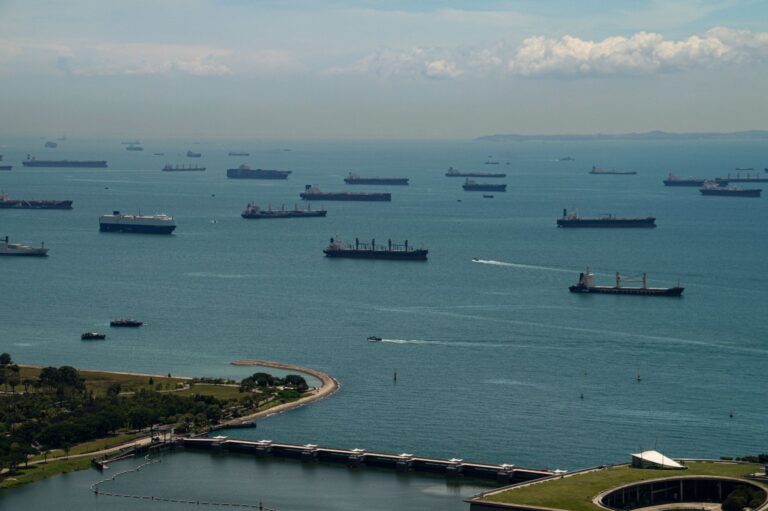
As Turkey navigates rising inflation and a weakening currency, the consequences of the Iran conflict are becoming increasingly apparent. The war has disrupted trade routes and heightened regional instability, leading to increased costs for essential goods and services. Many Turkish citizens are feeling the pinch of these economic pressures, which could influence their voting behavior in any upcoming elections.
Political analysts are closely monitoring these developments as they speculate on the potential for Erdogan to call for early elections. Given the current state of the economy and the opposition’s legal challenges, Erdogan may see an opportunity to secure his position while the opposition is perceived as weakened. However, this strategy carries risks, as voter sentiment could shift dramatically if economic conditions continue to deteriorate.
In addition to the economic factors, there are broader implications for Turkish democracy. The legal action against the CHP raises concerns among civil rights advocates about the state of political freedoms in Turkey. Many fear that such moves could stifle dissent and limit the democratic process, which is already under strain from various governmental pressures.
As the situation evolves, the potential for early elections looms over the Turkish political landscape. Erdogan’s government faces the dual challenge of addressing economic woes while managing political opposition in a way that maintains its hold on power. The outcome of this delicate balancing act will likely have significant implications for Turkey’s future direction, both domestically and in its role in regional geopolitics.
In summary, the combination of legal actions against the CHP and the economic fallout from the Iran conflict creates a complex scenario for Turkey. Whether these factors will lead to early elections remains to be seen, but the potential for significant political change is palpable as citizens grapple with the realities of their economic situation and the state of their democracy.