Iran and US Officials Report Progress Towards Potential Talks Breakthrough
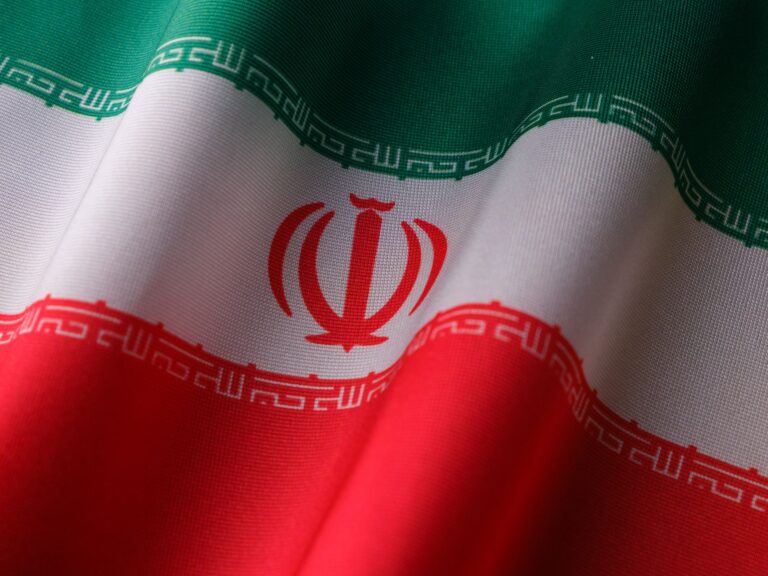
In a significant development in Middle Eastern diplomacy, senior officials from the United States and Iran have indicated that they may be nearing a crucial breakthrough in negotiations aimed at drafting a deal to address ongoing conflicts in the region. This announcement comes amidst a backdrop of escalating tensions and long-standing disputes.
During discussions held over the weekend, Iranian representatives acknowledged that while progress has been made, substantial gaps remain between the two nations. Notably, Iran emphasized that discussions surrounding its nuclear program would not be included in the initial phases of these talks, suggesting a focused approach on other pressing issues in the region.
U.S. Secretary of State Marco Rubio expressed a sense of optimism regarding the potential for an agreement. His remarks reflect a growing belief that diplomatic channels may be opening, which could lead to a resolution of conflicts that have plagued the Middle East for years. Rubio’s comments were made shortly after General Syed Asim Munir, the army chief of Pakistan, concluded a two-day visit to Tehran. General Munir has been acting as a key intermediary in these discussions, highlighting Pakistan’s role in facilitating dialogue between the U.S. and Iran.
The potential breakthrough comes at a crucial time, as both nations grapple with internal and external pressures. The ongoing war in the Middle East has not only strained regional stability but has also raised concerns among global powers regarding security and humanitarian crises. The U.S. and Iran have historically had a tumultuous relationship, marked by sanctions, military confrontations, and profound distrust, particularly regarding Iran’s nuclear ambitions.
While the optimism surrounding these talks is palpable, it is important to note that significant challenges remain. Issues such as military engagements, regional alliances, and economic sanctions will require careful negotiation and compromise. Experts warn that the absence of dialogue on Iran’s nuclear program could complicate future discussions, as this issue has been at the forefront of U.S.-Iran relations for years.
As the situation evolves, stakeholders from various sectors, including diplomatic, economic, and humanitarian organizations, will be closely monitoring the developments. The outcome of these talks could have far-reaching implications, not just for Iran and the United States, but for the broader Middle East and the international community as a whole.
In summary, while there are positive signs of potential progress in U.S.-Iran negotiations, the path forward is fraught with complexities that will require sustained commitment and collaboration from both parties. The coming days and weeks will be critical in determining whether this diplomatic initiative can translate into meaningful outcomes.