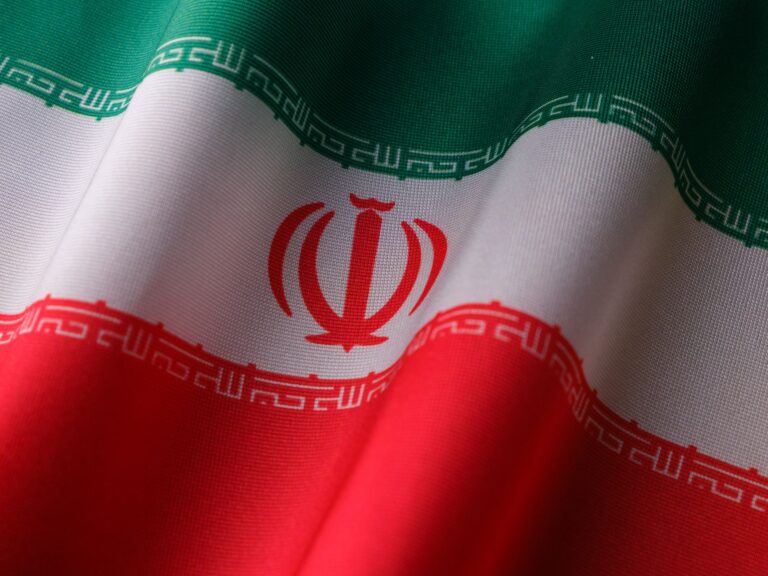
Iran’s Tasnim News Agency Reports Conditions for Reopening Strait of Hormuz
In a significant development regarding regional maritime security, Iran’s Tasnim news agency has reported that the Strait of Hormuz, a critical passage for global oil shipping, will remain closed until certain conditions are met. According to a source close to Iran’s negotiating team, the waterway will not be reopened until the ceasefire in Lebanon is upheld and specific waivers for Iranian oil sales are issued.
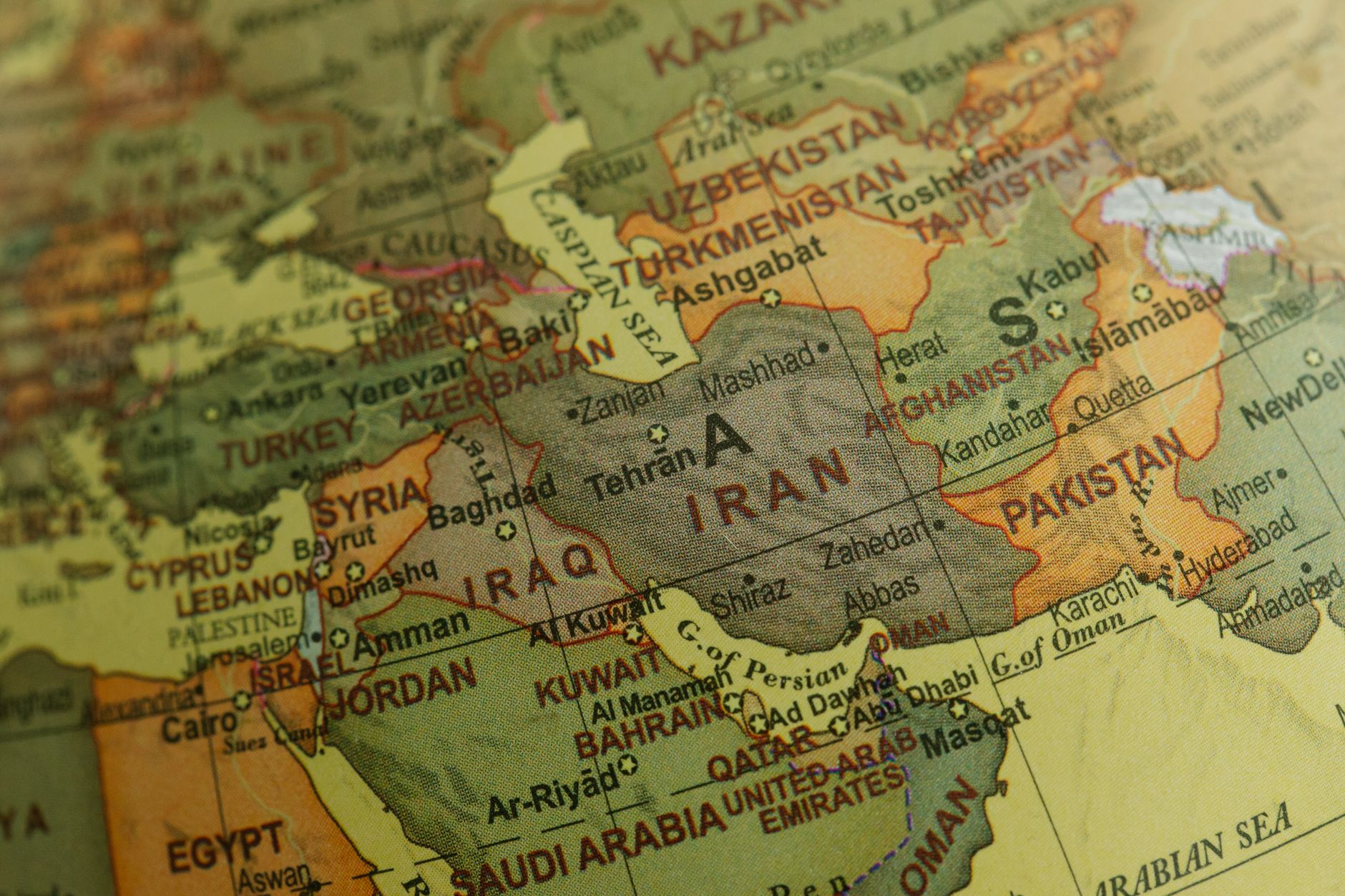
The Strait of Hormuz is a vital artery through which approximately one-fifth of the world’s oil supply is transported. This strategic chokepoint has been a focal point of geopolitical tensions, particularly concerning Iran’s oil exports and the broader implications for global energy markets.
The reported conditions highlight the interconnectedness of regional conflicts and their ripple effects on international trade. The ceasefire in Lebanon, which has been fragile at best, is a key factor influencing Iran’s decision-making regarding the Strait. The source emphasized that the reopening of the waterway is contingent on adherence to the ceasefire, indicating that ongoing hostilities could lead to further disruptions.
Additionally, the issue of oil waivers is pivotal for Iran, particularly as the nation faces severe economic sanctions that have significantly impacted its oil revenue. The source indicated that the reopening of the Strait is linked to the issuance of waivers that would permit the sale of Iranian oil, which has been largely restricted under international sanctions. These waivers would allow Iran to engage more freely in the global oil market and potentially alleviate some of the economic pressures it faces.
The situation remains fluid, and the implications of these developments could reverberate throughout the Middle East and beyond. Energy analysts are closely monitoring the situation, as any prolonged closure of the Strait of Hormuz could lead to increased oil prices and heightened tensions in an already volatile region.
As negotiations continue, the international community is urged to pay attention to the dynamics at play in Lebanon and Iran, as well as the broader implications for regional stability and energy security. The outcome of these negotiations could have significant impacts on oil supply chains and the geopolitical landscape in the Middle East.
In conclusion, the report from Tasnim news agency underscores the complexity of the situation in the Strait of Hormuz, where local conflicts and international economic policies intertwine. The global community awaits further developments as stakeholders work towards a resolution that ensures both regional peace and stability in oil markets.