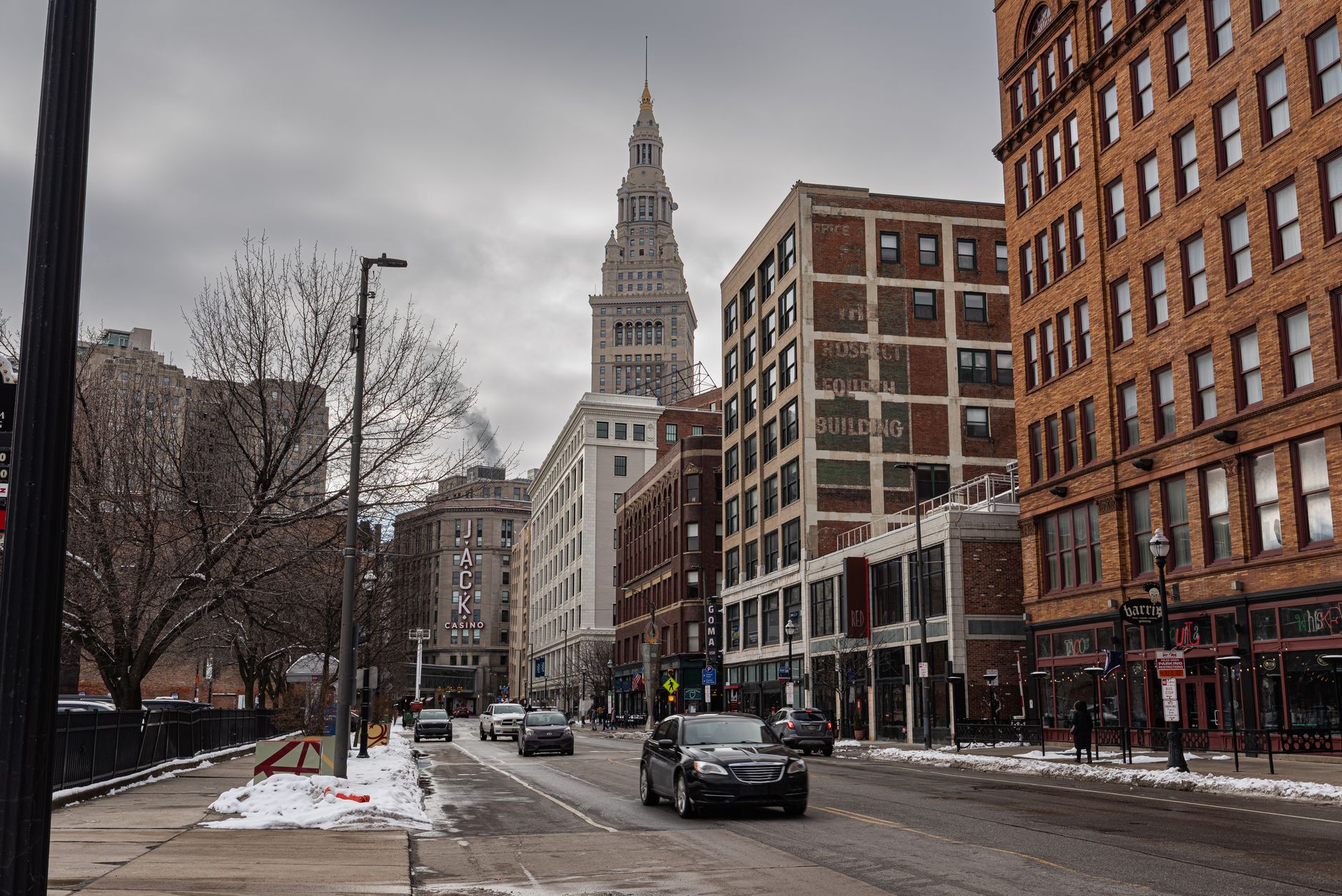
Cuyahoga County Faces Pressure for Increased Sales Tax to Fund Stadium Repairs
Cuyahoga County, already home to Ohio’s highest sales tax rate, is now confronting proposals that could raise it even further as local sports team owners seek funds to address critical repairs at their stadiums. The discussion centers around the need for significant renovations that aim to enhance fan experiences while ensuring the facilities meet modern standards.
Currently, Cuyahoga County has a sales tax rate of 8%, which is the highest in the state. Team owners argue that the aging infrastructure of both the baseball stadium and the arena requires immediate attention, suggesting that increased revenue from a higher sales tax could be the solution. However, this proposal has met with considerable resistance from local leaders and residents who are wary of additional financial burdens.
Critics of the sales tax hike argue that it would disproportionately affect low- and middle-income families in the area, already facing economic challenges. Instead, some policymakers are advocating for alternative funding mechanisms, such as increasing the admissions tax levied on tickets for sporting events. This approach would place the financial responsibility on those attending games and events, as well as the owners of the teams benefiting from the facilities.
The admissions tax increase has gained traction among local officials who believe it provides a fairer method of financing the necessary renovations. By placing the burden on event attendees and team owners, the tax could alleviate some of the fiscal pressure from the general public. This proposal is seen as a more equitable solution, as it directly targets those who benefit from the stadiums rather than the wider community.
Supporters of the admissions tax increase argue that it could generate substantial revenue, which would not only fund repairs but could also be used to create jobs and boost the local economy. They highlight that investing in the stadiums could enhance Cleveland’s appeal as a destination for sports fans and tourists alike, ultimately benefiting local businesses.
As discussions continue, local leaders are urging transparency and community involvement in the decision-making process. Public forums and town hall meetings are being organized to gather feedback from residents on the proposed funding methods.
Cuyahoga County’s dilemma illustrates a broader challenge faced by municipalities across the nation, where aging sports facilities are in dire need of upgrades. As stakeholders weigh the options, the community remains engaged in the conversation, eager to find a solution that balances revitalizing sports venues with the economic realities faced by residents.