US Seeks Negotiation with Iran, Emphasizing Firm Stance on Terms
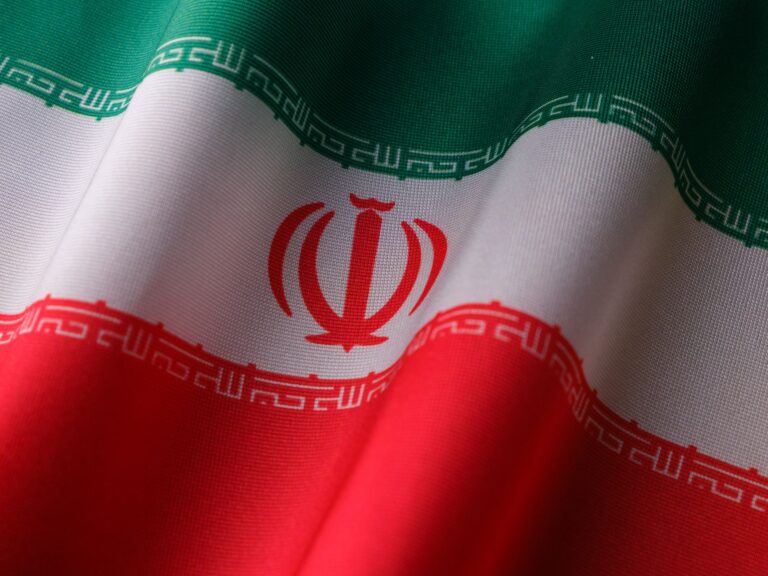
In a recent diplomatic address, U.S. Secretary of State Marco Rubio articulated the Biden administration’s commitment to engaging in negotiations with Iran, but he underscored that any agreement must adhere to strict boundaries. Speaking from Bahrain, Rubio conveyed that the U.S. will not compromise on critical issues, particularly in relation to Iran’s activities in the strategically vital Strait of Hormuz.
Rubio expressed concerns over Iran’s potential to levy fees for passage through the Strait, a major waterway for global oil shipments. He warned that acquiescing to such demands could lead to “total chaos” in the region, emphasizing that the U.S. remains vigilant about the implications of Iran’s maritime actions. The Strait of Hormuz is a crucial chokepoint, with a significant percentage of the world’s oil supply transiting through it, and any destabilization could have widespread consequences.
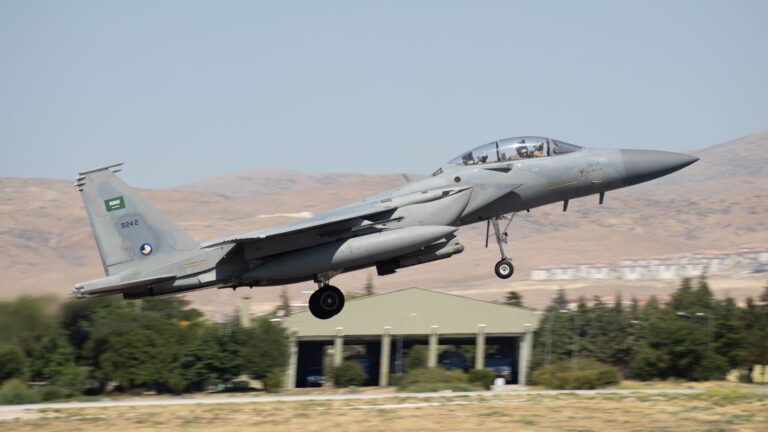
This statement comes amidst heightened tensions in the Middle East, following a series of military actions initiated by a U.S.-Israeli coalition against Iran since late February. The coalition’s strikes aimed at curtailing Iran’s influence and military capabilities in the region have heightened concerns among Gulf states, prompting U.S. officials to reassure allies of America’s steadfast commitment to regional security.
During his visit, Rubio met with key leaders from Gulf Cooperation Council (GCC) nations, reaffirming U.S. support and discussing collaborative strategies to counter Iranian assertiveness. The U.S. aims to foster stability in a region that has seen significant conflict and upheaval, particularly since the onset of hostilities involving Iran.
Rubio’s remarks highlight a dual approach: while the U.S. is open to dialogue with Iran, it is also prepared to take a firm stand against any actions that threaten maritime security or regional stability. The administration’s position reflects a broader strategy to balance diplomatic engagement with deterrence, particularly in light of Iran’s nuclear ambitions and its support for proxy groups in the region.
As the situation evolves, the U.S. continues to navigate complex relationships with both Iran and its Gulf allies. The administration faces the challenge of maintaining a unified front against Iranian provocations while also seeking paths to de-escalate tensions through diplomatic channels.
The coming weeks may prove crucial as the U.S. endeavors to chart a course that ensures both security for its allies and a potential framework for future negotiations with Iran.